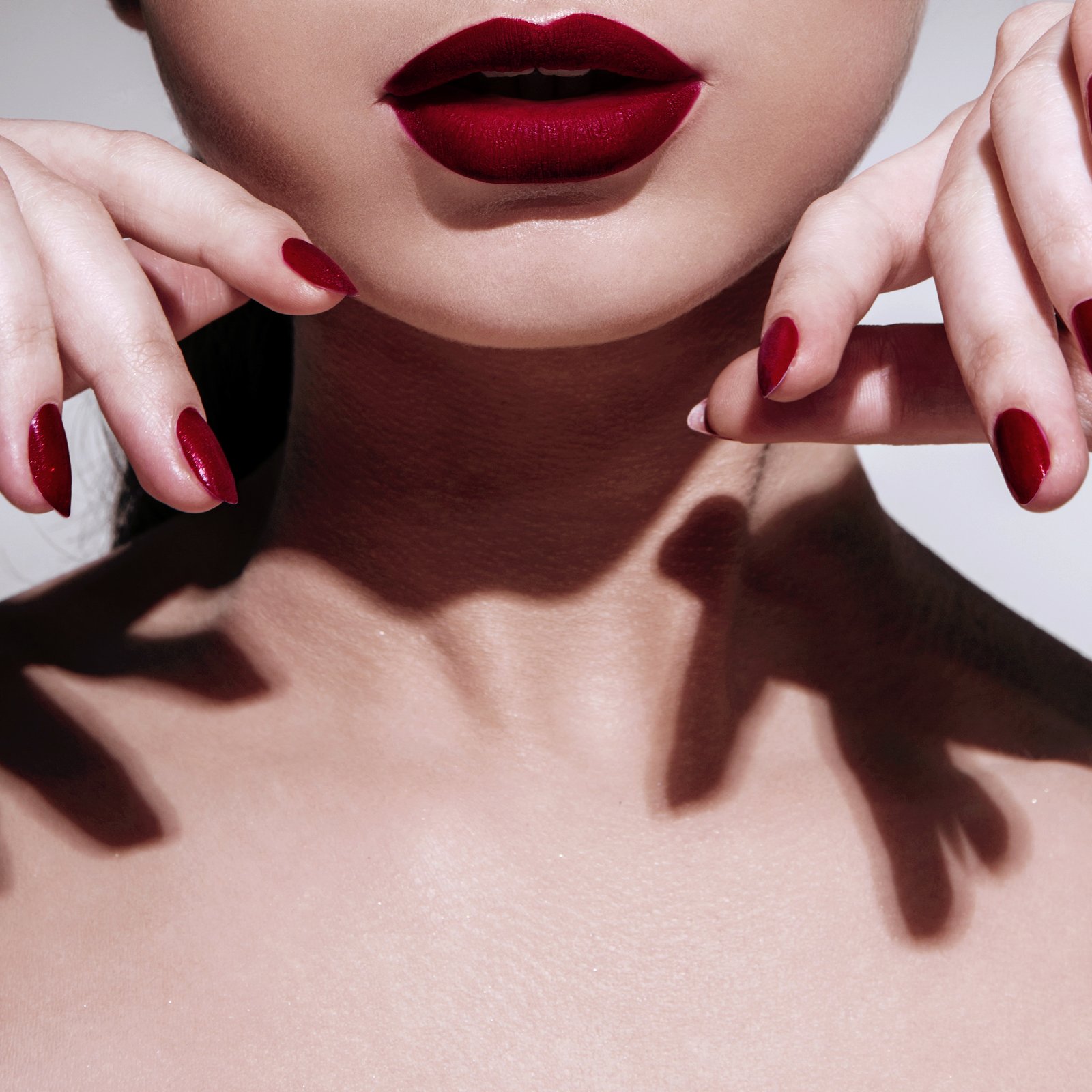
AI-Enhanced Beauty Editing: Celebrating Creative Innovation in Portrait Retouching
I’ve been watching the portrait retouching landscape shift dramatically over the past year, and I’m genuinely excited about where AI-assisted beauty editing is heading. We’re at a fascinating crossroads where traditional retouching techniques meet intelligent automation, creating possibilities that were simply unimaginable just a few years ago.
The Current State of AI in Portrait Work
When we talk about AI-enhanced portraits today, we’re discussing something far more nuanced than simple filter applications. We’re looking at sophisticated algorithms that can intelligently identify skin texture, understand facial geometry, and make enhancement decisions that respect the subject’s natural features while elevating their best qualities.
The beauty of AI retouching lies in its ability to handle repetitive technical work—smoothing skin while preserving texture, balancing lighting across the face, or intelligently adjusting color casts—freeing us up to focus on the artistic vision behind each portrait.
What We’re Seeing in Practice
In my observation, the most compelling AI-enhanced portraits happening right now fall into several categories. First, there are the subtle headshot improvements where AI handles the foundational cleanup work, allowing retouchers to dedicate their expertise to more creative enhancements. Then we have more ambitious transformations where AI helps reconstruct lighting or reimagine color grading in ways that would take hours to achieve manually.
What genuinely impresses me is when photographers and editors use AI as a collaborative tool rather than a replacement. They’re leveraging its strengths—speed, consistency, intelligent analysis—while maintaining complete creative control over the final result.
The Retoucher’s Perspective
As someone deeply embedded in the beauty editing community, I believe the conversation shouldn’t be about AI replacing skilled retouchers. Instead, we should celebrate how these tools are elevating our work. We can spend less time on tedious skin smoothing and more time on the nuanced work that requires human judgment—understanding how to enhance someone’s features authentically or making artistic decisions about color and contrast.
Looking Forward
I’m genuinely curious to see how our community continues adapting to these technological shifts. The photographers and editors who thrive will likely be those who view AI as another tool in their creative toolkit, much like we’ve integrated new brushes, plugins, and software over the years.
We’re inviting our community to share their best AI-enhanced portrait work and retouching experiments. Your insights and creative approaches help us all understand the exciting possibilities ahead.
Comments (1)
The before and after really sells it. Incredible difference.
Leave a Comment