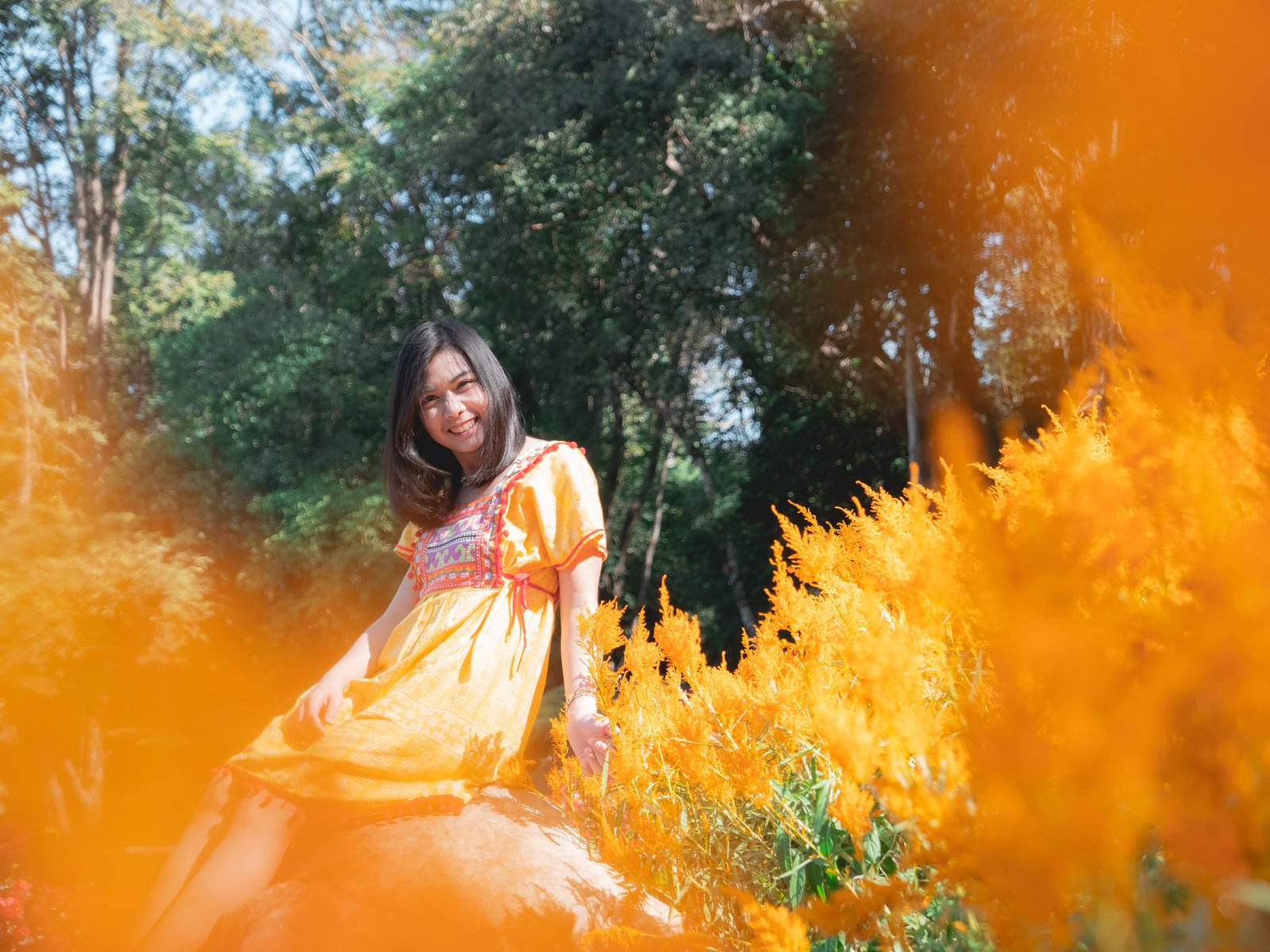
Why Composition Matters in Portrait Retouching
When we think about composition, our minds often drift toward sweeping vistas and dramatic natural landscapes. But I’ve discovered something fascinating working with beauty editors and portrait retouchers: the fundamental principles that make landscapes compelling are equally powerful when applied to facial retouching and beauty work.
The difference? Instead of arranging elements across a canvas, we’re orchestrating features within a face. Instead of guiding the viewer’s eye through a scene, we’re drawing attention to the subject’s most flattering characteristics.
The Rule of Thirds Gets Personal
We all know the rule of thirds—that invisible grid that helps us position subjects effectively. In portrait retouching, I’ve seen this principle work beautifully when we think about eye placement and facial balance. When we’re refining a headshot or beauty portrait, positioning the subject’s eyes along the upper third grid lines creates instant visual interest and draws viewers directly to the gaze.
But here’s where it gets interesting: this rule isn’t absolute. Sometimes breaking it intentionally—perhaps by centering the eyes or shifting them asymmetrically—creates a more compelling, editorial quality that modern beauty photography demands.
Balance and Symmetry in Retouching
Landscape photographers use balance to create harmony. We apply the same principle when retouching portraits, but with nuance. Rather than creating perfect symmetry (which can look unnatural), we aim for equilibrium. This might mean subtly adjusting skin tones to create visual weight, or refining facial features so they feel harmonious rather than identical.
When I’m working with a retouching team, we constantly ask: does the face feel balanced? Do the features support each other? These compositional questions guide our editing decisions as much as technical skills do.
Layering Depth in Beauty Editing
Another principle I find invaluable is depth. Landscape photographers create dimension through foreground, middle ground, and background elements. In portrait retouching, we achieve depth through thoughtful use of:
- Skin texture variation that suggests dimensionality
- Strategic highlighting and contouring that creates visual layers
- Careful attention to eye depth through judicious brightening and sharpening
The Art of Intentional Editing
What resonates most with me is how both landscape and portrait work share a fundamental truth: the best compositions—whether across mountains or across a face—feel purposeful. We’re not simply following rules; we’re using them as a foundation to create something meaningful.
When we understand composition deeply, our retouching becomes storytelling. We’re guiding viewers not just to look at a face, but to connect with it.
Comments
Leave a Comment