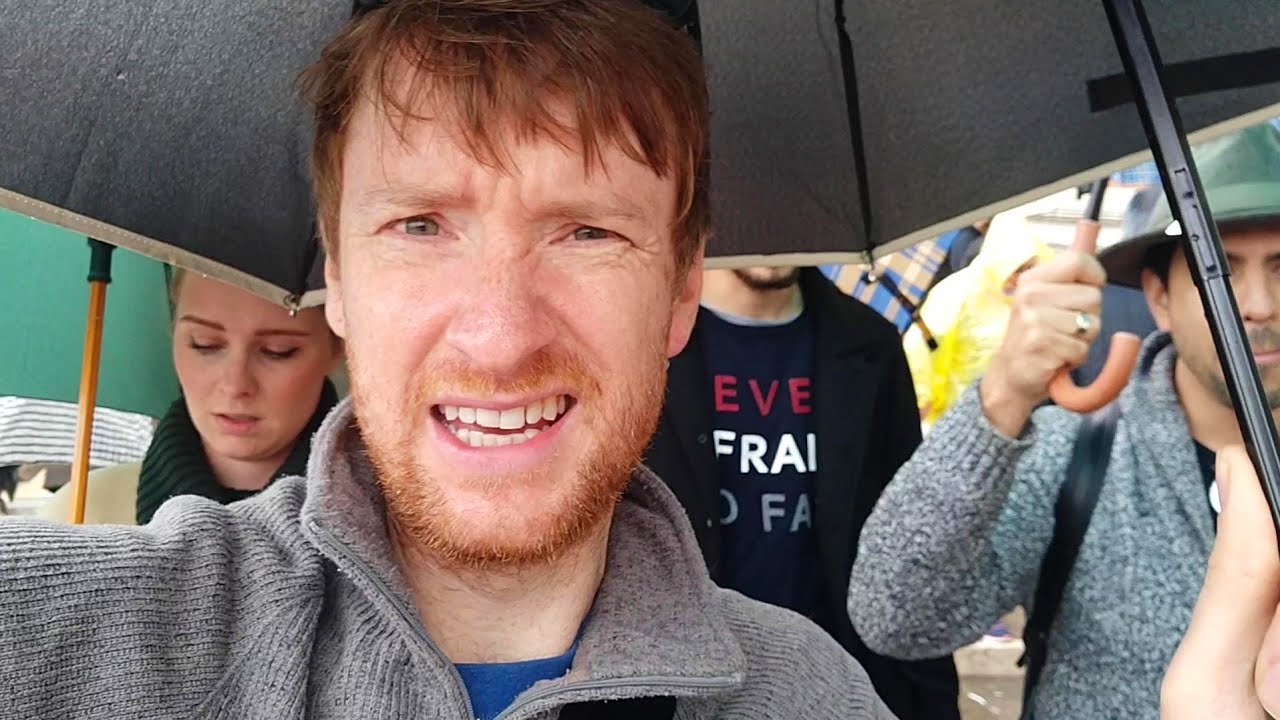
There’s a particular kind of exhaustion that doesn’t show up in your gear bag or your hard drive. It lives somewhere behind your eyes around week three of a dry spell, when you’re staring at your calendar and realizing you’ve promised yourself you’d create something today, and you have absolutely nothing to say. I know that feeling well. It’s part of why I left wedding photography. Sixty-hour weekends will teach you a lot about your limits, and eventually I hit mine hard enough that I had to rebuild my entire relationship with making images from the ground up.
So when I came across Watch the full tutorial on YouTube this Q&A from landscape photographer Thomas Heaton, filmed on a rainy day in Venice while he was on holiday and openly admitting he hadn’t prepared anything, I felt a strange kind of relief. Here is someone whose work I genuinely admire, sitting in a beautiful city, answering real questions from his audience with no polish and no pretense. The whole video is a masterclass in something we don’t talk about enough in creative fields: the honest, unglamorous rhythm of sustaining a practice over time. Whether you shoot landscapes or spend your days retouching beauty campaigns, the pressures Heaton describes map directly onto our work in ways worth unpacking.
Step 1: Acknowledge That Burnout Is Part of the Job, Not a Sign You’re Failing
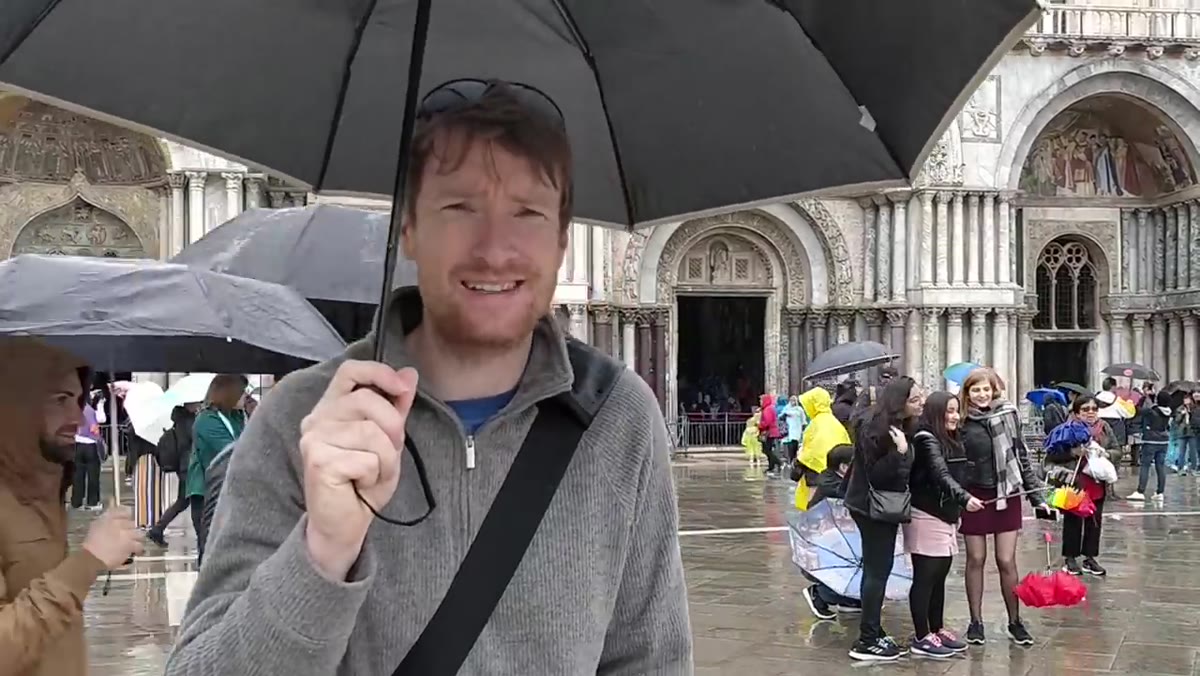 Heaton answering burnout question beside a Venice canal
Heaton is refreshingly direct when a viewer asks whether the pressure to publish twice a week ever leads to burnout. His answer is yes, and he doesn’t dress it up. He describes the cycle most of us know: the high periods when you’re traveling, shooting well, and creating content feels effortless, and then the down periods when conditions aren’t cooperating, life is pulling in other directions, and the schedule still demands something from you. The result is work you’re not proud of, pushed out because the deadline exists.
Heaton answering burnout question beside a Venice canal
Heaton is refreshingly direct when a viewer asks whether the pressure to publish twice a week ever leads to burnout. His answer is yes, and he doesn’t dress it up. He describes the cycle most of us know: the high periods when you’re traveling, shooting well, and creating content feels effortless, and then the down periods when conditions aren’t cooperating, life is pulling in other directions, and the schedule still demands something from you. The result is work you’re not proud of, pushed out because the deadline exists.
For retouchers, this cycle is just as real. Client deadlines don’t care that you’ve been staring at the same skin texture for four hours and your eyes have stopped working. The first step Heaton models, and it’s genuinely useful, is simply naming the pattern rather than powering through it in silence. When we can see the cycle clearly, we can start to plan around it instead of being ambushed by it every time.
Step 2: Build Formats That Protect Your Energy During Low Periods
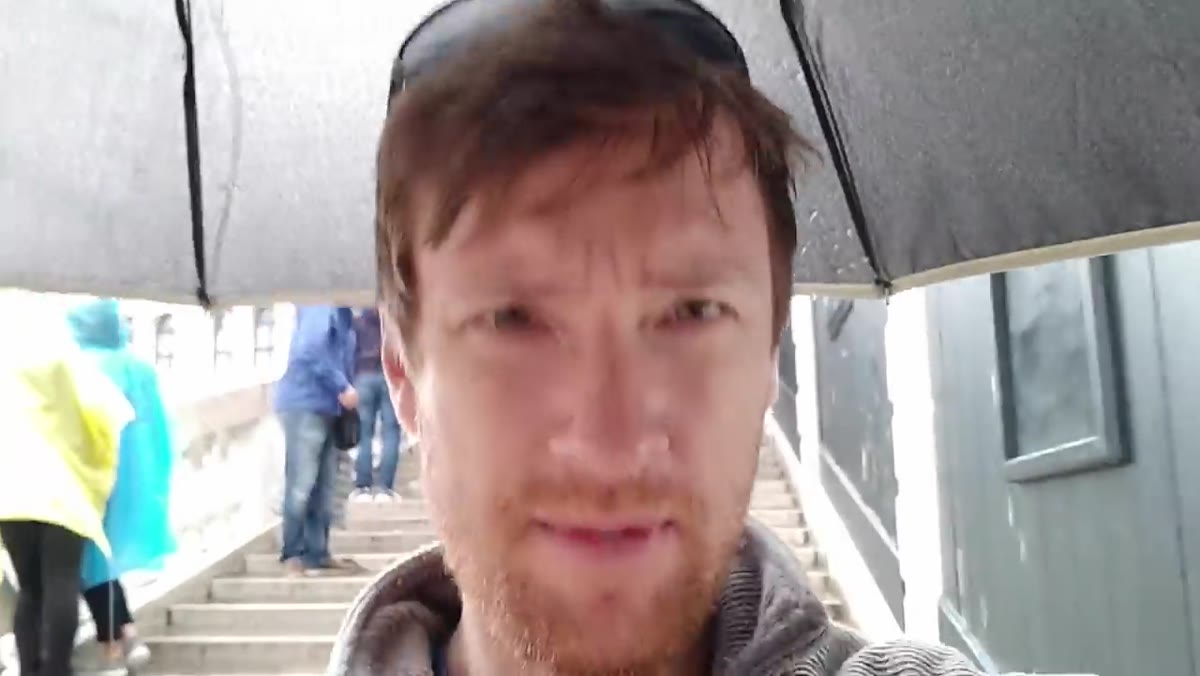 Heaton explaining one-take video format and its practical benefits
One of the most practical things Heaton shares is how his one-take videos were born not from creative inspiration but from necessity. During a workshop in Patagonia, he had no time to film proper b-roll or sit down for editing. So he started recording himself talking directly to camera, no cuts, no music, no post-processing, just the idea and the delivery. What surprised him was that audiences responded well. The rawness read as authenticity.
Heaton explaining one-take video format and its practical benefits
One of the most practical things Heaton shares is how his one-take videos were born not from creative inspiration but from necessity. During a workshop in Patagonia, he had no time to film proper b-roll or sit down for editing. So he started recording himself talking directly to camera, no cuts, no music, no post-processing, just the idea and the delivery. What surprised him was that audiences responded well. The rawness read as authenticity.
The lesson for retouching work is worth sitting with. During my own low periods, I’ve found that the equivalent of the one-take video is the process post, documenting what I’m actually doing on a job rather than constructing a polished before-and-after showcase. It requires almost no extra energy, it’s honest, and it often connects more deeply with other retouchers than anything I spent three hours crafting. The format you reach for when you’re depleted can become one of your most effective tools.
Step 3: Identify the Specific Friction Points That Drain You
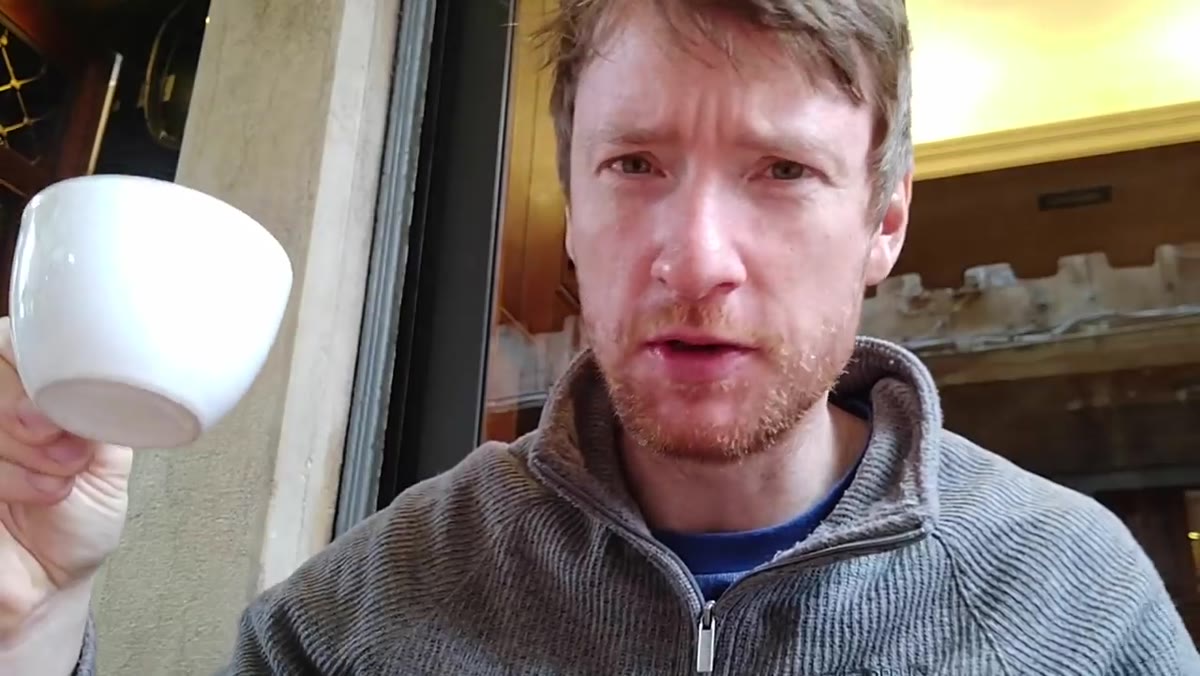 Heaton describing the frustration of fences blocking access to locations
When asked about the most frustrating part of travel photography, Heaton doesn’t give a vague answer. He points to fences. Specifically, driving through Argentina surrounded by extraordinary landscape that was entirely fenced off and inaccessible. He knew exactly where his energy was being lost.
Heaton describing the frustration of fences blocking access to locations
When asked about the most frustrating part of travel photography, Heaton doesn’t give a vague answer. He points to fences. Specifically, driving through Argentina surrounded by extraordinary landscape that was entirely fenced off and inaccessible. He knew exactly where his energy was being lost.
This kind of specificity matters. Vague frustration is hard to solve. Specific friction is actionable. For me, the thing that used to drain me fastest was client feedback rounds on skin retouching that always circled back to the same complaint: too smooth, too plastic. Once I identified that as my recurring friction point, I could work on it directly, building a vocabulary with clients before the job started rather than discovering the mismatch on revision three. Name your fences. They’re usually more specific than “I’m just burned out.”
Step 4: Use Positive Reframing Without Tipping Into Delusion
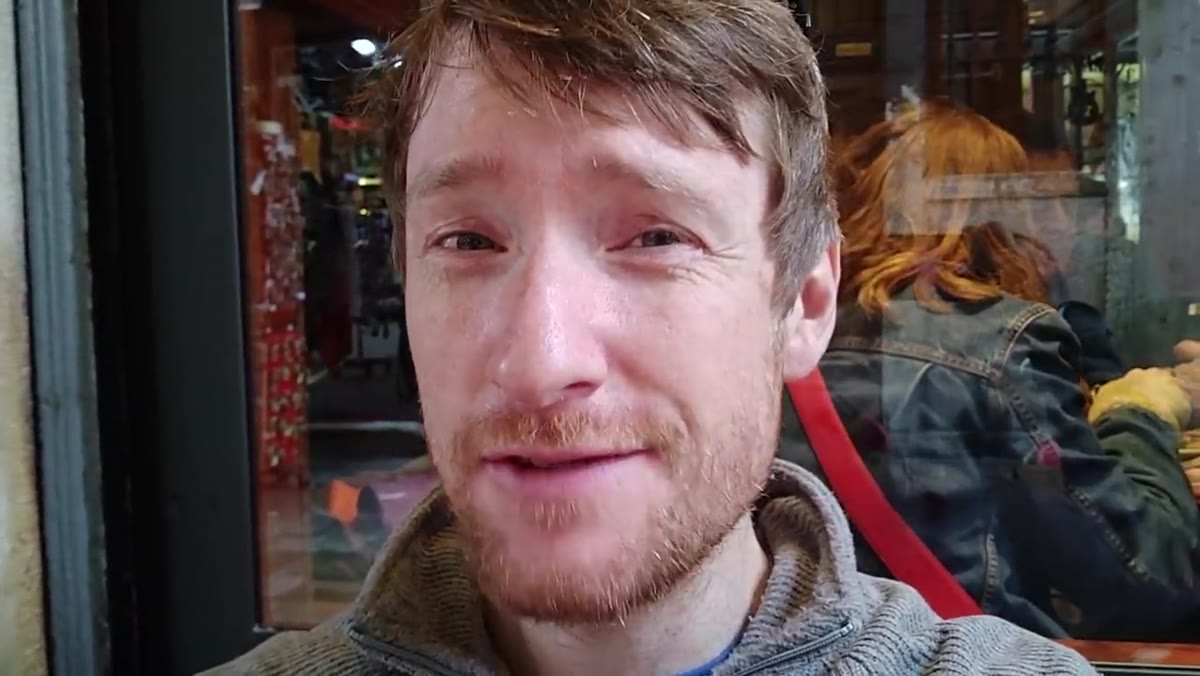 Heaton laughing about positive affirmations and the landscape being gorgeous
Heaton has a light moment answering a question about whether telling yourself the landscape is gorgeous every day will make you a better photographer. His answer is yes, and he leans into the idea of positive affirmations with enough humor that it doesn’t feel like self-help filler. The underlying point is real: the internal story you tell yourself before you pick up a camera shapes what you’re capable of seeing when you get there.
Heaton laughing about positive affirmations and the landscape being gorgeous
Heaton has a light moment answering a question about whether telling yourself the landscape is gorgeous every day will make you a better photographer. His answer is yes, and he leans into the idea of positive affirmations with enough humor that it doesn’t feel like self-help filler. The underlying point is real: the internal story you tell yourself before you pick up a camera shapes what you’re capable of seeing when you get there.
In retouching, this plays out in how we approach a difficult file. Walking into a challenging edit convinced it’s going to be a disaster usually produces exactly that. Walking in curious about what’s possible, even if the light was poor or the brief is vague, tends to produce more interesting solutions. The reframe doesn’t have to be aggressive positivity. It just has to be open rather than closed.
Step 5: Say Yes to Creative Experiments That Genuinely Interest You
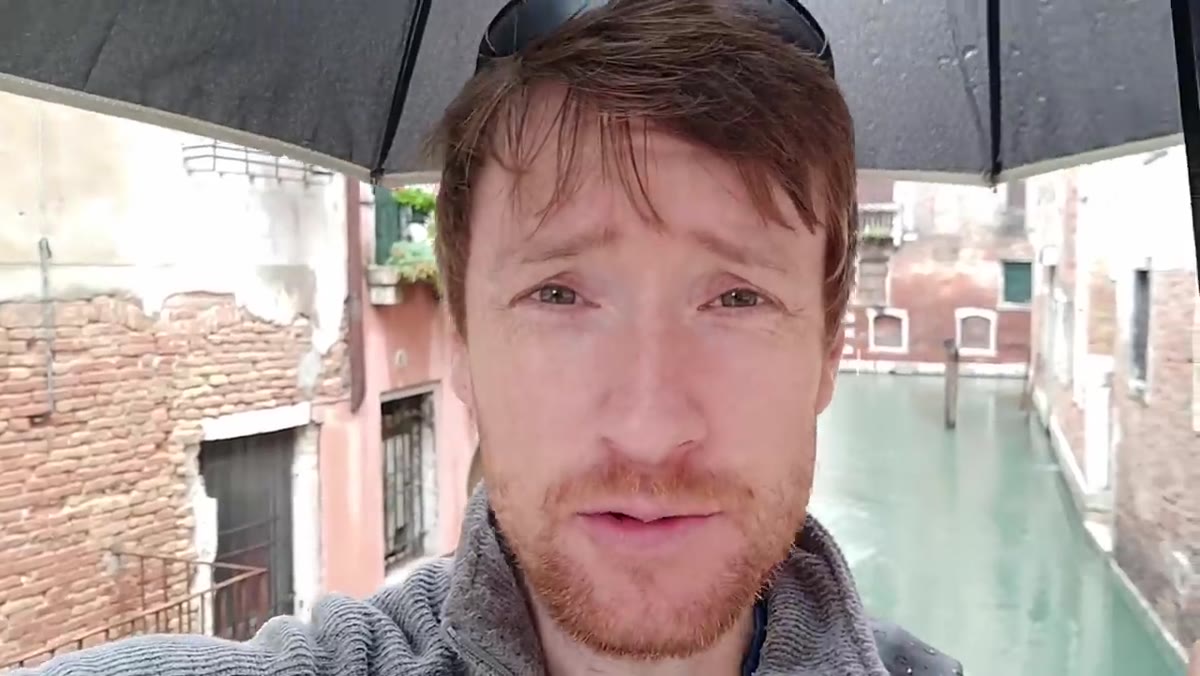 Heaton discussing intentional camera movement and his enjoyment of the process
The final beat of the video that stuck with me is Heaton’s response to a question about intentional camera movement, the technique of deliberately moving the camera during a long exposure to create painterly blur. He’s tried it, had mixed results, but every single time he’s enjoyed the process. He uses that as his signal to do more of it.
Heaton discussing intentional camera movement and his enjoyment of the process
The final beat of the video that stuck with me is Heaton’s response to a question about intentional camera movement, the technique of deliberately moving the camera during a long exposure to create painterly blur. He’s tried it, had mixed results, but every single time he’s enjoyed the process. He uses that as his signal to do more of it.
We don’t always get permission to follow the things we find genuinely interesting. Deadlines and client expectations tend to narrow the path. But Heaton’s point is that the enjoyment of the process is itself data worth acting on, even if the output isn’t portfolio-ready. I keep a folder of experimental retouching work I’ve done purely for myself, things nobody will ever see, and that folder has taught me more than most of the paid jobs I’ve delivered.
What I’d Add From My Own Experience
The burnout cycle Heaton describes has one variable he doesn’t fully address, and it’s the one that bit me hardest: the lag between burning out and realizing it. By the time I knew I was in trouble with wedding photography, I was already six months deep into producing work I didn’t believe in. The practice that’s helped me most is building a weekly check-in, genuinely honest, just a few sentences to myself about whether the work I produced that week felt alive or mechanical. It’s not glamorous. Neither is burning out.
The single thing worth carrying away from Heaton’s video is this: sustainability in creative work requires honesty about what the work actually costs you, not just gratitude that you get to do it. Both things can be true at once. Watch the full conversation here and notice how much more settled he seems once he stops performing enthusiasm and just talks. Watch the full tutorial on YouTube
Comments (2)
Never thought of approaching it this way. Really creative.
Great article! I actually covered something related on my site — the color grading angle is really complementary to this.
Leave a Comment