There is a specific kind of exhaustion that creeps up on creative people slowly, then all at once. For me, it showed up after my third consecutive 60-hour wedding weekend. I remember sitting in front of my editing queue on a Monday morning, looking at 1,800 raw files, and feeling absolutely nothing. Not dread, not excitement. Just nothing. That hollow feeling was the first real signal that something needed to change, and it eventually pushed me away from weddings entirely and toward the retouching work I do now. But burnout doesn’t just visit wedding photographers. It visits wildlife shooters, portrait photographers, hobbyists, and seasoned pros alike, and it tends to hit hardest the people who once cared the most.
In this Tony and Chelsea Northrup tutorial, Watch the full tutorial on YouTube, Tony opens with a disarmingly honest admission: he’s been struggling to get out of bed to shoot. He hasn’t watched a sunrise in a while, and for a photographer, that’s a meaningful detail. What follows isn’t a generic pep talk. It’s a structured breakdown of the actual psychological and practical reasons photographers burn out, paired with specific, actionable solutions. I’m going to walk through the framework they lay out, step by step, because this tutorial deserves more than a summary. It deserves a proper unpacking.
Step 1: Recognize the Diminishing Returns of the Learning Curve
 Tony explaining the photography learning curve slowing down
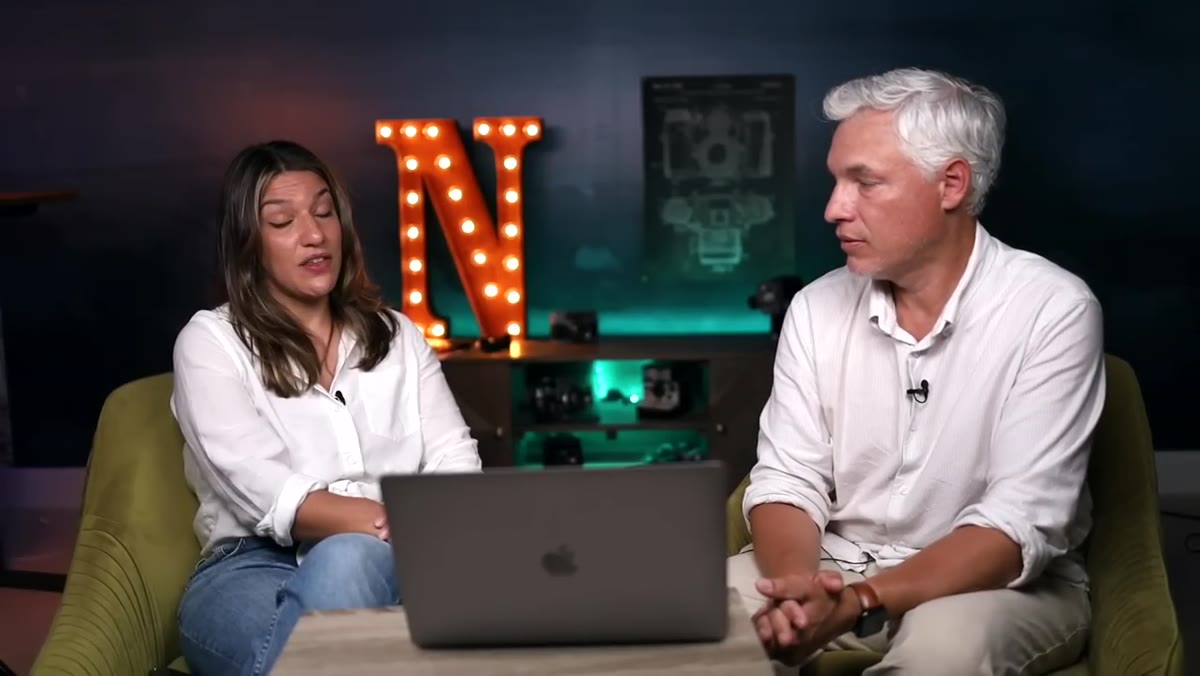
The first reason Tony identifies for burnout is one that rarely gets named directly: the early phase of learning photography produces fast, visible progress, and that progress is genuinely addictive. In year one, everything you shoot feels like a breakthrough. You figure out exposure, you nail your first golden-hour portrait, you get a sharp bird in flight, and every outing adds something measurable to your skill set.
Tony explaining the photography learning curve slowing down
The first reason Tony identifies for burnout is one that rarely gets named directly: the early phase of learning photography produces fast, visible progress, and that progress is genuinely addictive. In year one, everything you shoot feels like a breakthrough. You figure out exposure, you nail your first golden-hour portrait, you get a sharp bird in flight, and every outing adds something measurable to your skill set.
The problem is that this rate of improvement cannot hold. After a certain point, the gains get smaller and slower, even though the work gets harder. Your eye develops faster than your ability to execute, which means you start seeing the gap between what you captured and what you imagined. That gap is discouraging, and if you don’t understand why it exists, it’s easy to read it as failure rather than growth. Naming this dynamic is the first step toward defusing it.
Step 2: Understand the Role of the Dunning-Kruger Effect in Early Enthusiasm
 Tony discussing how beginners overestimate their progress
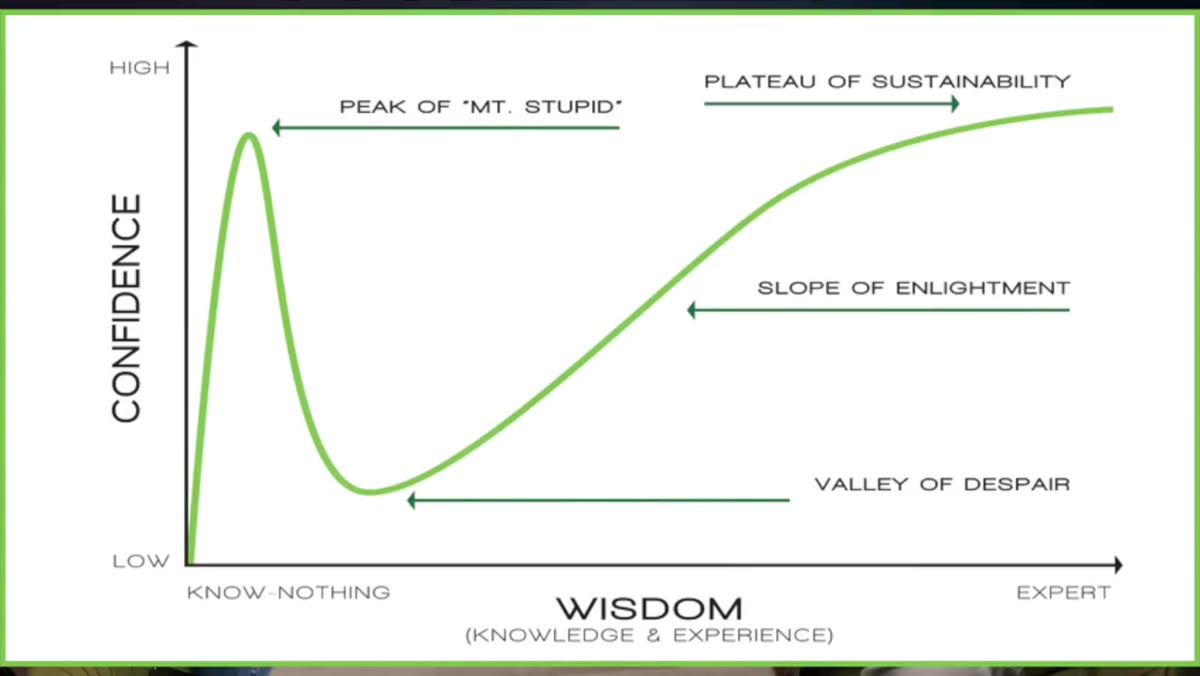
Tony brings in the Dunning-Kruger effect here, and it’s worth sitting with. Early photographers often feel the most confident because they genuinely don’t know enough yet to see what’s missing. A beginner looks at a slightly soft, poorly lit flower shot and feels proud. An experienced photographer looks at the same image and immediately catalogs six things they would fix.
Tony discussing how beginners overestimate their progress
Tony brings in the Dunning-Kruger effect here, and it’s worth sitting with. Early photographers often feel the most confident because they genuinely don’t know enough yet to see what’s missing. A beginner looks at a slightly soft, poorly lit flower shot and feels proud. An experienced photographer looks at the same image and immediately catalogs six things they would fix.
This isn’t cynicism. It’s developed taste. But developed taste, without a corresponding mindset shift, can make shooting feel like a constant exercise in falling short. We start comparing our current work against a combination of our own best-ever shots, the highlights of photographers we admire, and a version of conditions that were partially luck. That is an unfair and exhausting standard to hold yourself to every single time you pick up a camera.
Step 3: Stop Competing Against Your Own Highlight Reel
 Tony talking about portfolio shots per year slowing down
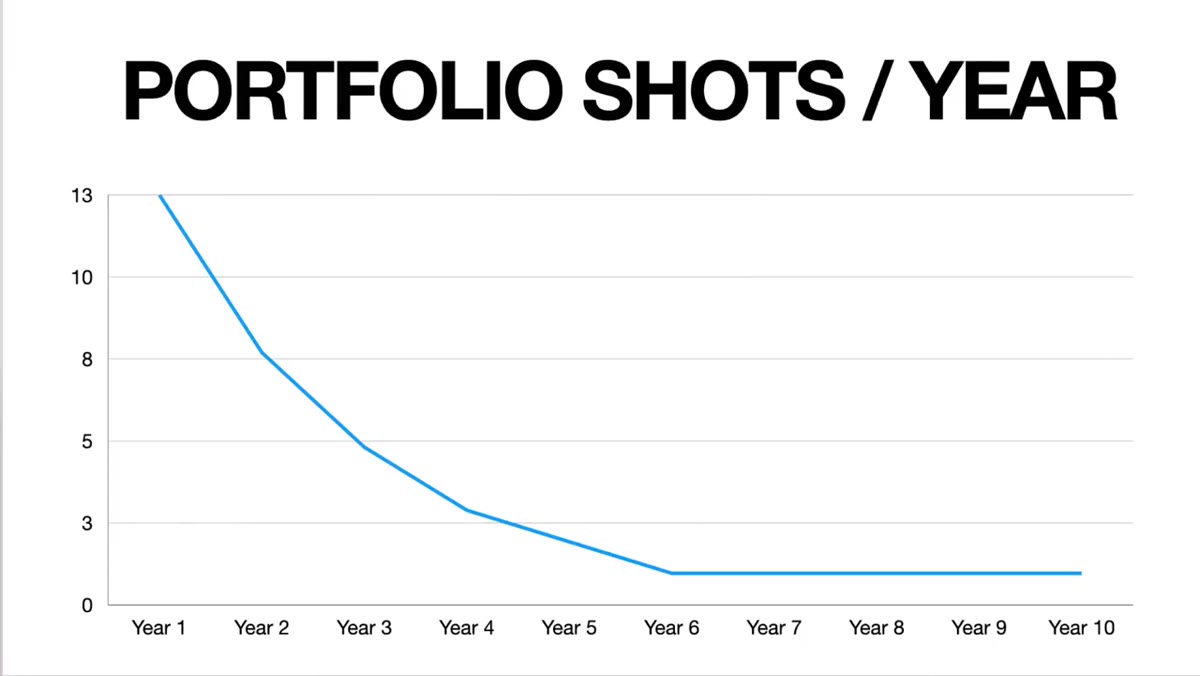
Tony makes a point here that I found genuinely clarifying. He mentions that after 25 years of shooting, he adds roughly one portfolio-worthy image per year. Not because he’s lost his skill, but because his portfolio already contains images that required both technical ability and extraordinary luck, and those conditions don’t repeat on demand.
Tony talking about portfolio shots per year slowing down
Tony makes a point here that I found genuinely clarifying. He mentions that after 25 years of shooting, he adds roughly one portfolio-worthy image per year. Not because he’s lost his skill, but because his portfolio already contains images that required both technical ability and extraordinary luck, and those conditions don’t repeat on demand.
The practical takeaway is this: stop measuring each outing against your personal best. A session that doesn’t produce a portfolio shot is not a failed session. It might be a maintenance session, a practice session, or just a day when conditions weren’t exceptional. Shifting the success metric away from “did I get the shot” and toward “did I show up and engage” removes a significant source of pressure.
Step 4: Acknowledge When a New Hobby’s Learning Curve Is Pulling You Away
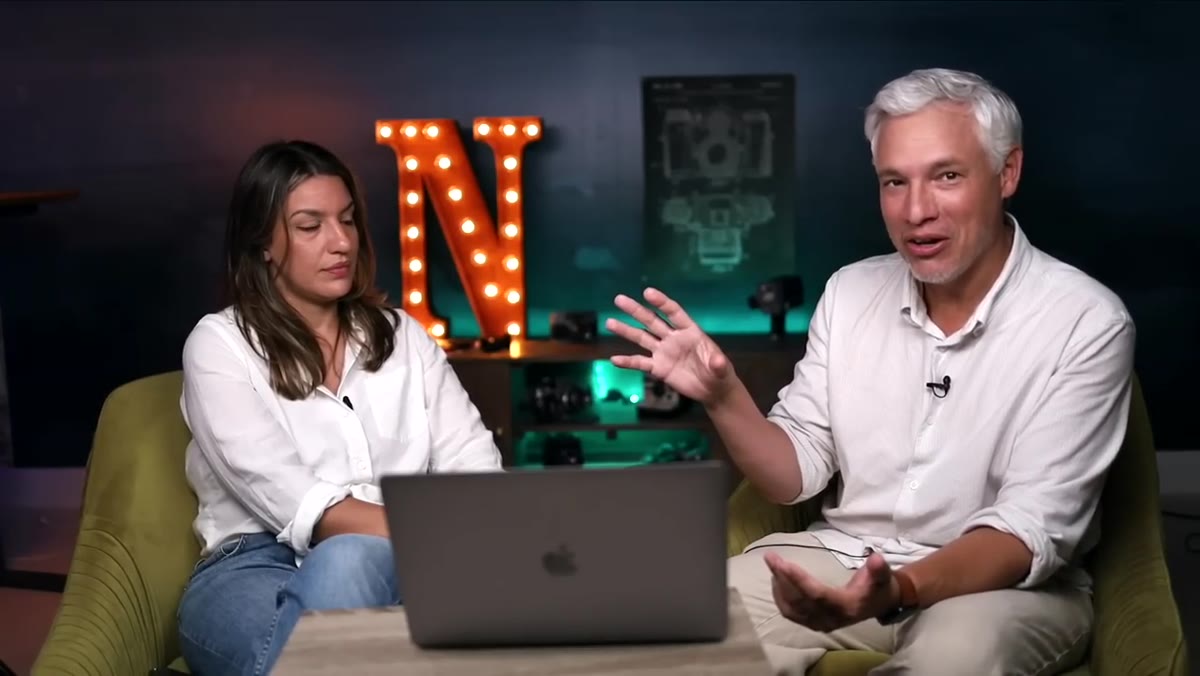 Chelsea mentioning the appeal of starting something new
Chelsea identifies something that photographers rarely admit to themselves: the pull of a brand-new skill is partly about the speed of early returns, not necessarily the craft itself. When you start baking, or pick up a guitar, or try watercolor for the first time, you’re back in that early steep part of the learning curve where progress is fast and obvious. That feeling is genuinely rewarding, and there’s nothing wrong with enjoying it.
Chelsea mentioning the appeal of starting something new
Chelsea identifies something that photographers rarely admit to themselves: the pull of a brand-new skill is partly about the speed of early returns, not necessarily the craft itself. When you start baking, or pick up a guitar, or try watercolor for the first time, you’re back in that early steep part of the learning curve where progress is fast and obvious. That feeling is genuinely rewarding, and there’s nothing wrong with enjoying it.
The issue is when we misread that pull as evidence that photography is the problem. Often, the problem is that we’ve been in a plateau phase long enough that we’ve forgotten what engaged learning in photography actually feels like. The solution isn’t to abandon the craft. It’s to find a corner of it that still has that early-curve energy, whether that’s a new genre, a new technical challenge, or shooting in conditions you’ve never tried before.
Step 5: Reintroduce Constraints and Specific Challenges
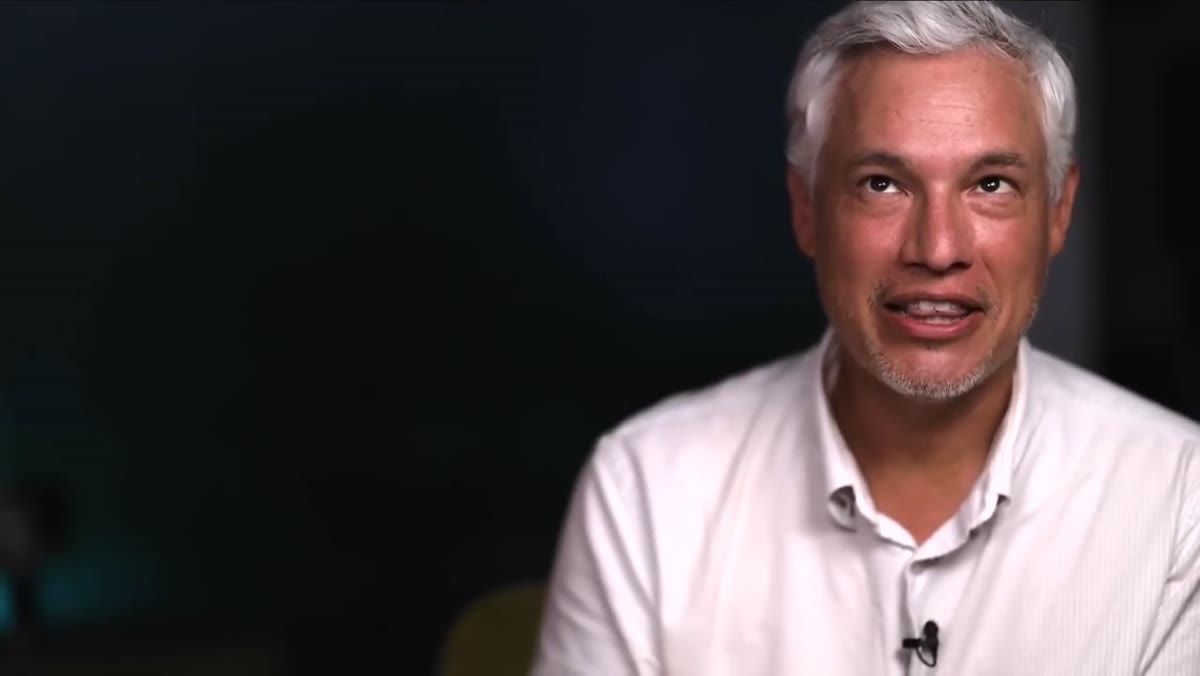 Tony describing how new goals can renew motivation
One of the most practical pieces of advice in the tutorial is the idea of using intentional constraints to manufacture the feeling of progress again. This might mean committing to shooting only in one focal length for a month, focusing entirely on a genre you’ve never tried, or setting a project goal that has nothing to do with producing a portfolio image.
Tony describing how new goals can renew motivation
One of the most practical pieces of advice in the tutorial is the idea of using intentional constraints to manufacture the feeling of progress again. This might mean committing to shooting only in one focal length for a month, focusing entirely on a genre you’ve never tried, or setting a project goal that has nothing to do with producing a portfolio image.
Constraints work because they reframe what success looks like. Instead of chasing the perfect wildlife shot in open-ended conditions, you’re asking: can I capture compelling environmental portraits this month? That’s a learnable, completable challenge, and completing it produces the same satisfaction that drove you in year one.
From My Own Experience: Burnout Often Has an Upstream Cause
Everything Tony and Chelsea cover applies directly to photography, but I’d add one layer from my own path through burnout. Sometimes the exhaustion isn’t really about photography at all. For me, it was about unsustainable working conditions that I had stopped questioning. I wasn’t burned out on the craft. I was burned out on the business model I had wrapped around it.
Before trying to reignite your creative spark, it’s worth asking what specifically feels heavy. Is it the shooting itself, or the pressure around the shooting? Is it the editing workflow, the client communication, the social media posting, the comparison spiral? Identifying the actual source matters, because the fix for workflow exhaustion is different from the fix for creative stagnation. We sometimes treat burnout as a single condition when it’s actually several different problems wearing the same coat.
The single most important idea in this tutorial is that burnout is not a character flaw or a sign you’ve chosen the wrong hobby. It is a predictable consequence of certain conditions, and most of those conditions can be adjusted. Understanding why it happens is more than half the work.
Watch the full tutorial on YouTube to hear Tony and Chelsea work through these ideas in their own words, including the parts where they turn the lens on each other.
Comments (1)
Finally someone explains this in a way that actually makes sense.
Leave a Comment