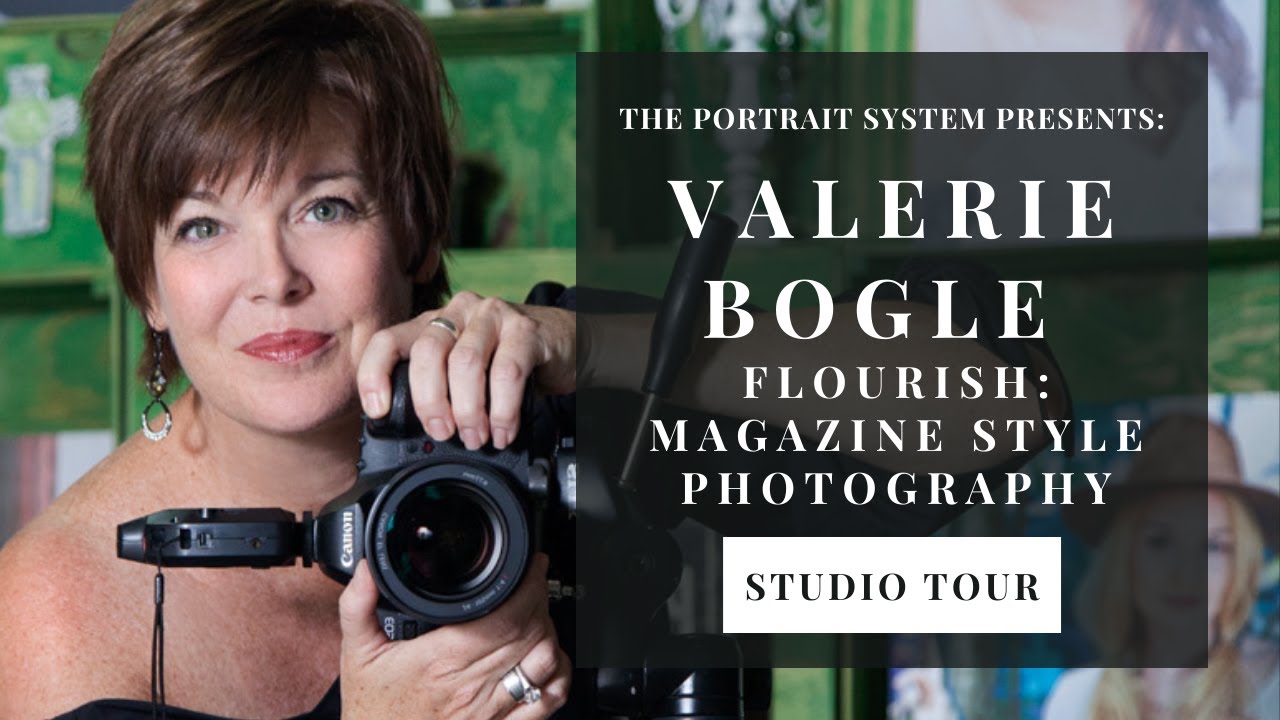
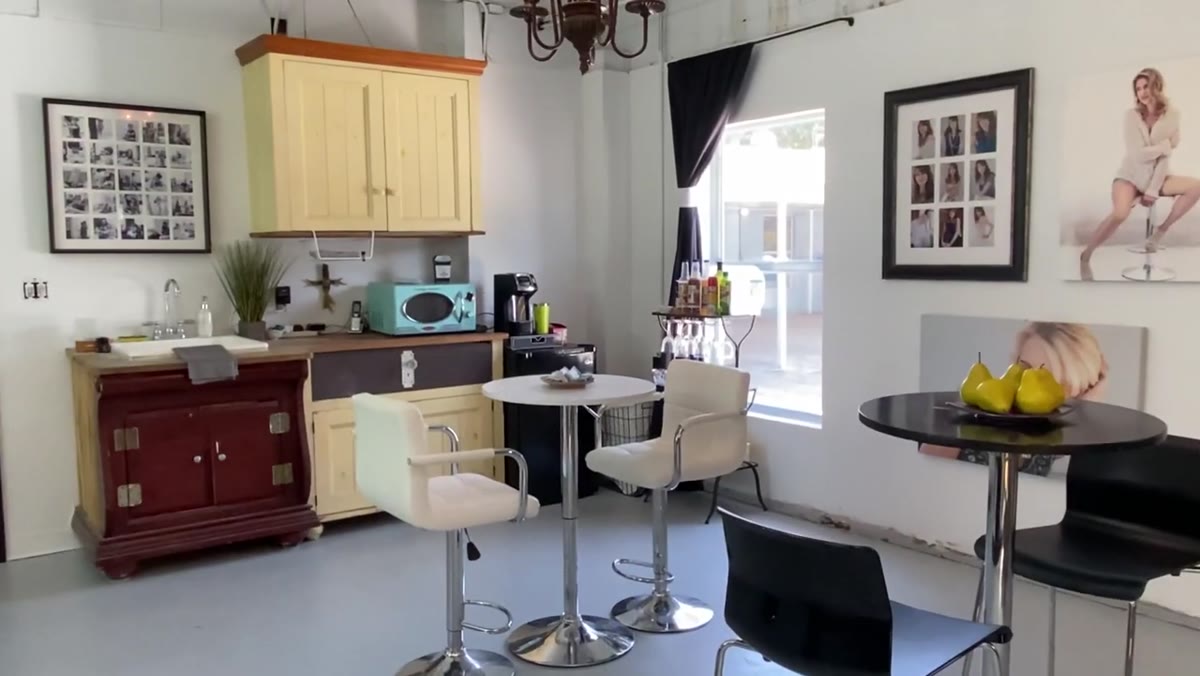
There’s a particular kind of client who walks into a beauty shoot convinced the camera will confirm every bad thing she’s ever believed about herself. I’ve worked with enough of them, on the post-processing side at least, to know that what happens before the shutter clicks matters just as much as what happens in Photoshop afterward. That’s why a studio tour like the one Valerie Bogle gives in Watch the full tutorial on YouTube hit me differently than a standard lighting breakdown or gear review. Valerie is the owner of Flourish Magazine Style Photography in St. Petersburg, Florida, and in this The Portrait System feature she walks through not just her physical space, but the entire philosophy that makes her images work.
What struck me most is how deliberately she has built her studio around a specific type of client: the professional woman who needs both beauty photography and personal branding imagery. That dual focus, beauty and branding together, shapes every decision she makes about her space, her workflow, and the way she directs people in front of the lens. For those of us on the retouching side, understanding that intention changes how we approach the edit. When you know the final image is meant to help someone land a client or step back into their own confidence, the work carries more weight. You stop chasing technical perfection for its own sake and start asking what this person needs to see in themselves.
Valerie’s background as an advertising art director before becoming a photographer also explains why her images read so cleanly. She spent years hiring talent, scouting locations, and directing high-budget shoots without ever being the one behind the camera. By the time she picked up the camera herself, she already understood composition, client management, and visual storytelling from the production side. That foundation shows in how she structures her sessions, and it’s a useful lens for retouchers to borrow.
Step 1: Define Your Client Before You Design Your Space
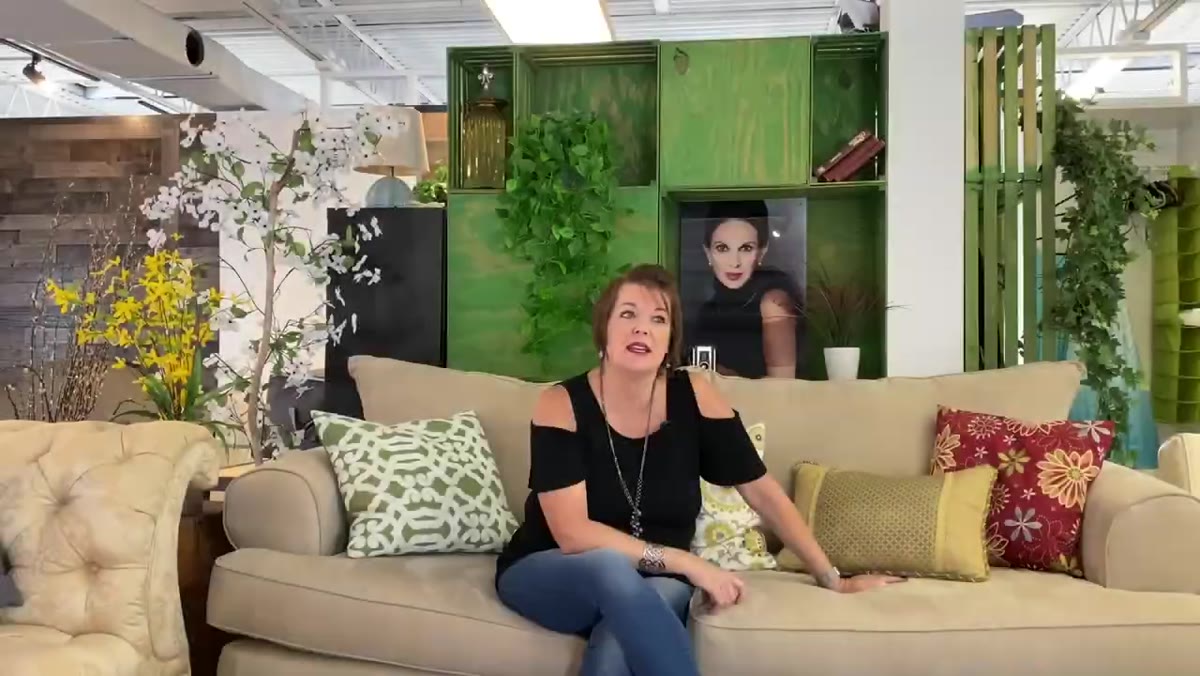 Valerie describing her ideal client as a professional woman
Valerie’s first practical lesson is one most photographers learn backward: she identified her ideal client before building out her studio aesthetic. Her sweet spot is the professional woman, someone who wants images that feel elevated and real at the same time. She packages this as “beauty and branding” and markets it as a single cohesive offering rather than two separate services.
Valerie describing her ideal client as a professional woman
Valerie’s first practical lesson is one most photographers learn backward: she identified her ideal client before building out her studio aesthetic. Her sweet spot is the professional woman, someone who wants images that feel elevated and real at the same time. She packages this as “beauty and branding” and markets it as a single cohesive offering rather than two separate services.
For retouchers working with photographers, this matters. When a shooter has a clear client archetype, the edit brief becomes much more specific. A glamour-forward beauty client wants skin that glows without looking digital. A branding client needs that same polish but with enough naturalness to feel approachable on a LinkedIn banner. Knowing which lane you’re in before you open Lightroom saves a round of revisions.
Step 2: Build Your Origin Story Into Your Client Experience
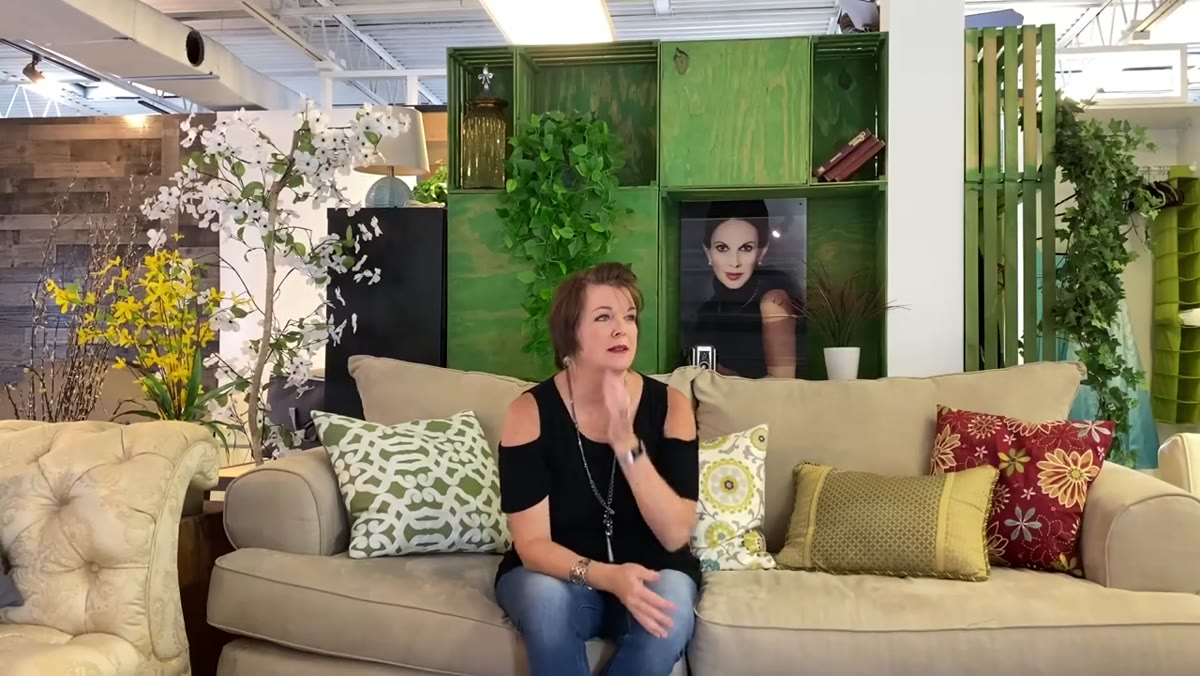 Valerie speaking about her personal experience feeling “ugly and awkward” as a child
Valerie shares something personal here that most photographers would leave off their website: she grew up feeling picked on and unseen, and later discovered through her own modeling work what it felt like to be truly seen by a camera in the right hands. That experience is now baked into how she runs every session.
Valerie speaking about her personal experience feeling “ugly and awkward” as a child
Valerie shares something personal here that most photographers would leave off their website: she grew up feeling picked on and unseen, and later discovered through her own modeling work what it felt like to be truly seen by a camera in the right hands. That experience is now baked into how she runs every session.
This isn’t just brand storytelling. It’s a practical directing tool. When a photographer understands viscerally what it feels like to distrust your own reflection, they direct clients differently. They give more reassurance during posing, they share the back of the camera more freely, and they build in moments designed to shift a client’s self-perception. As a retoucher, when I receive images from photographers who shoot this way, the expressions are different. There’s less guardedness in the face, which means I’m not trying to soften a tense jaw or brighten eyes that are doing too much work.
Step 3: Use Your Art Direction Background to Control Every Variable
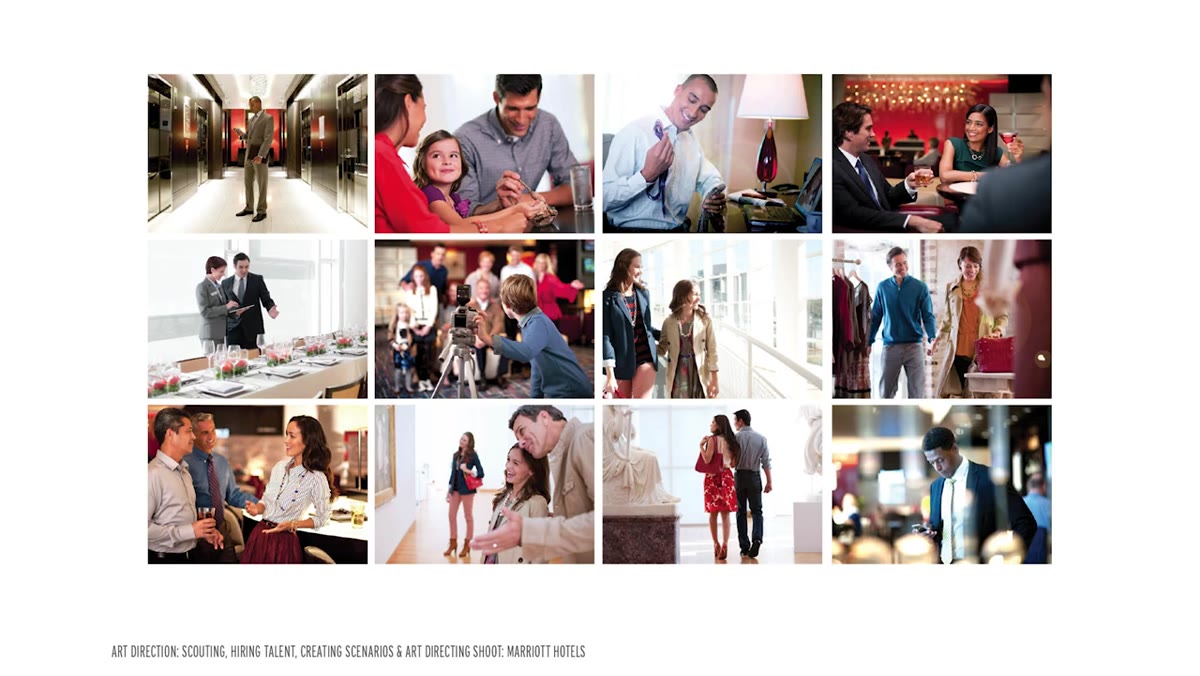 Valerie describing her role as art director on large-scale photo shoots
Because Valerie came up as an art director, she approaches location scouting, talent selection, and set design as seriously as any lighting decision. Her studio in the Warehouse Arts District of St. Petersburg isn’t just a convenient address. It’s a creative environment that signals something to clients before the shoot even begins.
Valerie describing her role as art director on large-scale photo shoots
Because Valerie came up as an art director, she approaches location scouting, talent selection, and set design as seriously as any lighting decision. Her studio in the Warehouse Arts District of St. Petersburg isn’t just a convenient address. It’s a creative environment that signals something to clients before the shoot even begins.
The practical takeaway for photographers is to treat your studio’s visual identity as part of the client experience design, not an afterthought. For retouchers, the lesson is adjacent: the decisions made on set determine the ceiling of what post-processing can achieve. No amount of frequency separation rescues a flat, unintentional background. Great retouching starts with great source material, and great source material starts with someone who thought like an art director before pressing record.
Step 4: Price Your Work to Reflect Transformational Value
 Valerie discussing her average sale before and after refining her approach
Valerie is honest about where she started: average sales around five hundred to seven hundred dollars, driven largely by her own uncertainty about whether clients would pay more. She credits working with Sue Bryce’s educational community as the turning point where she began understanding her work’s actual value.
Valerie discussing her average sale before and after refining her approach
Valerie is honest about where she started: average sales around five hundred to seven hundred dollars, driven largely by her own uncertainty about whether clients would pay more. She credits working with Sue Bryce’s educational community as the turning point where she began understanding her work’s actual value.
The shift wasn’t about raising prices arbitrarily. It was about recognizing that the transformation she was creating for clients, the woman who cried looking at her portrait because she had forgotten she was beautiful, carries a value that has nothing to do with the cost of a print. For retouchers, this reframe is just as useful. We often price by the hour or by the image, when we should be pricing by the outcome: a beauty brand’s campaign that converts, a headshot that gets someone booked, a boudoir album that a woman keeps for decades.
Step 5: Let Client Breakthroughs Become Your Portfolio Strategy
 Valerie recounting a client who said the shoot changed her life
One of the most concrete things Valerie describes is a client who specifically told her that getting professional photographs taken changed the trajectory of her business entirely. People started seeing her differently, she said, once her visual presence matched the quality of her work.
Valerie recounting a client who said the shoot changed her life
One of the most concrete things Valerie describes is a client who specifically told her that getting professional photographs taken changed the trajectory of her business entirely. People started seeing her differently, she said, once her visual presence matched the quality of her work.
This is the kind of outcome that belongs in a photographer’s marketing materials, with client permission, and it’s also the kind of outcome that should inform how a retoucher presents their own work. Before-and-after images are useful, but outcome stories are more powerful. The edit that helped a coach book her first five-figure client is worth more than a technically perfect frequency separation demonstration, at least when it comes to attracting the right work.
A Note From My Own Practice
I’ve edited for photographers across a pretty wide range of styles, from editorial to intimate boudoir, and the shoots that produce the best raw files almost always come from photographers who think like Valerie does: client experience first, technical execution second. Early in my retouching career, I made the mistake of over-processing images from photographers who hadn’t done that groundwork, thinking I could compensate in post. The results looked exactly like what they were: technically polished images of people who didn’t quite trust what they were doing. Retouching can refine an expression, but it cannot create presence. That comes from the relationship built before the shutter opens.
Valerie’s studio tour is a reminder that the best beauty photography is less about equipment and more about the intentional ecosystem you build around your clients. The space, the story, the pricing, the way you direct someone who hasn’t felt beautiful in years: all of it feeds the final image, and all of it feeds the edit that follows.
The single most important thing Valerie demonstrates here is this: knowing exactly who you serve, and why that service matters personally to you, creates a quality of work that no amount of gear or technique can replicate on its own.
Watch the full tutorial on YouTube to see Valerie walk through her full studio setup and hear more about how she built her beauty and branding practice from the ground up.
Comments
Leave a Comment