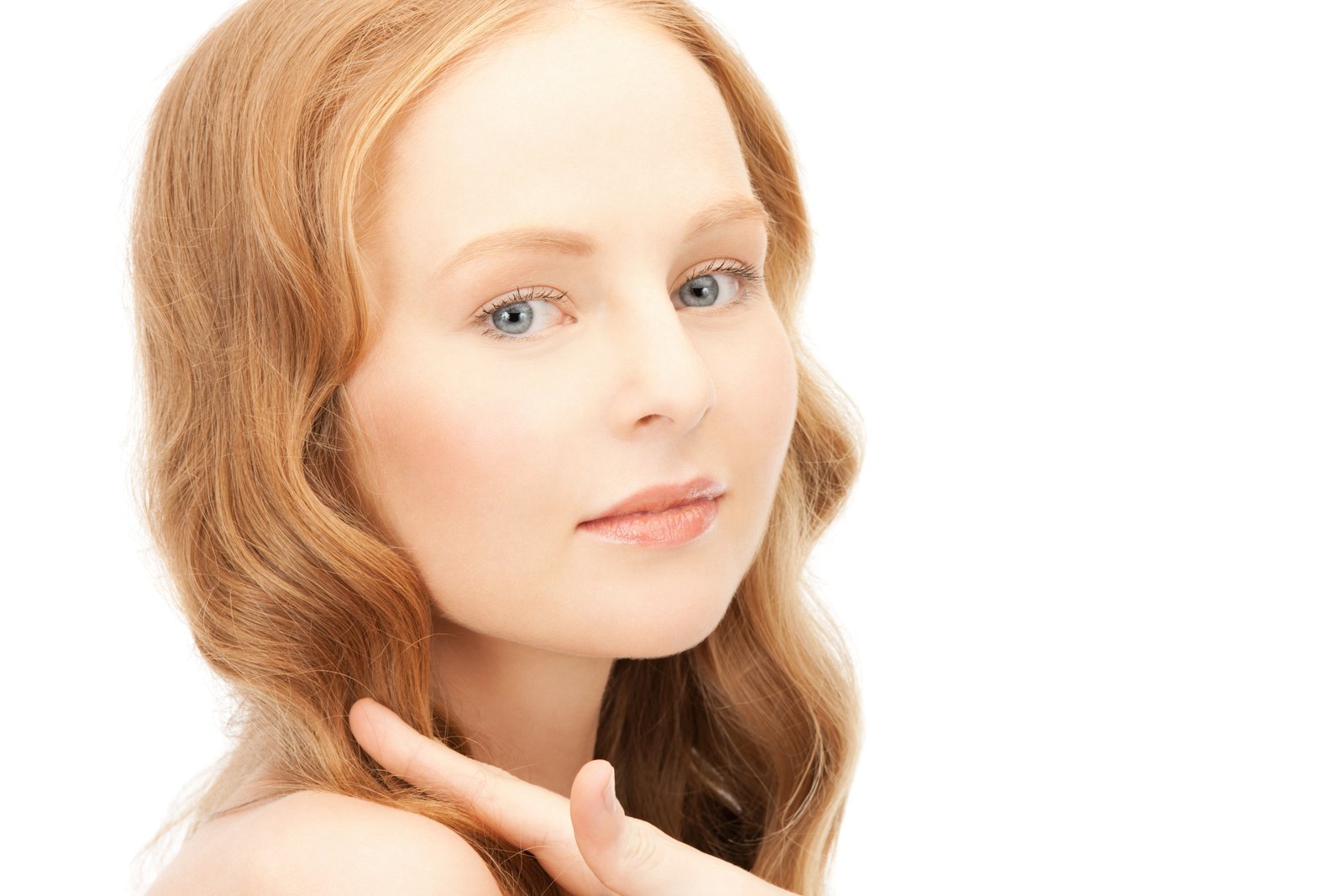
The Future of Beauty Retouching: Are AI Tools Changing Everything?
I’ve been thinking a lot lately about how our industry is evolving. Every week, it seems, a new AI-powered retouching solution lands on the market promising to revolutionize our work. The question I keep asking myself—and I think many of you are too—is whether these tools are genuinely transforming how we approach beauty editing, or if they’re simply adding another layer to our already complex workflows.
My Recent Deep Dive into Modern Retouching Tools
Recently, I decided to spend dedicated time testing some newer retouching solutions to see if they live up to the hype. What I discovered surprised me in some ways and frustrated me in others. These tools are clearly powerful, but they’re not quite the silver bullet we sometimes hope they’ll be.
What caught my attention most was how specialized many of these plugins have become. Instead of one catch-all solution, we’re looking at a suite of different tools—each designed to handle specific retouching challenges we face daily. Frequency separation, dodging and burning, healing, cloning, fabric cleanup, and dust removal are all areas where automation can genuinely help us work faster.
Where These Tools Really Shine
I’ll be honest: the time-saving potential is real. Repetitive tasks like removing dust spots, smoothing fabric textures, and basic healing work can now be delegated to intelligent algorithms. For busy professionals managing high-volume shoots, this is genuinely valuable. We can focus our creative energy on the nuanced decisions that actually require our artistic eye.
The learning curve isn’t as steep as I expected either. Many of these plugins integrate smoothly into our existing workflows, which means we don’t have to completely overhaul how we work.
Where I Still Prefer the Human Touch
Here’s where I’m honest about limitations: these tools sometimes miss the subtlety that separates good retouching from exceptional retouching. The delicate balance of natural-looking skin texture, the precision needed for eye enhancement, and the judgment calls about how much correction is appropriate—these still benefit from human decision-making.
I’ve also noticed that when results are off, they can be really off. There’s often no middle ground between impressive and unusable.
My Verdict
Rather than replacing traditional retouching skills, I see these AI tools as partners in our workflow. They handle the grunt work beautifully, allowing us to concentrate on the artistic decisions that make our portraits truly shine. The most successful approach? Combining what automation does best with the refined skills we’ve developed over our careers.
The future of beauty retouching isn’t about choosing between old and new methods. It’s about being smart enough to use both.
Comments (11)
This is going in my reference folder. Incredibly useful.
Simple but effective. Sometimes that's all you need.
This is fantastic. I've been recommending this approach to my readers too.
Been doing this wrong for years apparently. Thanks for the wake-up call.
Great breakdown. The step-by-step approach really helps.
Really solid breakdown. This pairs perfectly with the lighting work I've been writing about.
This is the kind of content that keeps me coming back.
Really solid breakdown. This pairs perfectly with the compositing work I've been writing about.
Shared this with my photography group. Everyone loved it.
My workflow just got 10x faster. Not even kidding.
Just used this on a wedding shoot edit. Client was thrilled.
Leave a Comment