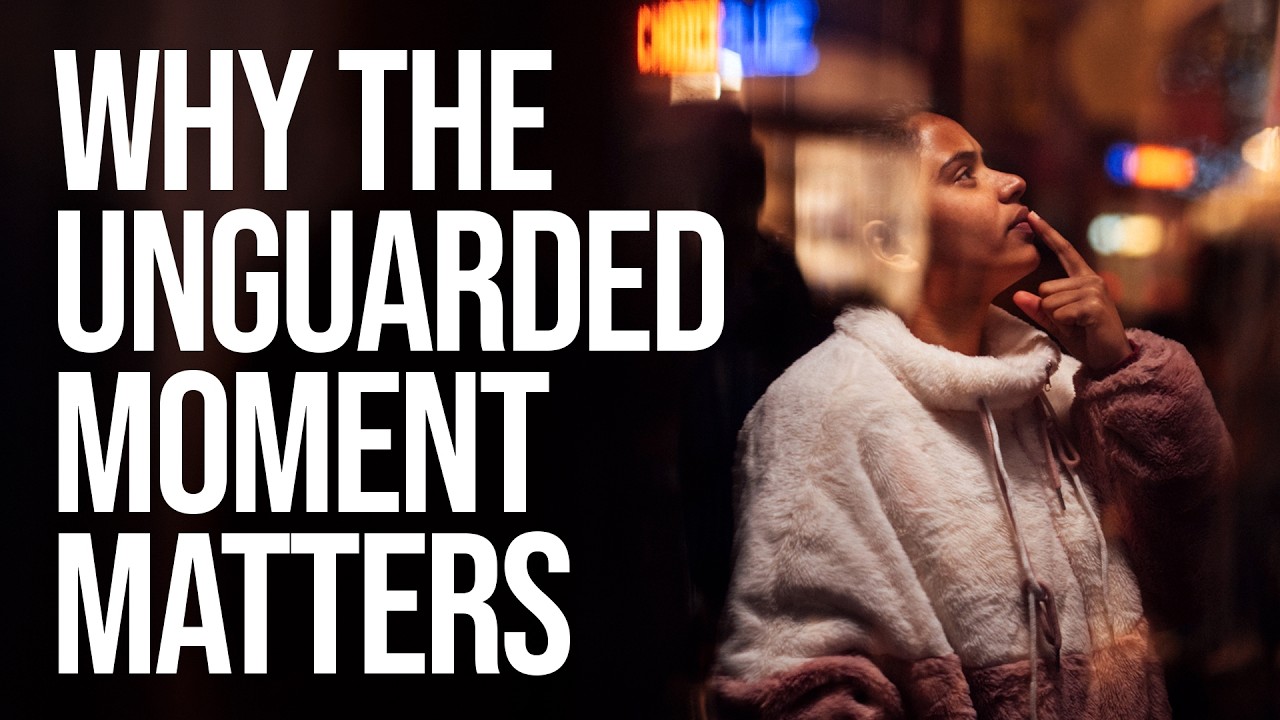
There’s a tension I’ve carried since my wedding photography days that I never quite had a name for. When I’d lift the camera during the ceremony, guests would stiffen. The flower girl would stop being a flower girl and start being a performer. I’d get the shot, but I’d lose the moment. It took me years of working in retouching - staring at the difference between a face that’s alive and a face that’s posing - to understand what was actually happening. The camera changes people. The second someone knows they’re being watched, something authentic disappears.
That’s exactly what Sean Tucker unpacks in this video on street photography, and even though my work now lives mostly in Photoshop rather than on a city sidewalk, his thinking cuts right to the heart of something every photographer who shoots real people needs to reckon with. Watch the full tutorial on YouTube before or after reading through this breakdown. The practical field advice he gives in the second half of the video is genuinely worth seeing in motion.
What follows is my step-by-step breakdown of his core arguments and methods, organized the way I’d want to absorb them if I were prepping for a shoot or rethinking my approach to photographing people in any context.
Step 1: Understand What Street Photography Actually Is
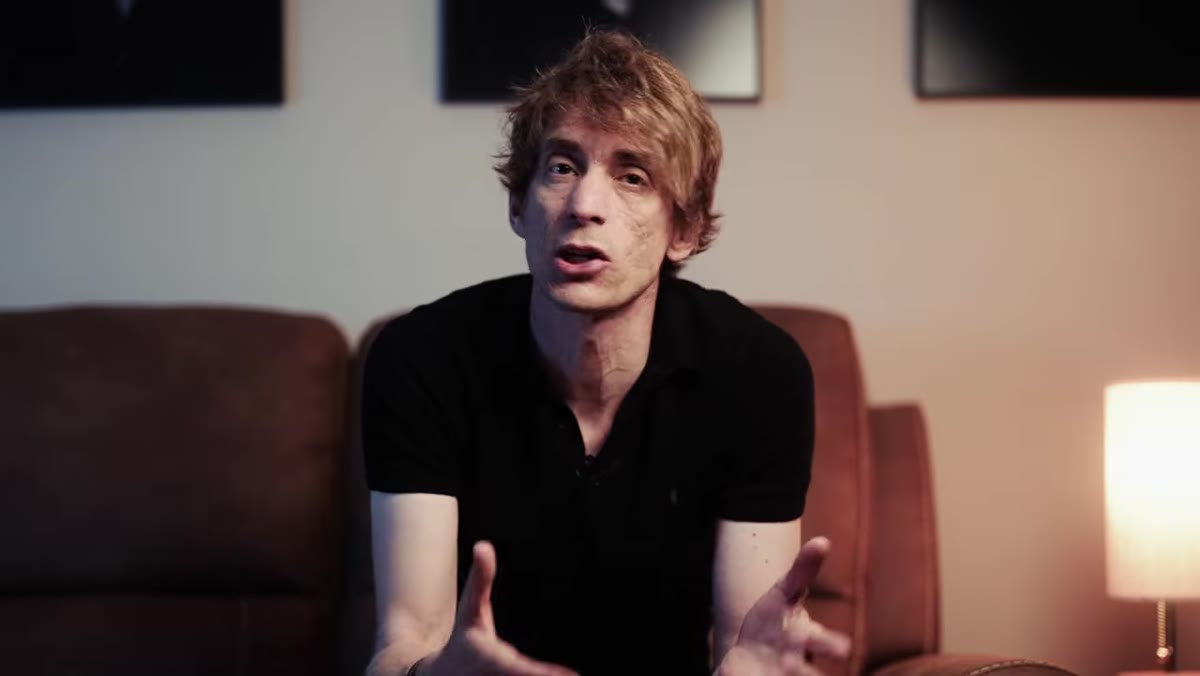 Tucker addresses the camera directly on a city street
The most common misconception Tucker addresses right away is that street photography is simply photography that happens outdoors. It isn’t. Street photography is observational by nature, which means it requires the photographer to stay invisible, stay quiet, and let life unfold without interference. The moment you insert yourself into the scene - by speaking, by gesturing, by making eye contact and signaling intent - you’ve changed the scene. You’re no longer documenting something real. You’re directing something staged.
Tucker addresses the camera directly on a city street
The most common misconception Tucker addresses right away is that street photography is simply photography that happens outdoors. It isn’t. Street photography is observational by nature, which means it requires the photographer to stay invisible, stay quiet, and let life unfold without interference. The moment you insert yourself into the scene - by speaking, by gesturing, by making eye contact and signaling intent - you’ve changed the scene. You’re no longer documenting something real. You’re directing something staged.
This distinction matters enormously. Portrait photography is collaborative. Both parties know what’s happening and work together to shape the image. Street photography is the opposite of that. Neither approach is better, but they produce fundamentally different kinds of truth, and confusing the two produces images that feel hollow in ways that are hard to articulate but easy to sense.
Step 2: Know Where the Law Actually Stands
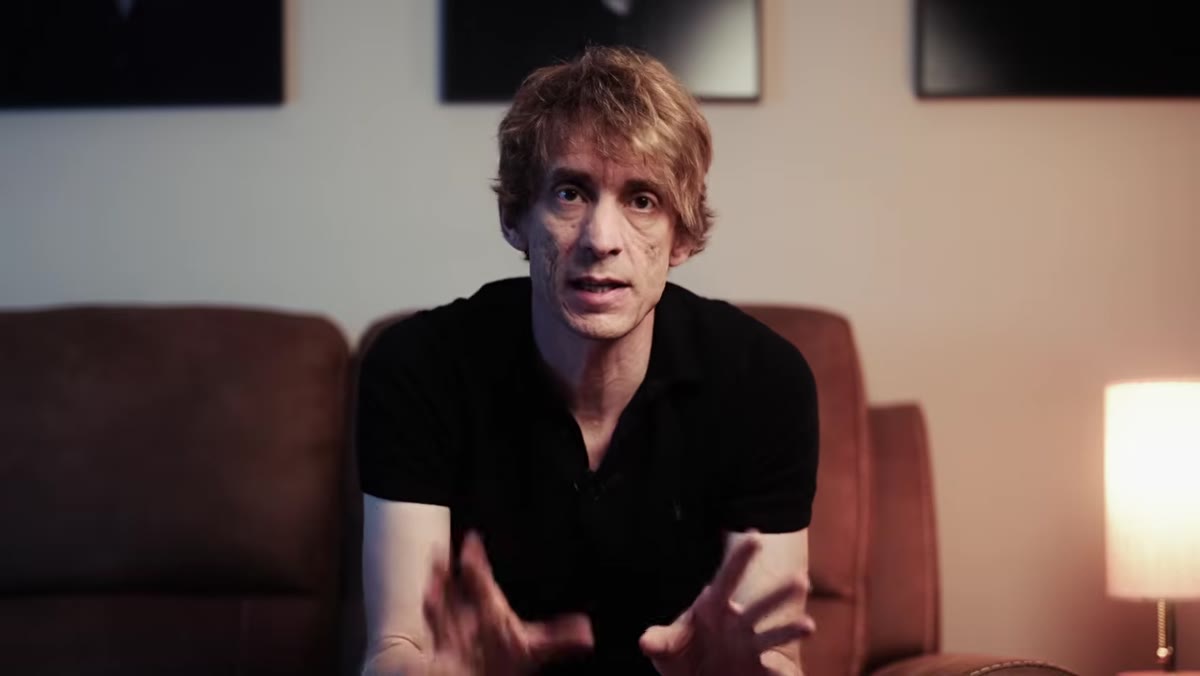 Tucker speaking to camera, presumably outdoors in a public space
Tucker is based in the UK, and he’s careful to ground his legal overview in that context, so apply this to your own jurisdiction. The core principle, though, is broadly shared across many countries: if a person is in a public space, they have no reasonable expectation of privacy. That means a street photographer can legally capture, share, and even sell images of strangers as artistic work - prints, books, exhibitions, editorial features - without needing explicit consent.
Tucker speaking to camera, presumably outdoors in a public space
Tucker is based in the UK, and he’s careful to ground his legal overview in that context, so apply this to your own jurisdiction. The core principle, though, is broadly shared across many countries: if a person is in a public space, they have no reasonable expectation of privacy. That means a street photographer can legally capture, share, and even sell images of strangers as artistic work - prints, books, exhibitions, editorial features - without needing explicit consent.
The line gets drawn at commercial use. If you want to license an image to advertise a product or a service, you need a signed model release. That’s the practical dividing line worth memorizing. Artistic presentation of your own work: generally legal without permission. Placing a stranger’s face on an ad for a brand: not legal without consent. Understanding this removes a lot of the anxiety that keeps photographers from shooting at all.
Step 3: Resolve the Ethical Question Honestly, Not Just Legally
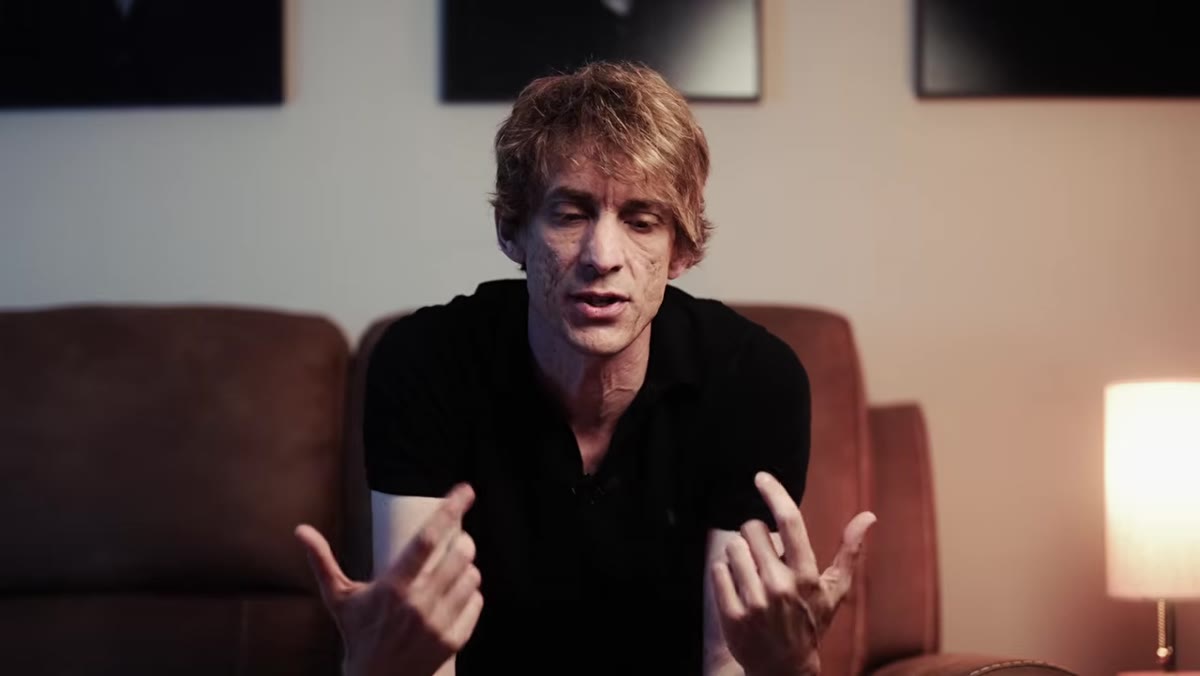 Tucker speaking directly to camera, mid-sentence discussion of ethics
Legal permission and ethical comfort are not the same thing, and Tucker doesn’t pretend they are. Just because something is permitted doesn’t mean it never warrants reflection. His answer is that street photography belongs to the same category as wildlife or landscape photography: it takes something without asking, because asking would destroy the thing it’s trying to capture. The candid moment, the unguarded expression, the split second of genuine human experience - these vanish the instant the subject becomes aware of the camera.
Tucker speaking directly to camera, mid-sentence discussion of ethics
Legal permission and ethical comfort are not the same thing, and Tucker doesn’t pretend they are. Just because something is permitted doesn’t mean it never warrants reflection. His answer is that street photography belongs to the same category as wildlife or landscape photography: it takes something without asking, because asking would destroy the thing it’s trying to capture. The candid moment, the unguarded expression, the split second of genuine human experience - these vanish the instant the subject becomes aware of the camera.
What he asks of photographers instead is intentionality and care. Being thoughtful about what you’re capturing and why. Not photographing people in moments of distress for shock value. Not lingering or following. The ethics live in how you work, not just in whether you said a word before pressing the shutter.
Step 4: Accept That the Camera Changes People - And Work Around It
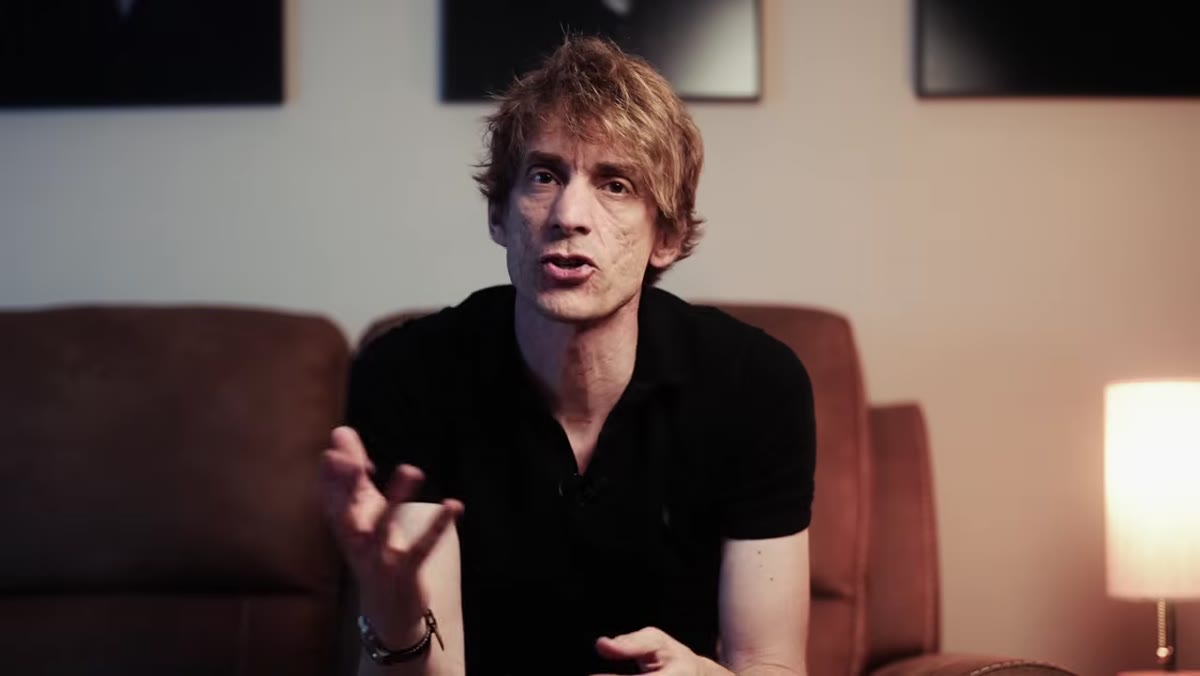 Tucker discussing human psychology and camera awareness
This is the psychological core of the whole video. It’s a near-universal human response: when we know we’re being observed, we perform. We straighten up. We smile in ways we don’t actually smile. We become a version of ourselves rather than simply ourselves. Tucker frames this not as a flaw in people but as a basic feature of human social behavior that photographers have to account for.
Tucker discussing human psychology and camera awareness
This is the psychological core of the whole video. It’s a near-universal human response: when we know we’re being observed, we perform. We straighten up. We smile in ways we don’t actually smile. We become a version of ourselves rather than simply ourselves. Tucker frames this not as a flaw in people but as a basic feature of human social behavior that photographers have to account for.
The practical implication is that you need to work quickly, stay inconspicuous, and resist the urge to set up a shot. The longer you spend positioning yourself and telegraphing your intentions, the more likely your subject is to notice and shift into performance mode. The image you wanted is already gone.
Step 5: Get Into the Field and Develop a Physical Workflow
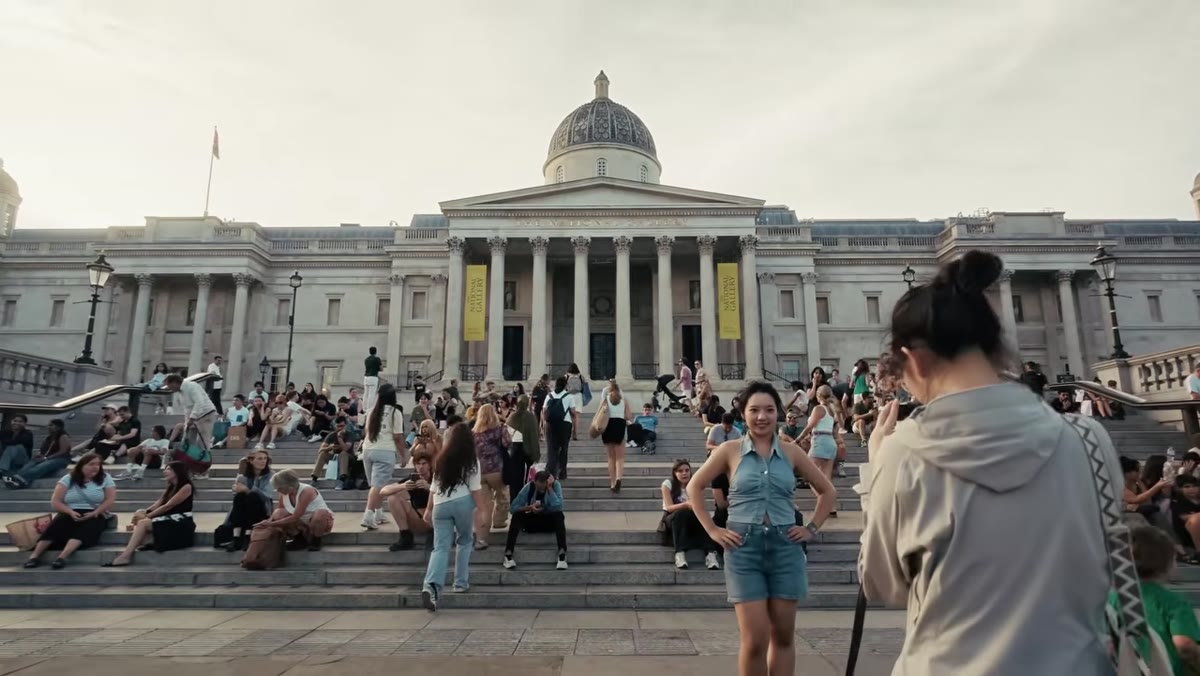 Tucker filming himself walking through Trafalgar Square
Tucker takes us to Trafalgar Square in the second half of the video to demonstrate his actual working method in a busy public space. He’s not giving a rigid set of rules so much as modeling a mindset: move naturally, blend into foot traffic, shoot from a relaxed position rather than an aggressive one. He holds the camera lower, he doesn’t plant himself in one spot, and he doesn’t make lingering eye contact with potential subjects before shooting.
Tucker filming himself walking through Trafalgar Square
Tucker takes us to Trafalgar Square in the second half of the video to demonstrate his actual working method in a busy public space. He’s not giving a rigid set of rules so much as modeling a mindset: move naturally, blend into foot traffic, shoot from a relaxed position rather than an aggressive one. He holds the camera lower, he doesn’t plant himself in one spot, and he doesn’t make lingering eye contact with potential subjects before shooting.
The practical takeaway is to treat yourself as part of the environment rather than an observer standing outside of it. The more you move and act like someone who simply belongs there, the less you register as a threat or a curiosity to the people around you.
A Note From My Own Work
I don’t shoot street photography, but this video reshuffled something in how I think about the reference images clients send me for retouching work. So often the photos people love most of themselves are candid shots, party pictures, moments where they weren’t thinking about the camera. The ones they hate are usually the posed studio shots where they knew exactly what was happening and their face shows it.
When we over-retouch a portrait, we do something similar. We remove the evidence of a real person who was really somewhere, really feeling something. The lesson from Tucker’s work isn’t just about when to press the shutter. It’s a reminder that authenticity has texture, and our job as people who work with images is to protect that texture, not sand it away.
The single most important thing Tucker communicates is this: asking permission doesn’t just change the logistics of the shot, it changes the fundamental nature of what you’re capturing. Street photography exists to preserve the unguarded moment, and that moment cannot survive the act of requesting it.
If any part of your work involves photographing real people - whether you’re on the street or in a studio, whether you’re shooting or retouching - this video is worth your full attention. Watch the full tutorial on YouTube and pay particular attention to the field segment, where the philosophy becomes visible in real time.
Comments
Leave a Comment