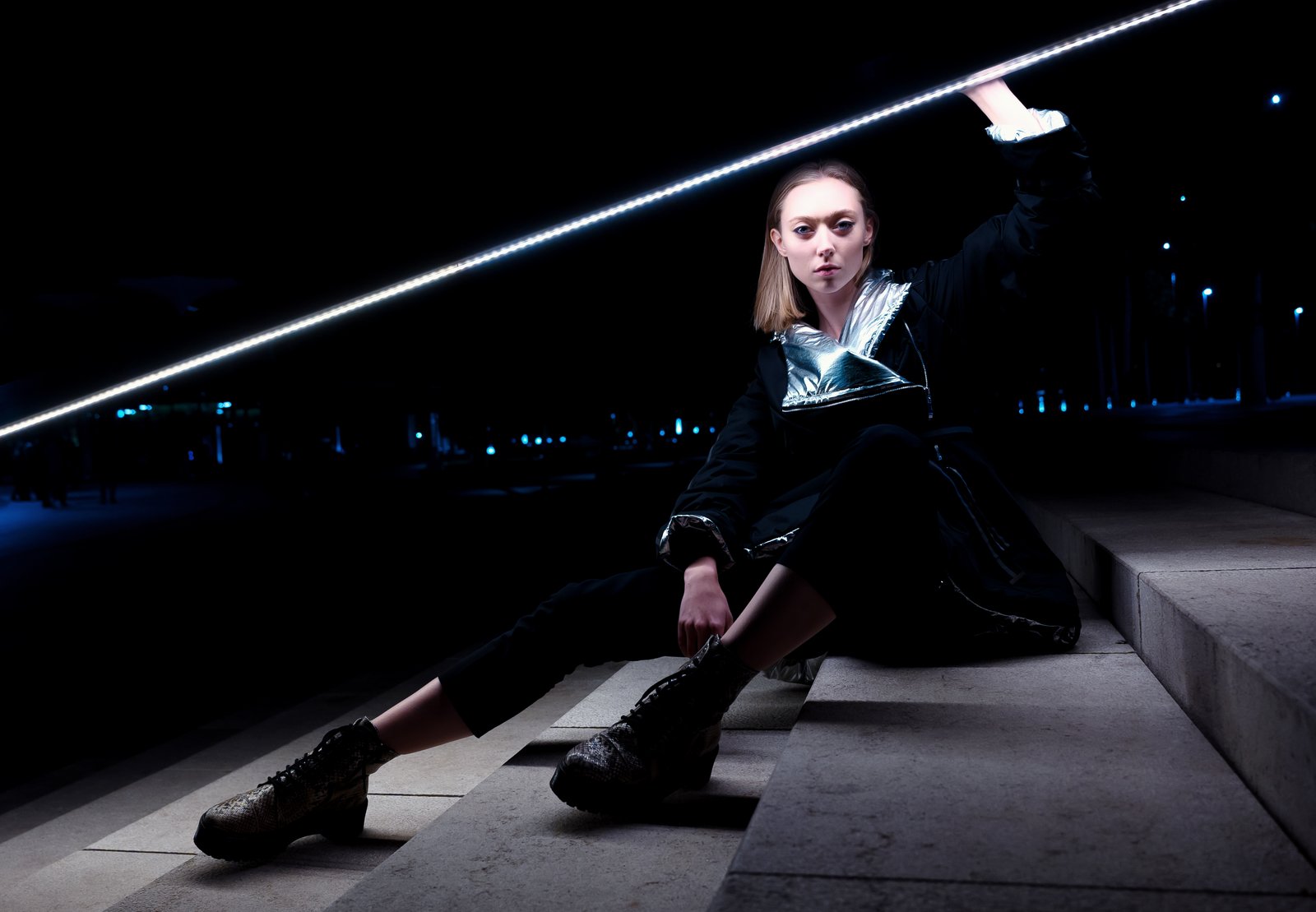
What Award-Winning Night Sky Photography Teaches Us About Dramatic Lighting in Portraits
I’ve always believed that the best creative inspiration comes from unexpected places. This month, I’ve been reflecting on how a major international nighttime photography competition reveals principles that directly apply to our work in portrait retouching and beauty editing.
DarkSky International recently announced the winners of their 2026 photography contest, and I found myself captivated—not just by the stunning imagery, but by what these winning photographs can teach us about managing light and shadow in our own specialty.
The Global Conversation About Light
What struck me most was the contest’s tremendous growth. Drawing entries from over 30 countries, this year’s competition hit record participation levels. Photographers worldwide are clearly hungry to explore the dramatic possibilities of low-light environments. We see a similar hunger among beauty and portrait photographers who want to push beyond traditional, evenly-lit approaches.
Why Dark Sky Photography Matters to Retouchers
When we work on portraits, we’re essentially doing the inverse of what these night sky photographers accomplish. They’re capturing minimal light sources against vast darkness. We’re often working with images that have abundant light, yet we still need to sculpt shadows and highlights to create dimension, drama, and that coveted sense of depth.
The winning images from this contest demonstrate something crucial: darkness isn’t the absence of interest—it’s a design choice. When we retouch portraits, we apply this same philosophy. We don’t eliminate shadows; we carefully shape them to guide the viewer’s eye and create compelling three-dimensionality.
Technical Lessons We Can Apply
I’ve noticed that successful night sky photographers excel at:
- Recognizing subtle tonal variations in what appears to be uniform darkness
- Using selective enhancement to reveal details without losing authenticity
- Creating visual hierarchy through strategic lighting emphasis
These principles translate beautifully into portrait retouching. When we dodge and burn, adjust curves, or work with selective color tools, we’re essentially curating light—exactly as these photographers do with their celestial subjects.
Inspiration for Your Next Project
If you’re feeling creatively stuck in your retouching work, I encourage you to study how professional photographers approach extreme lighting situations. Notice how they preserve detail in shadows, how they create separation between subjects and backgrounds through tonal choices, and how restraint often creates more impact than heavy-handed editing.
The next time you’re retouching a beauty shot, consider: What would a dark sky photographer do? How might they use shadow to enhance rather than diminish?
That’s where truly transformative portrait editing happens.
Comments
Leave a Comment