The Unexpected Lesson From a Child’s Perspective
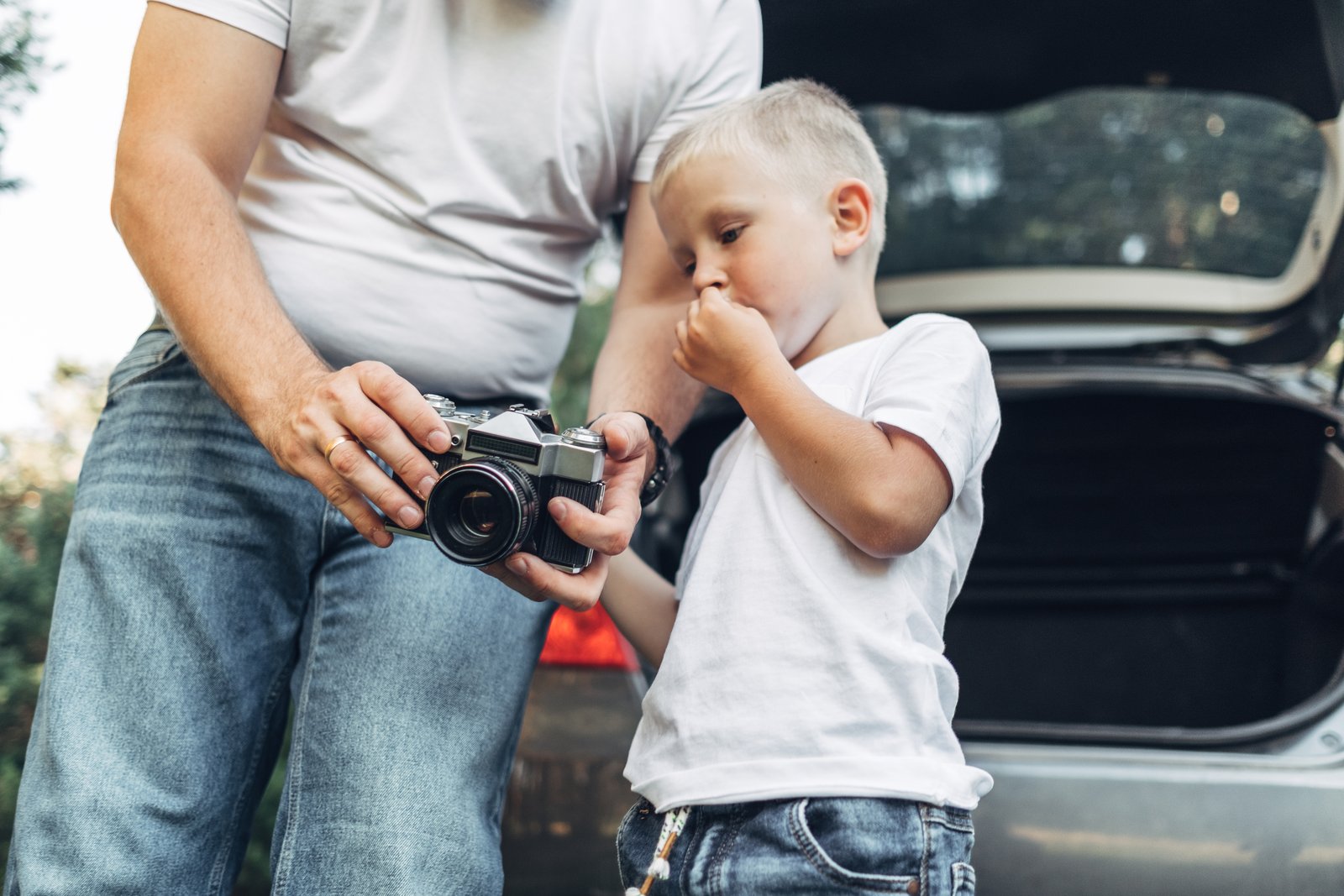
Last month, I handed my six-year-old a basic compact camera and let him loose in our backyard. I expected blurry snapshots and accidental shots of his sneakers. What I got instead was a profound reminder about why we do what we do in portrait retouching—and perhaps, a warning about where we’ve gone wrong.
His favorite photo? A dandelion. Not a person. Not even a particularly well-composed shot. Just a single weed, backlit by afternoon sun, with every seed head visible and slightly imperfect.
Rethinking Our Definition of “Perfect”
When he showed me the image, he didn’t apologize for its simplicity. He didn’t wish he’d smoothed out the stem or removed the dirt particles clinging to the base. He saw it exactly as it was: beautiful.
This moment stopped me cold. In my retouching studio, I spend hours softening skin, enhancing features, and creating versions of people that are technically flawless—yet sometimes emotionally hollow. We’ve become so skilled at erasing imperfection that we’ve started erasing authenticity itself.
A New Approach to Beauty Editing
I’m not suggesting we abandon retouching. Refinement has its place. But my son’s dandelion taught me that there’s a difference between enhancing and erasing, between polishing and perfecting into unreality.
The best portrait work we do isn’t about creating an impossible standard. It’s about revealing the genuine beauty that’s already there—the light in someone’s eyes, the character in their features, the story in their expression. When we over-edit, we’re not enhancing; we’re replacing.
Moving Forward
These days, when clients come to me wanting extensive retouching, I ask them what they truly want to see in their portrait. Often, they discover they want to look like themselves—just their best self. More rested, perhaps. Better lit. More confident. But unmistakably them.
That’s the kind of editing that matters. The kind that honors what we’re actually working with rather than dismissing it as insufficient.
My son’s dandelion now sits framed in my office. It reminds me daily that imperfection isn’t a problem to solve. Sometimes, it’s exactly what makes something worth photographing in the first place.
Comments (4)
Simple but effective. Sometimes that's all you need.
Shared this with my photography group. Everyone loved it.
Love this. I referenced a similar technique in one of my recent posts. Always good to see other perspectives.
Great breakdown. The step-by-step approach really helps.
Leave a Comment