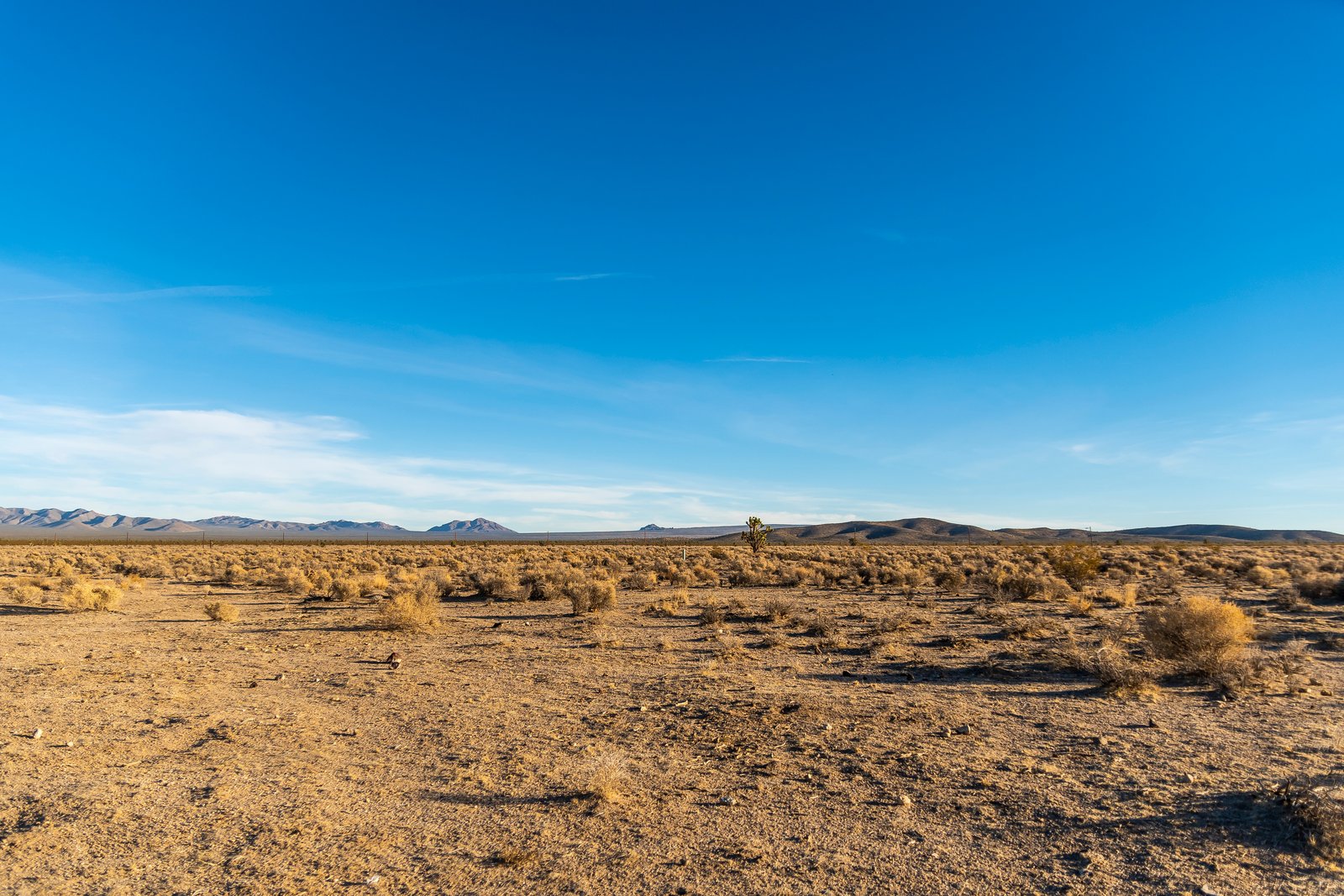
Why Desert Landscapes Demand Better Skin Retouching: A Beauty Editor’s Take
I’ve been noticing a trend in my retouching inbox lately—more photographers are bringing their portrait work to desert locations, and honestly, they’re discovering what we beauty editors have known for years: these stunning landscapes require a completely different approach to skin editing than traditional studio work.
The Desert Light Challenge
When we’re working with portraits shot in desert environments, we’re contending with intense, unforgiving sunlight that creates harsh shadows and blown-out highlights across the face. I’ve analyzed countless desert portrait submissions, and the common thread is this: the natural environment’s dramatic light patterns demand more nuanced retouching work than we might initially expect.
The golden hour becomes even more critical in these settings. We’re seeing photographers who understand this arrive during early morning or late afternoon shoots, which gives us, as retouchers, far less extreme contrast to manage. When we receive images with proper timing, our skin smoothing and tone correction work becomes infinitely more elegant.
Adapting Your Retouching Strategy
Here’s where our expertise in beauty editing becomes essential. Traditional portrait retouching assumes relatively controlled lighting conditions. Desert work? It’s different. We need to:
Reassess our dodge and burn techniques to account for environmental shadows that naturally fall across the face. Rather than correcting these away, we’re learning to work with them, enhancing their dimensionality instead of flattening the skin.
Reconsider color grading approaches since desert environments introduce warm, saturated tones that can clash with standard skin tone adjustments. I’m finding success with selective color correction that preserves the landscape’s warmth while keeping skin tones natural and flattering.
Strengthen our blemish and texture work because harsh light exposes every detail. This isn’t a flaw in the photography—it’s an opportunity for precise, intentional retouching that enhances rather than over-processes.
A Collaborative Perspective
What excites me most about this trend is how it’s pushing the entire beauty editing community to evolve. Photographers aren’t abandoning desert shoots for their beauty; they’re becoming more intentional about how they work there. And we, as retouchers, get to respond with more sophisticated techniques.
I encourage you to think about desert portrait retouching not as a problem to solve, but as a creative challenge. The same principles that make desert landscapes visually stunning—bold contrast, rich color saturation, and dramatic form—can enhance portrait beauty when we approach editing with intention and skill.
Your next desert portrait session might just teach you something new about what truly beautiful retouching can achieve.
Comments
Leave a Comment