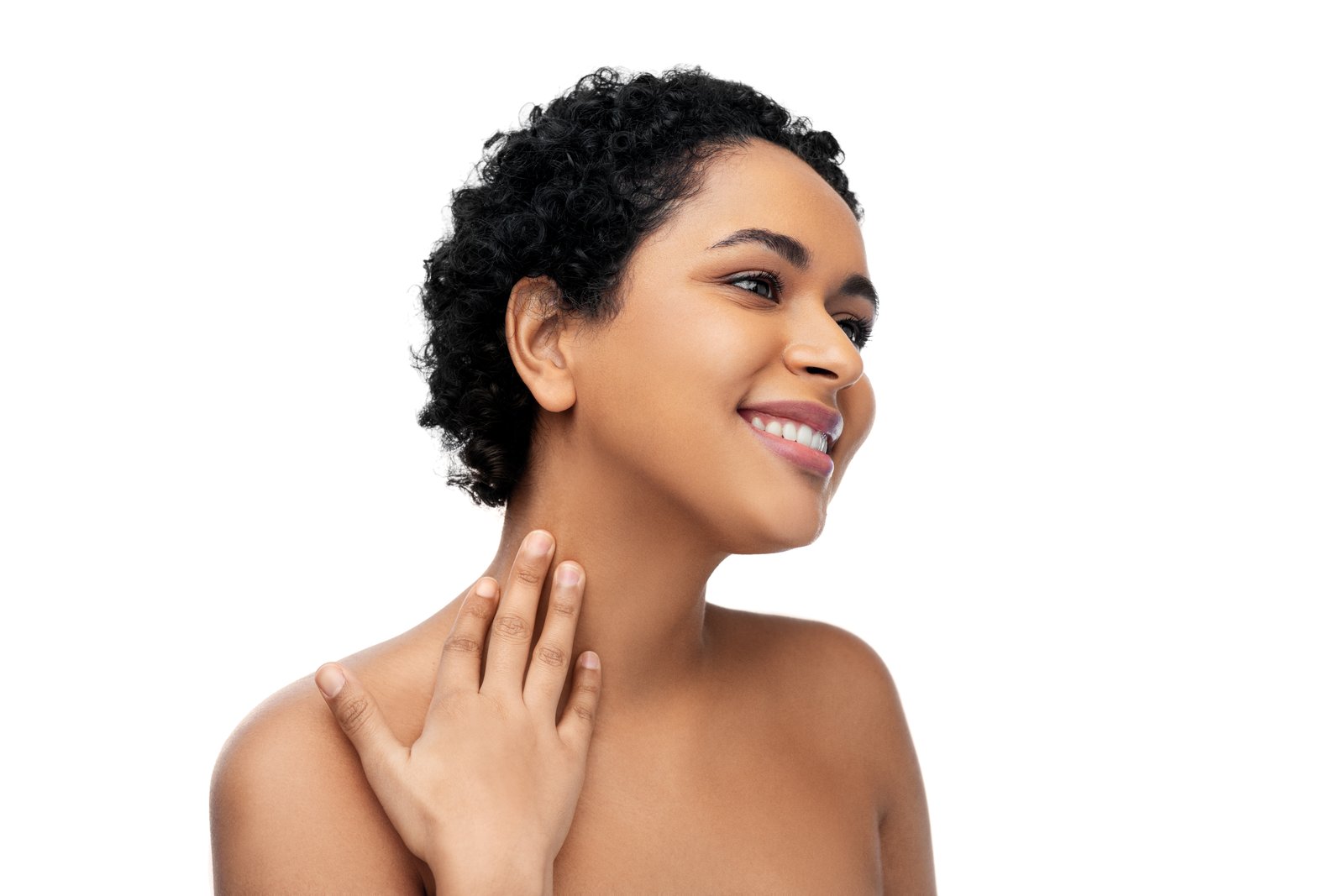
Building Trust Through Clear Communication
I’ve been thinking lately about a question that comes up constantly in our community: Why do some edited portraits feel authentic while others feel overstyled? The answer, I believe, lies in something we rarely discuss—our ability to articulate why we make the choices we do.
When I first started in beauty retouching, I could explain the mechanics: how to smooth skin, enhance eyes, adjust color grading. What I couldn’t explain was the reasoning behind these decisions. Was I editing to flatter the subject? Tell a story? Achieve a specific aesthetic vision? Without that clarity, my work felt disconnected from purpose.
The Gap Between Technique and Intent
Here’s what I’ve realized: the photography and retouching community has developed an impressive technical vocabulary. We discuss dodge and burn, frequency separation, and luminosity masks with precision. Yet we struggle to describe the visual goals we’re working toward.
This matters more than we think. When we can’t name our objectives, even brilliant editing can look arbitrary. A prospective client might see a beautifully retouched portrait and wonder, “Is this enhancement or fakery?” Without a framework to explain our decisions, we inadvertently invite skepticism.
Defining Beauty on Your Own Terms
I believe portrait editors need to develop clearer criteria for evaluating our work. This means asking ourselves tough questions:
- What’s the intended outcome? Are we creating an editorial look, a natural-looking headshot, or high-fashion retouching?
- Who benefits from this choice? Does this edit serve the subject’s authentic self-presentation?
- Can we articulate the visual task? Instead of “make it beautiful,” can we say “enhance skin clarity while preserving texture” or “deepen the eye contact”?
When we can answer these questions, our work gains credibility. We’re no longer applying beauty filters—we’re executing a considered creative vision.
Moving Beyond the “Gimmick” Perception
The beauty editing industry sometimes suffers from a legitimacy problem. Some dismiss our work as superficial enhancement, as if making someone look their best is inherently dishonest. I disagree completely.
Portrait retouching becomes a gimmick only when there’s no intentionality behind it. But when we can explain our decisions, defend our techniques, and articulate how we’re serving our subject, that’s professional practice. That’s craft.
Where We Go From Here
I’m encouraging every editor I know to develop their own visual language. Document your editing philosophy. Write down the principles guiding your choices. Share your methodology with clients. This transparency doesn’t diminish our artistry—it amplifies it.
When we speak clearly about our work, we build trust. And trust transforms beauty editing from a suspect technique into a legitimate creative practice.
Comments (4)
My workflow just got 10x faster. Not even kidding.
I've watched a dozen tutorials on this and yours is the clearest by far.
I tried this on a client project yesterday and the results were way better than expected.
Applied this to my portfolio shots and the improvement is noticeable.
Leave a Comment