The Art of Portrait Cleanup: Transform Raw Photos Into Polished Masterpieces

The Art of Portrait Cleanup: Transform Raw Photos Into Polished Masterpieces

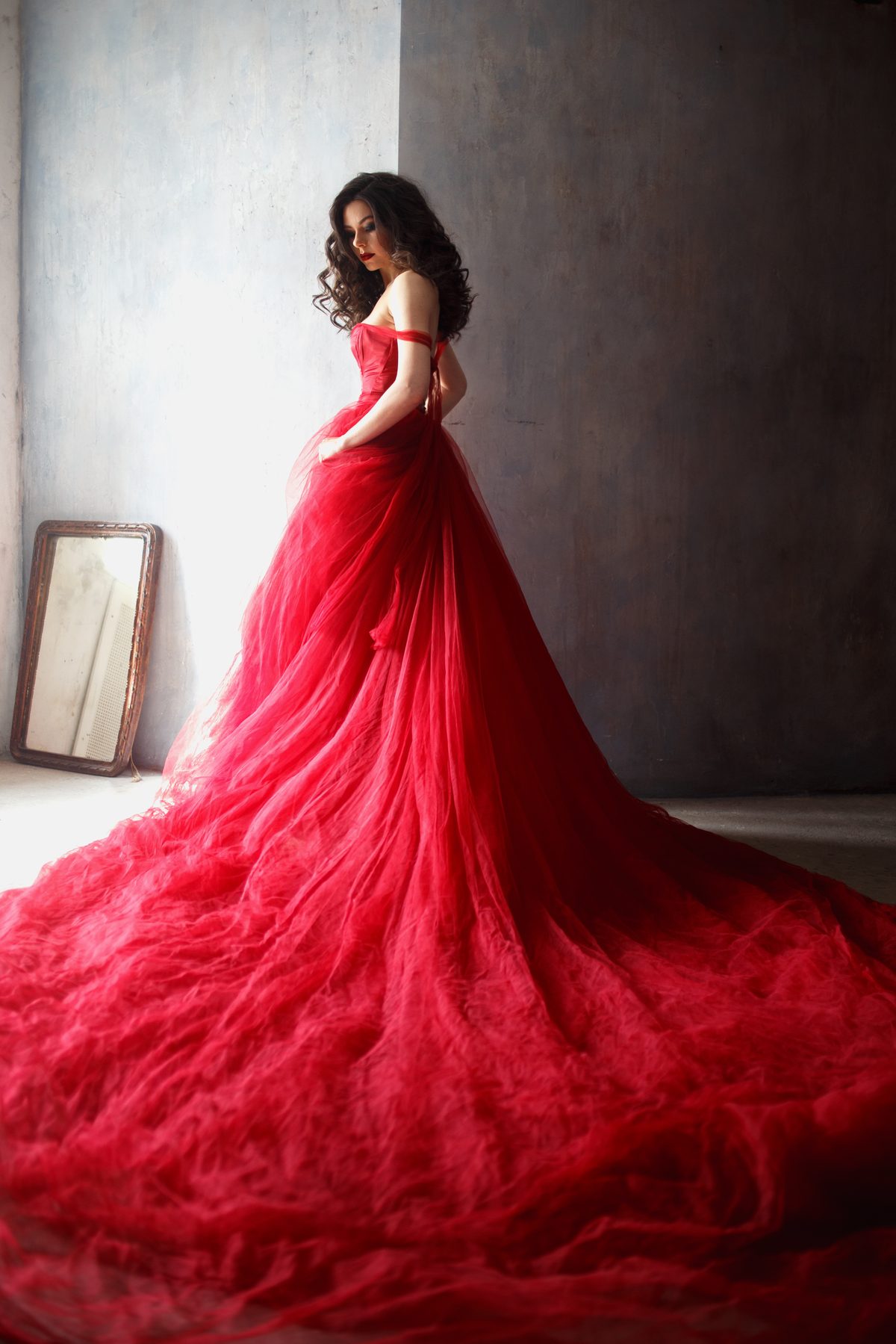
The Art of Portrait Cleanup: Transform Raw Photos Into Polished Masterpieces When a client sends me a portrait they love, I can usually spot exactly why—it’s often despite the stray hairs, uneven lighting, or temporary blemishes that caught them that day. My job is to honor what makes the photo special while gently removing the distractions. That’s portrait cleanup in a nutshell, and I’m excited to walk you through my approach.

The Art of Portrait Cleanup: Creating Flawless Skin Without Losing Character

The Art of Portrait Cleanup: Creating Flawless Skin Without Losing Character

The Art of Portrait Cleanup: Creating Flawless Skin Without Losing Character When I first started retouching portraits, I made a common mistake: I treated cleanup like damage control. I’d aggressively smooth every pore, blur every imperfection, and end up with portraits that looked plastic and lifeless. Over the years, I’ve learned that portrait cleanup isn’t about erasure—it’s about enhancement. The goal we’re aiming for is clear, healthy-looking skin that still feels authentically human.

The Art of Portrait Cleanup: A Step-by-Step Guide to Natural-Looking Retouching

The Art of Portrait Cleanup: A Step-by-Step Guide to Natural-Looking Retouching

The Art of Portrait Cleanup: A Step-by-Step Guide to Natural-Looking Retouching When I first started retouching portraits, I made the same mistake many of us do: I cleaned up everything. Every texture, every subtle shadow, every whisper of character. The result? Portraits that looked plastic and lifeless. Over the years, I’ve learned that great portrait cleanup isn’t about erasing reality—it’s about enhancing it thoughtfully. Today, I’m sharing the approach we use in our studio to create portraits that look professionally polished while still feeling authentically human.

The Art of Natural Skin Retouching: Techniques That Look Like Real Skin

The Art of Natural Skin Retouching: Techniques That Look Like Real Skin

The Art of Natural Skin Retouching: Techniques That Look Like Real Skin When I first started retouching portraits, I made the same mistake many beginners do: I over-smoothed everything until faces looked plastic and lifeless. It wasn’t until I learned to think about skin as a living surface—with texture, dimension, and subtle imperfections that make someone recognizable—that my work transformed. Today, I want to share the philosophy and practical methods that’ve shaped how I approach skin retouching.

The Art of Natural Skin Retouching: My Step-by-Step Approach

The Art of Natural Skin Retouching: My Step-by-Step Approach

The Art of Natural Skin Retouching: My Step-by-Step Approach When I first started portrait retouching, I made the same mistake many beginners do—I over-smoothed everything until my clients looked like porcelain dolls. After years of refining my craft, I’ve learned that the best retouching is the kind people can’t quite see. We’re aiming for enhancement, not transformation. In this article, I’ll walk you through my exact workflow for achieving skin that looks naturally flawless.

The Art of Natural Skin Retouching: A Step-by-Step Guide to Flawless Portraits

The Art of Natural Skin Retouching: A Step-by-Step Guide to Flawless Portraits

The Art of Natural Skin Retouching: A Step-by-Step Guide to Flawless Portraits I’ve spent years perfecting skin retouching, and I want to share what I’ve learned with you. The difference between amateur and professional results often comes down to one thing: knowing when to retouch and when to stop. Let me walk you through the process I use for every portrait that lands on my desk. Why Texture Matters More Than You Think Before we dive into tools and settings, I need to emphasize something crucial: the goal of skin retouching isn’t to create plastic-looking perfection.

The Art of Natural Hair Retouching: Making Flyaways Disappear Without Looking Fake

The Art of Natural Hair Retouching: Making Flyaways Disappear Without Looking Fake

The Art of Natural Hair Retouching: Making Flyaways Disappear Without Looking Fake When I first started retouching portraits, I made the same mistake many of us do: I over-smoothed everything. Hair looked plastic. Shine became artificial. I’ve learned that the best hair retouching is invisible—it enhances what’s already there rather than replacing it entirely. Let me walk you through my approach to hair retouching, so you can deliver portraits that look effortlessly beautiful.

The Art of Natural Beauty Editing: When Less is More

The Art of Natural Beauty Editing: When Less is More

The Art of Natural Beauty Editing: When Less is More I’ve spent the last decade refining my approach to beauty editing, and I’ve learned something that might surprise you: the best retouching work is often invisible. When clients ask me about my editing, they rarely believe I’ve done much at all—which is exactly the goal. The difference between amateur and professional beauty editing isn’t about creating flawless, plastic-looking skin. It’s about understanding which imperfections to address, which to soften, and which to leave entirely alone.

The Art of Natural Beauty Editing: Enhancing Without Overdoing

The Art of Natural Beauty Editing: Enhancing Without Overdoing

The Art of Natural Beauty Editing: Enhancing Without Overdoing When I first started retouching portraits, I made the same mistake many beginners do: I over-edited. My subjects looked airbrushed and plastic—beautiful, sure, but not them anymore. Over the years, I’ve learned that the most powerful beauty edits are the ones people don’t notice. Today, I want to share what I’ve discovered about enhancing portraits while preserving that authentic, natural quality.

The Art of Capturing Seasonal Beauty: What Cherry Blossoms Teach Us About Editing Light and Texture

The Art of Capturing Seasonal Beauty: What Cherry Blossoms Teach Us About Editing Light and Texture

A Decades-Long Study in Fleeting Beauty I recently learned about a photographer named Drew Geraci who has spent nearly two decades returning to Washington, D.C. each spring to photograph cherry blossoms. What struck me most wasn’t just his dedication—it was how his long-term project mirrors the delicate work we do in portrait retouching and beauty editing. When you commit to photographing the same subject across 17 years, you’re not just collecting images.

Portrait Cleanup Essentials: Transform Your Photos with Precision

Portrait Cleanup Essentials: Transform Your Photos with Precision

Portrait Cleanup Essentials: Transform Your Photos with Precision When I first started retouching portraits, I realized that cleanup is where the magic happens. It’s not about creating something artificial—it’s about removing the everyday distractions that keep a beautiful moment from truly shining. Whether you’re working with a professional headshot or a candid family photo, portrait cleanup is a skill that transforms good images into ones you’re genuinely proud to share.

Portrait Cleanup Essentials: My Step-by-Step Guide to Flawless Skin

Portrait Cleanup Essentials: My Step-by-Step Guide to Flawless Skin

Portrait Cleanup Essentials: My Step-by-Step Guide to Flawless Skin When I first started retouching portraits, I thought cleanup meant removing every imperfection until the image looked airbrushed and plastic. I learned quickly that the magic lies in subtle enhancement—keeping skin looking real while making it radiant. Today, I’m sharing the approach that’s transformed how I approach portrait cleanup. What Portrait Cleanup Really Means Let me be clear about something: portrait cleanup isn’t about erasing someone’s humanity.