What Woodland Photography Taught Me About Seeing Light Differently (Nigel Danson Breakdown)

What Woodland Photography Taught Me About Seeing Light Differently (Nigel Danson Breakdown)

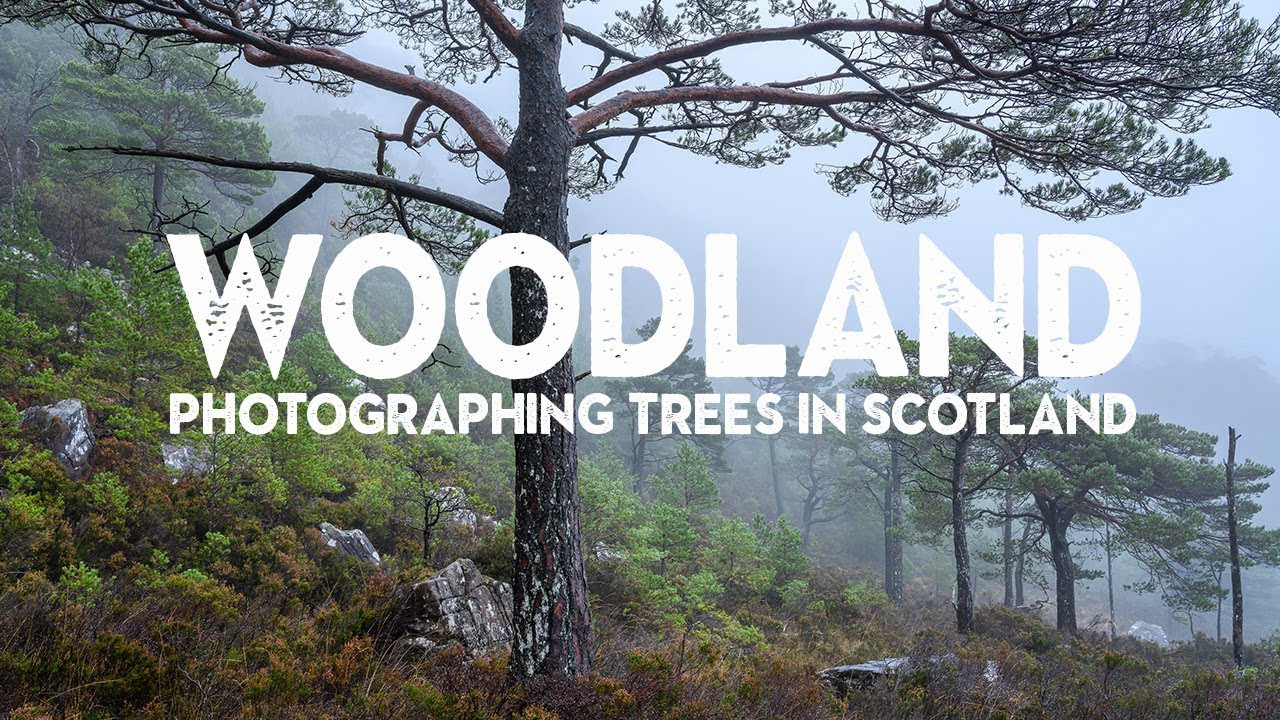
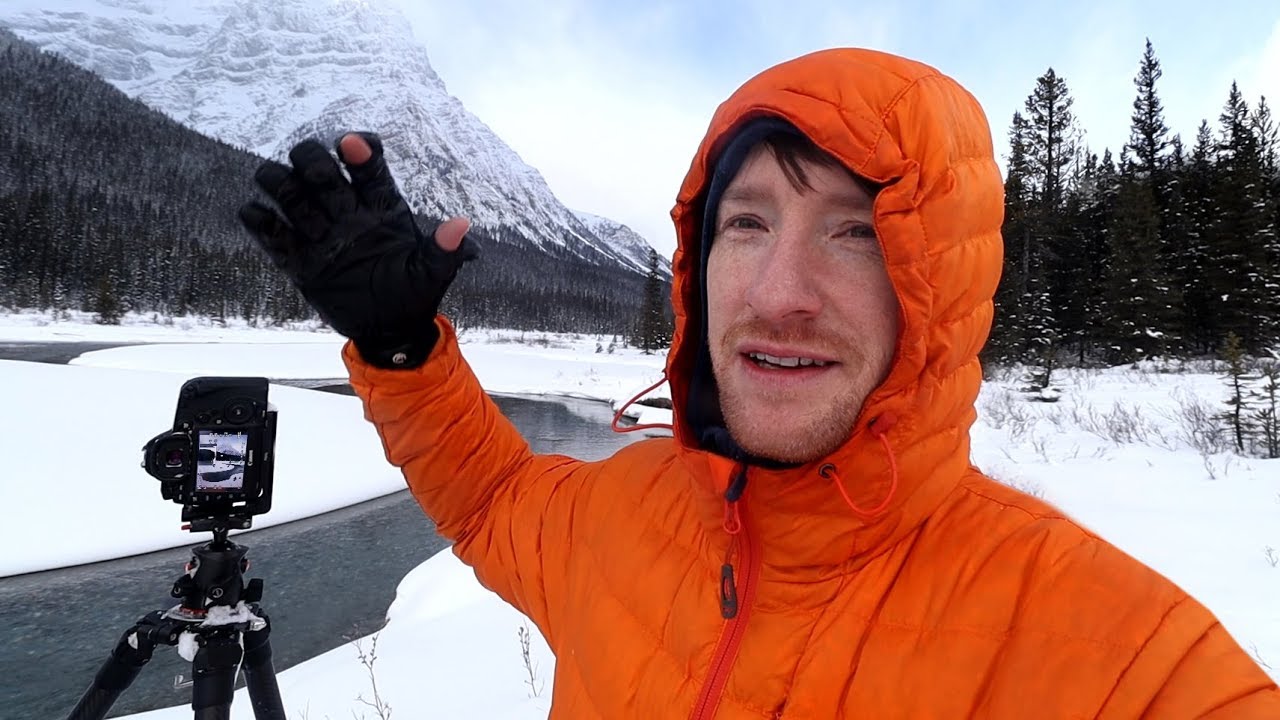
I came to landscape photography the same way I came to most things outside my retouching work: sideways, by accident, and slightly obsessed. After years of staring at skin texture and catchlights on a monitor, I started taking long walks with a camera just to remember what it felt like to photograph something that couldn’t ask for a revision. That’s how I stumbled onto Nigel Danson’s work, and specifically this tutorial on woodland photography that stopped me mid-scroll and made me watch it twice.

Dodge and Burn: The Portrait Retoucher's Secret to Sculpting Light

Dodge and Burn: The Portrait Retoucher's Secret to Sculpting Light

Dodge and Burn: The Portrait Retoucher’s Secret to Sculpting Light When I first learned dodge and burn, I realized I’d been missing one of the most powerful tools in portrait retouching. These techniques—borrowed from the darkroom days of film photography—let us selectively lighten and darken areas of a portrait to sculpt dimension, enhance features, and create that coveted professional polish. I want to walk you through how we can use them effectively without overdoing it.

Dodge and Burn: The Art of Sculpting Light in Portrait Retouching

Dodge and Burn: The Art of Sculpting Light in Portrait Retouching

Dodge and Burn: The Art of Sculpting Light in Portrait Retouching I still remember the first time I truly understood dodge and burn. I was working on a beauty portrait, and no amount of basic adjustments seemed to give the face the dimension it needed. Then it clicked—I wasn’t just editing; I was sculpting light itself. That realization transformed how I approach every portrait that comes across my desk. Dodge and burn is one of the most powerful yet misunderstood tools in our retouching arsenal.