How Lightroom's Range Masking Finally Solved My Sky-vs-Skin Exposure Problem

How Lightroom's Range Masking Finally Solved My Sky-vs-Skin Exposure Problem

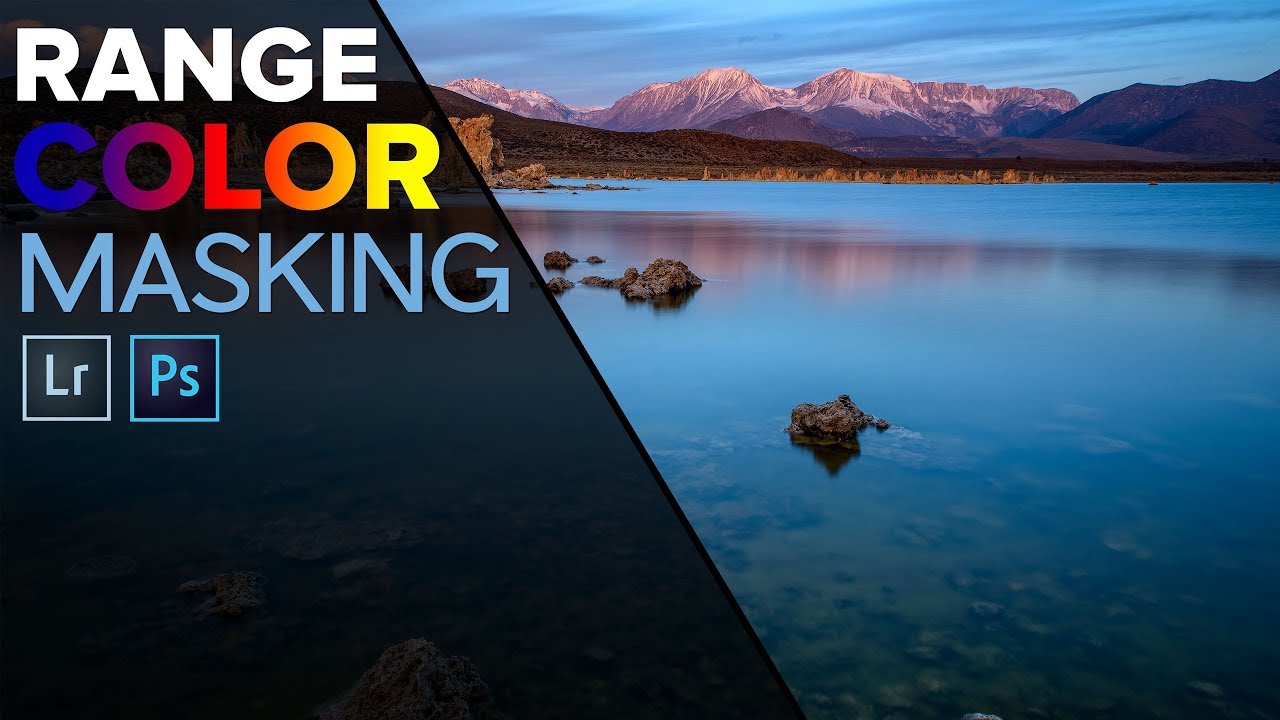
There’s a specific frustration I remember from my early beauty retouching work: I’d drag a graduated filter across an image to darken a blown-out background, and it would eat into my subject’s shoulder or hair like it had a personal grudge. Feathering helped, but only so much. The mask didn’t know the difference between the bright sky and the bright highlights on a cheekbone. It was blunt where the work required precision.

Dark Canvas First: What Urban Dodge and Burn Taught Me About My Portrait Work

Dark Canvas First: What Urban Dodge and Burn Taught Me About My Portrait Work

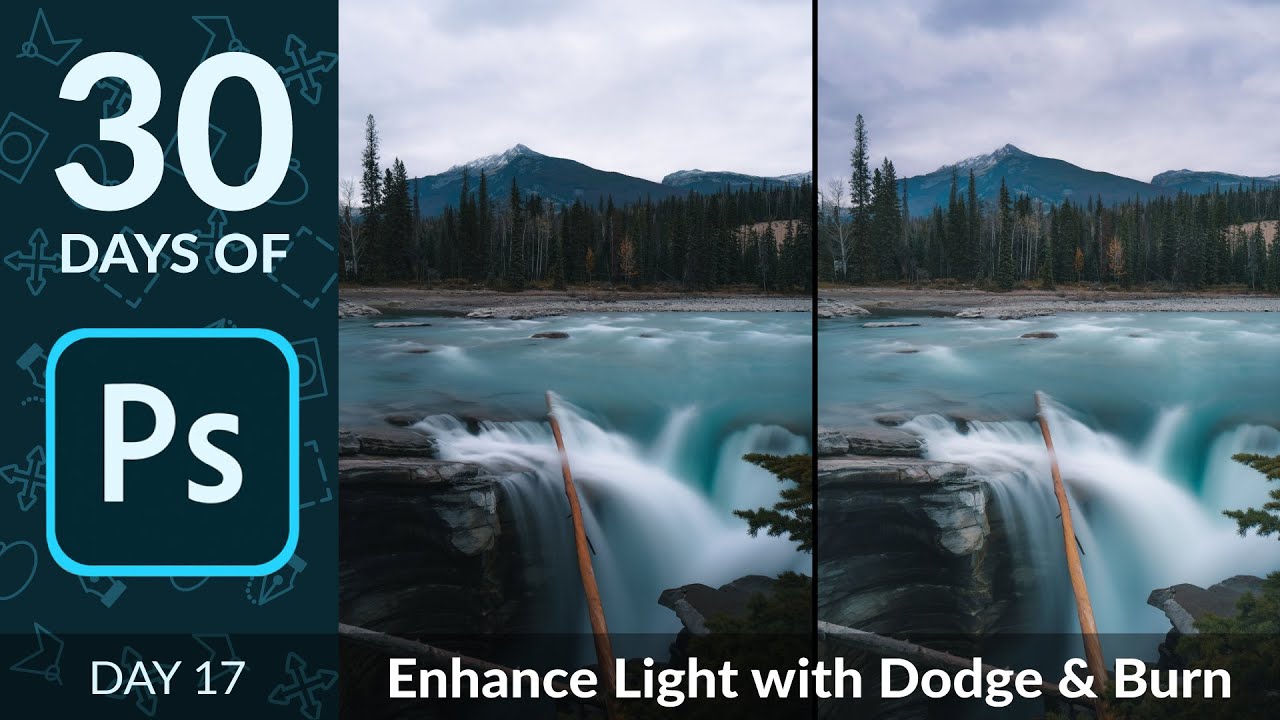
I came up through wedding photography, which means I learned to retouch under pressure and mostly by instinct. Skin, hair, the soft glow of a ceremony room — that was my world for years. So when I started freelancing for beauty brands and teaching retouching workshops, I had to deliberately go looking for techniques outside my comfort zone. That’s what led me to Watch the full tutorial on YouTube — a Kelvin Designs episode on dodge and burn for urban landscapes.

The Art of Eye Enhancement: Making Eyes Pop in Portrait Retouching

The Art of Eye Enhancement: Making Eyes Pop in Portrait Retouching

The Art of Eye Enhancement: Making Eyes Pop in Portrait Retouching Eyes are the soul of a portrait. They’re often the first thing viewers connect with, and when we enhance them thoughtfully, we breathe life into our images. I’ve spent years perfecting eye enhancement techniques, and I’m excited to share the approach that’s transformed how I approach every portrait that comes across my desk. Why Eye Enhancement Matters Before we dive into the how, let’s talk about the why.

The Art of Subtle Skin Retouching: Keeping Your Portraits Looking Natural

The Art of Subtle Skin Retouching: Keeping Your Portraits Looking Natural

The Art of Subtle Skin Retouching: Keeping Your Portraits Looking Natural When I first started retouching portraits, I made the same mistake countless editors do—I over-processed everything. Skin became plastic, pores disappeared entirely, and faces looked nothing like the people I’d photographed. It took years of practice to understand that the best retouching is invisible retouching. Today, I want to share what I’ve learned so you can skip the painful learning curve.

The Art of Subtle Skin Retouching: Keeping Portraits Natural and Beautiful

The Art of Subtle Skin Retouching: Keeping Portraits Natural and Beautiful

The Art of Subtle Skin Retouching: Keeping Portraits Natural and Beautiful I’ve spent years perfecting skin retouching, and I’ve learned that the best portraits don’t look retouched at all. That might sound like a contradiction, but it’s actually the heart of beautiful portrait editing. Today, I want to share what I’ve discovered about enhancing skin while preserving the authentic character that makes a portrait compelling. Why Restraint is Your Secret Weapon When clients first come to me, many expect heavy smoothing and flawless skin that looks almost plastic.

Mastering Dodge and Burn: Sculpting Light and Shadow in Portrait Retouching

Mastering Dodge and Burn: Sculpting Light and Shadow in Portrait Retouching

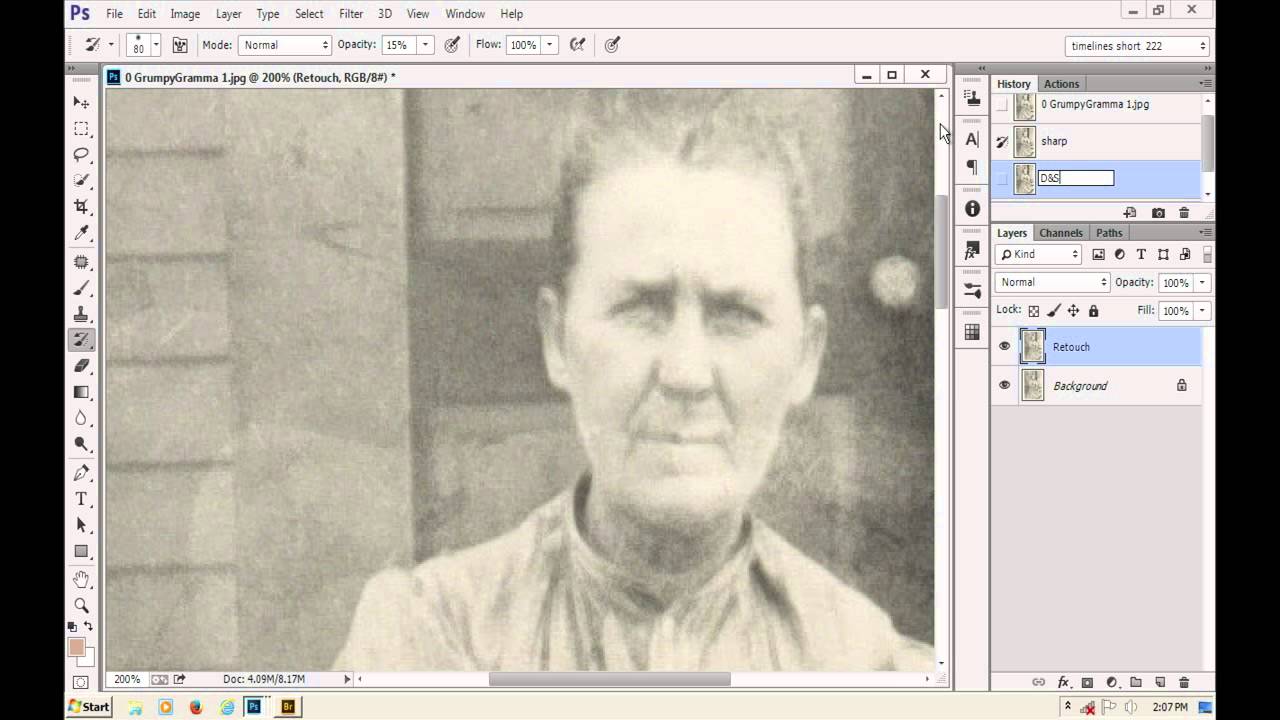
Mastering Dodge and Burn: Sculpting Light and Shadow in Portrait Retouching When I first started portrait retouching, I thought dodge and burn were just old darkroom tricks. But I’ve come to realize they’re one of the most powerful tools we have for sculpting faces and creating that coveted three-dimensional quality that separates amateur edits from polished professional work. Let me walk you through how I approach this technique, and I promise it’s more intuitive than it might sound.

Dodge and Burn: The Subtle Art of Sculpting Light in Portrait Retouching

Dodge and Burn: The Subtle Art of Sculpting Light in Portrait Retouching

Dodge and Burn: The Subtle Art of Sculpting Light in Portrait Retouching When I first started portrait retouching, I noticed something that separated good edits from great ones: the subtle interplay of light and shadow across the face. That’s where dodge and burn comes in—and honestly, it’s become one of my most-used techniques. Dodge and burn isn’t new. Traditional darkroom photographers have used these methods for decades to selectively lighten and darken areas of a print.