Master Color Correction in Portrait Retouching: A Step-by-Step Guide

Master Color Correction in Portrait Retouching: A Step-by-Step Guide

Master Color Correction in Portrait Retouching: A Step-by-Step Guide Color correction is where good portraits become great ones. I’ve spent years refining this skill, and I’m excited to share what I’ve learned with you. Whether you’re editing headshots or beauty photography, understanding how to correct and enhance color will transform your work. The difference between a portrait that feels off and one that looks professionally polished often comes down to color.

The Complete Guide to Color Correction in Portrait Retouching

The Complete Guide to Color Correction in Portrait Retouching

The Complete Guide to Color Correction in Portrait Retouching Color correction is where portraiture truly comes alive. I’ve learned that even the most beautifully lit portrait can fall flat if the colors aren’t working in harmony. Whether you’re editing a single headshot or batch processing from a wedding, understanding color correction fundamentally changes how your portraits feel and how your clients respond to them. Let me walk you through the techniques I use daily to transform color in my retouching workflow.

The Art of Capturing Seasonal Beauty: What Cherry Blossoms Teach Us About Editing Light and Texture

The Art of Capturing Seasonal Beauty: What Cherry Blossoms Teach Us About Editing Light and Texture

A Decades-Long Study in Fleeting Beauty I recently learned about a photographer named Drew Geraci who has spent nearly two decades returning to Washington, D.C. each spring to photograph cherry blossoms. What struck me most wasn’t just his dedication—it was how his long-term project mirrors the delicate work we do in portrait retouching and beauty editing. When you commit to photographing the same subject across 17 years, you’re not just collecting images.

Retouching for Different Skin Types and Tones

Retouching for Different Skin Types and Tones

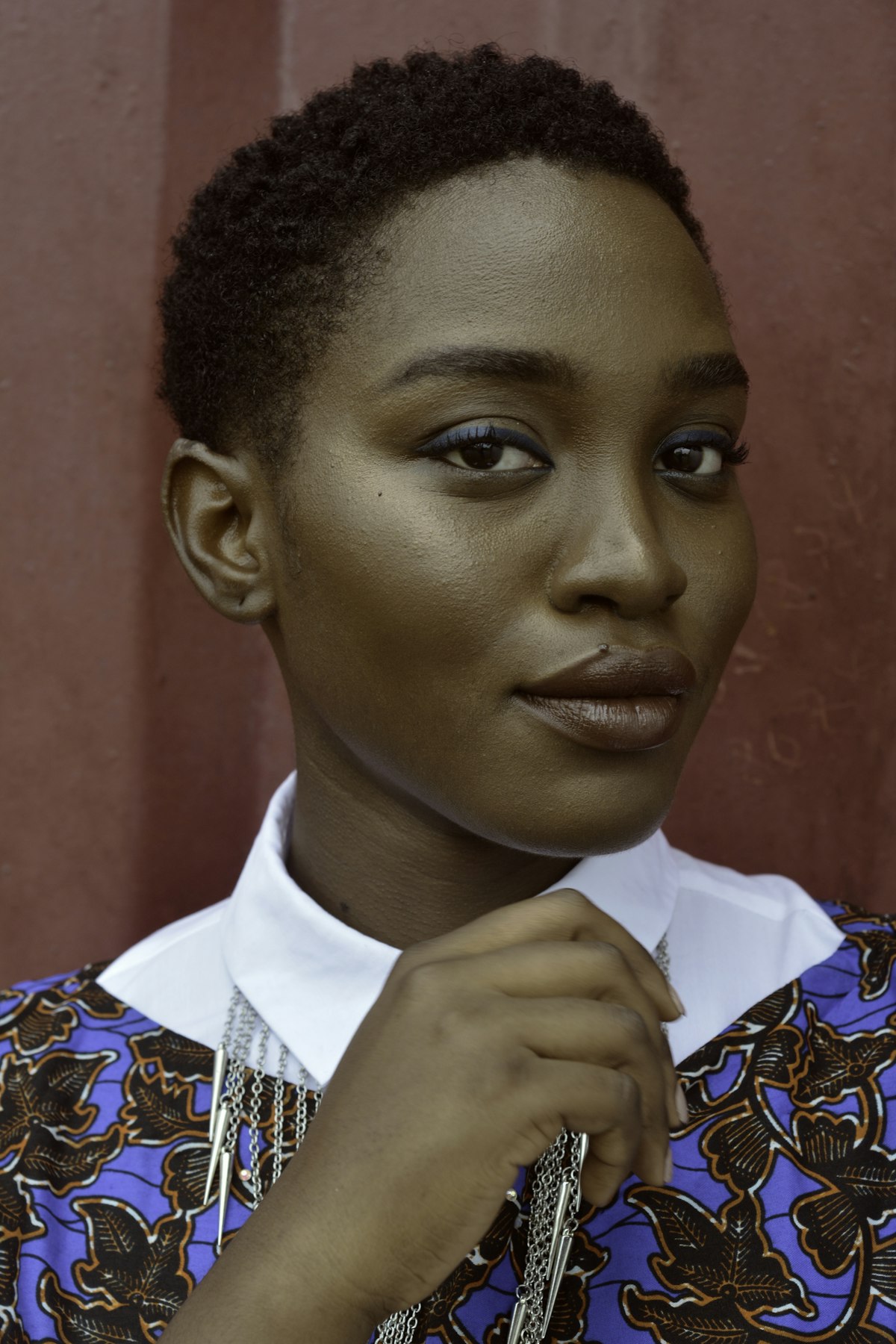
Most retouching tutorials assume a narrow range of skin types — usually fair to medium-toned, smooth skin. But real clients come with every possible combination of skin tone, texture, and type. Your retouching approach needs to adapt. Here’s what I’ve learned from retouching portraits across a wide range of skin types. Darker Skin Tones Darker skin has unique characteristics that affect how you retouch. Specular highlights are more visible. Darker skin reflects light differently, creating stronger, more distinct highlights especially on the forehead, nose, and cheekbones.