The Art of Natural Skin Retouching: Techniques That Look Like Real Skin

The Art of Natural Skin Retouching: Techniques That Look Like Real Skin

The Art of Natural Skin Retouching: Techniques That Look Like Real Skin When I first started retouching portraits, I made the same mistake many beginners do: I over-smoothed everything until faces looked plastic and lifeless. It wasn’t until I learned to think about skin as a living surface—with texture, dimension, and subtle imperfections that make someone recognizable—that my work transformed. Today, I want to share the philosophy and practical methods that’ve shaped how I approach skin retouching.

The Art of Natural Skin Retouching: My Step-by-Step Approach

The Art of Natural Skin Retouching: My Step-by-Step Approach

The Art of Natural Skin Retouching: My Step-by-Step Approach When I first started portrait retouching, I made the same mistake many beginners do—I over-smoothed everything until my clients looked like porcelain dolls. After years of refining my craft, I’ve learned that the best retouching is the kind people can’t quite see. We’re aiming for enhancement, not transformation. In this article, I’ll walk you through my exact workflow for achieving skin that looks naturally flawless.

The Art of Natural Skin Retouching: A Step-by-Step Guide

The Art of Natural Skin Retouching: A Step-by-Step Guide

The Art of Natural Skin Retouching: A Step-by-Step Guide When I first started retouching portraits, I made the same mistake many beginners do: I smoothed skin until it looked plastic. The turning point came when a mentor told me, “Your job isn’t to erase the person—it’s to reveal their best self.” That philosophy changed everything about how I approach skin retouching. Today, I want to share the techniques that transformed my work and can transform yours too.
The Art of Natural Skin Retouching: A Step-by-Step Guide to Flawless Portraits

The Art of Natural Skin Retouching: A Step-by-Step Guide to Flawless Portraits

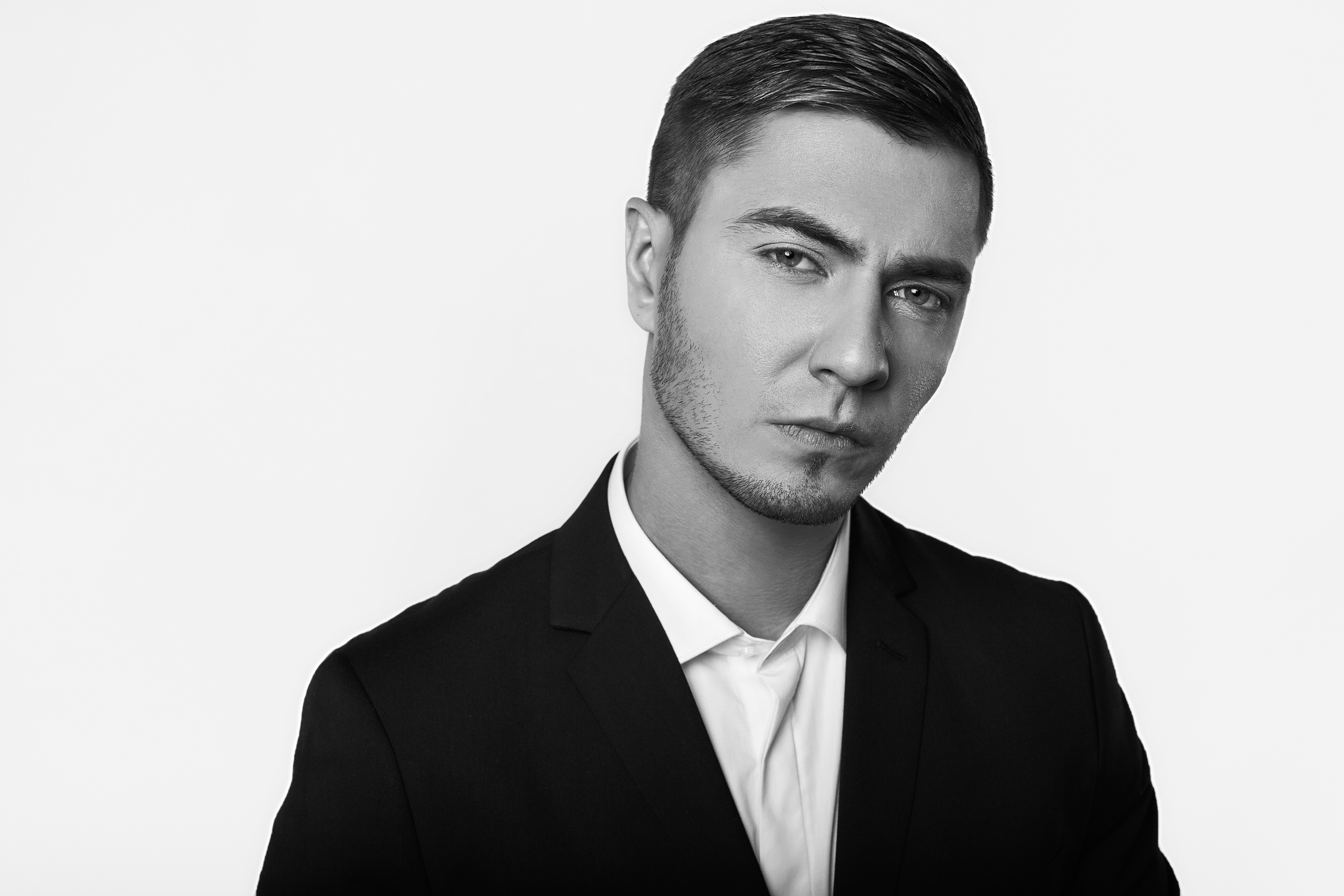
The Art of Natural Skin Retouching: A Step-by-Step Guide to Flawless Portraits I’ve spent years perfecting skin retouching, and I want to share what I’ve learned with you. The difference between amateur and professional results often comes down to one thing: knowing when to retouch and when to stop. Let me walk you through the process I use for every portrait that lands on my desk. Why Texture Matters More Than You Think Before we dive into tools and settings, I need to emphasize something crucial: the goal of skin retouching isn’t to create plastic-looking perfection.

The Art of Natural Beauty Editing: When Less is More

The Art of Natural Beauty Editing: When Less is More

The Art of Natural Beauty Editing: When Less is More I’ve spent the last decade refining my approach to beauty editing, and I’ve learned something that might surprise you: the best retouching work is often invisible. When clients ask me about my editing, they rarely believe I’ve done much at all—which is exactly the goal. The difference between amateur and professional beauty editing isn’t about creating flawless, plastic-looking skin. It’s about understanding which imperfections to address, which to soften, and which to leave entirely alone.

The Art of Natural Beauty Editing: Enhancing Without Overworking

The Art of Natural Beauty Editing: Enhancing Without Overworking

The Art of Natural Beauty Editing: Enhancing Without Overworking When I started my retouching journey, I made the same mistake most beginners do—I over-processed everything. Skin became plastic, pores disappeared entirely, and faces looked airbrushed in the worst way possible. It wasn’t until I shifted my mindset that I understood: beauty editing isn’t about creating perfection. It’s about revealing the best version of someone while keeping them recognizable. I want to share what I’ve learned about editing portraits in a way that feels natural, respectful, and genuinely beautiful.

Portrait Cleanup Essentials: Transform Your Photos with Precision

Portrait Cleanup Essentials: Transform Your Photos with Precision

Portrait Cleanup Essentials: Transform Your Photos with Precision When I first started retouching portraits, I realized that cleanup is where the magic happens. It’s not about creating something artificial—it’s about removing the everyday distractions that keep a beautiful moment from truly shining. Whether you’re working with a professional headshot or a candid family photo, portrait cleanup is a skill that transforms good images into ones you’re genuinely proud to share.

Portrait Cleanup Essentials: My Step-by-Step Guide to Flawless Skin

Portrait Cleanup Essentials: My Step-by-Step Guide to Flawless Skin

Portrait Cleanup Essentials: My Step-by-Step Guide to Flawless Skin When I first started retouching portraits, I thought cleanup meant removing every imperfection until the image looked airbrushed and plastic. I learned quickly that the magic lies in subtle enhancement—keeping skin looking real while making it radiant. Today, I’m sharing the approach that’s transformed how I approach portrait cleanup. What Portrait Cleanup Really Means Let me be clear about something: portrait cleanup isn’t about erasing someone’s humanity.

Master Color Correction for Flawless Portrait Retouching

Master Color Correction for Flawless Portrait Retouching

Master Color Correction for Flawless Portrait Retouching Color correction is where the magic happens in portrait retouching. I’ve found that even the most beautifully lit portrait can feel off if the color isn’t right. Whether you’re dealing with unflattering lighting conditions, mixed color temperatures, or just want to enhance skin tones, understanding color correction will transform your work. Let me walk you through the techniques I rely on every day.

Frequency Separation: The Game-Changing Technique for Flawless Skin

Frequency Separation: The Game-Changing Technique for Flawless Skin

Frequency Separation: The Game-Changing Technique for Flawless Skin When I first learned frequency separation, I felt like I’d unlocked a secret level in portrait retouching. This technique completely transformed how I approach skin editing—and I want to share exactly why it works and how you can master it too. Frequency separation lets us do something that feels almost magical: edit skin texture and skin tone separately. Before I understood this method, I’d spend hours trying to smooth blemishes without losing natural detail, or brightening skin tone without creating that plasticky, over-processed look.

Frequency Separation: The Game-Changing Technique for Flawless Portrait Skin

Frequency Separation: The Game-Changing Technique for Flawless Portrait Skin

Frequency Separation: The Game-Changing Technique for Flawless Portrait Skin When I first learned about frequency separation, it transformed how I approach portrait retouching. Instead of struggling to smooth skin without losing texture, or fix color issues without creating a plastic appearance, I suddenly had a technique that lets me work on these problems independently. If you’ve felt frustrated trying to retouch skin naturally, I’m excited to walk you through this method.

Frequency Separation: The Game-Changing Technique for Flawless Portrait Retouching

Frequency Separation: The Game-Changing Technique for Flawless Portrait Retouching

Frequency Separation: The Game-Changing Technique for Flawless Portrait Retouching When I first discovered frequency separation, I felt like I’d unlocked a secret level in portrait retouching. This technique transformed how I approach skin editing, giving me surgical precision over texture and color independently. If you’re ready to elevate your portrait work beyond basic blemish removal, I’m excited to walk you through this powerful method. What Is Frequency Separation? Frequency separation splits your image into two layers: one containing color and tone information (low frequency), and another capturing texture and detail (high frequency).