The Art of Natural Beauty Editing: When Less is More

The Art of Natural Beauty Editing: When Less is More

The Art of Natural Beauty Editing: When Less is More I’ve spent the last decade refining my approach to beauty editing, and I’ve learned something that might surprise you: the best retouching work is often invisible. When clients ask me about my editing, they rarely believe I’ve done much at all—which is exactly the goal. The difference between amateur and professional beauty editing isn’t about creating flawless, plastic-looking skin. It’s about understanding which imperfections to address, which to soften, and which to leave entirely alone.
The Art of Natural Beauty Editing: Enhancing Without Overdoing

The Art of Natural Beauty Editing: Enhancing Without Overdoing

The Art of Natural Beauty Editing: Enhancing Without Overdoing When I first started retouching portraits, I made the same mistake many beginners do: I over-edited. My subjects looked airbrushed and plastic—beautiful, sure, but not them anymore. Over the years, I’ve learned that the most powerful beauty edits are the ones people don’t notice. Today, I want to share what I’ve discovered about enhancing portraits while preserving that authentic, natural quality.

The Art of Eye Enhancement: Making Eyes Pop in Portrait Retouching

The Art of Eye Enhancement: Making Eyes Pop in Portrait Retouching

The Art of Eye Enhancement: Making Eyes Pop in Portrait Retouching When I’m editing a portrait, I always say that the eyes are where the magic happens. They’re the first thing viewers connect with, and enhancing them properly can transform an ordinary portrait into something truly captivating. Over the years, I’ve learned that great eye enhancement isn’t about making eyes look unnatural—it’s about bringing out what’s already there and adding just the right amount of polish.

The Art of Capturing Seasonal Beauty: What Cherry Blossoms Teach Us About Editing Light and Texture

The Art of Capturing Seasonal Beauty: What Cherry Blossoms Teach Us About Editing Light and Texture

A Decades-Long Study in Fleeting Beauty I recently learned about a photographer named Drew Geraci who has spent nearly two decades returning to Washington, D.C. each spring to photograph cherry blossoms. What struck me most wasn’t just his dedication—it was how his long-term project mirrors the delicate work we do in portrait retouching and beauty editing. When you commit to photographing the same subject across 17 years, you’re not just collecting images.

Portrait Cleanup Essentials: Transform Your Photos with Precision

Portrait Cleanup Essentials: Transform Your Photos with Precision

Portrait Cleanup Essentials: Transform Your Photos with Precision When I first started retouching portraits, I realized that cleanup is where the magic happens. It’s not about creating something artificial—it’s about removing the everyday distractions that keep a beautiful moment from truly shining. Whether you’re working with a professional headshot or a candid family photo, portrait cleanup is a skill that transforms good images into ones you’re genuinely proud to share.

Portrait Cleanup Essentials: My Step-by-Step Guide to Flawless Skin

Portrait Cleanup Essentials: My Step-by-Step Guide to Flawless Skin

Portrait Cleanup Essentials: My Step-by-Step Guide to Flawless Skin When I first started retouching portraits, I thought cleanup meant removing every imperfection until the image looked airbrushed and plastic. I learned quickly that the magic lies in subtle enhancement—keeping skin looking real while making it radiant. Today, I’m sharing the approach that’s transformed how I approach portrait cleanup. What Portrait Cleanup Really Means Let me be clear about something: portrait cleanup isn’t about erasing someone’s humanity.

Mastering Urban Portrait Retouching: A Complete Guide to the Bir Hakeim Bridge Technique

Mastering Urban Portrait Retouching: A Complete Guide to the Bir Hakeim Bridge Technique

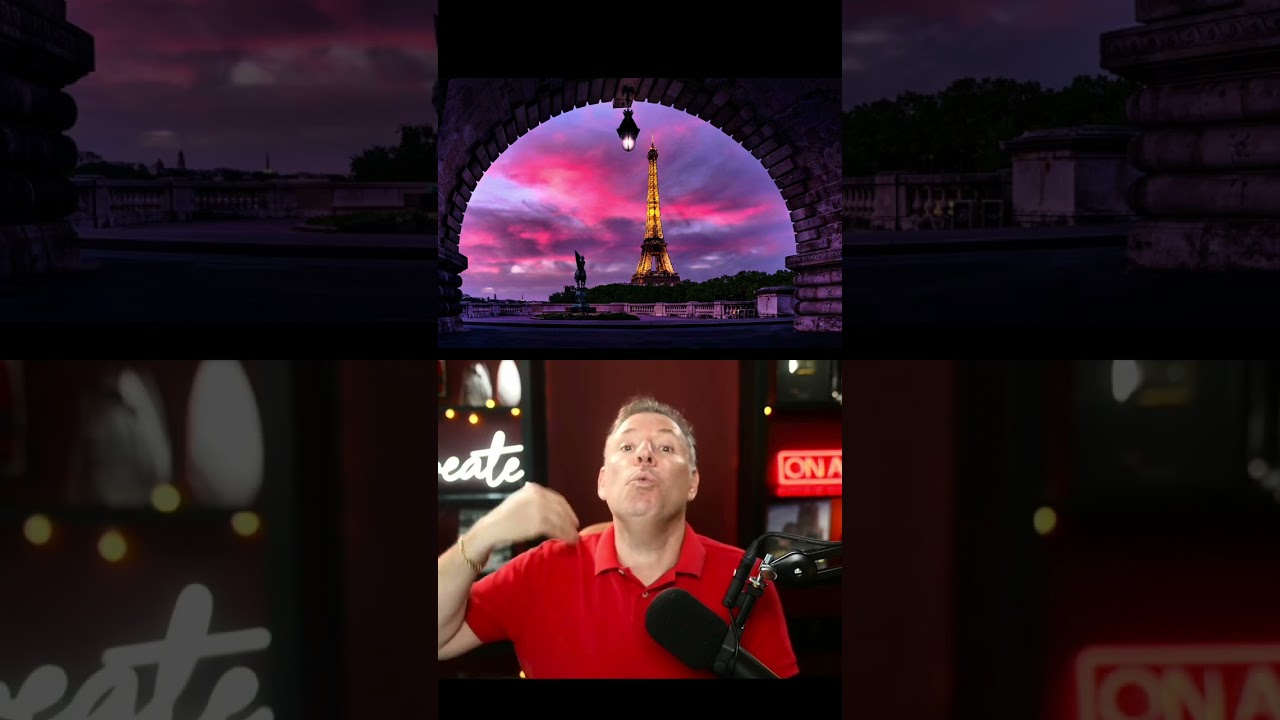
Mastering Urban Portrait Retouching: A Complete Guide to the Bir Hakeim Bridge Technique I’ve always found that some of the most transformative retouching lessons come from real-world shooting scenarios—especially when we’re working with the challenging lighting and composition that urban environments throw at us. In this excellent tutorial, Serge Ramelli shows us how to take a portrait shot at the iconic Bir Hakeim Bridge in Paris and transform it into a polished, professional image using systematic retouching and beauty editing techniques.

Mastering Dodge and Burn: Sculpting Light and Shadow in Portrait Retouching

Mastering Dodge and Burn: Sculpting Light and Shadow in Portrait Retouching

Mastering Dodge and Burn: Sculpting Light and Shadow in Portrait Retouching When I first started portrait retouching, I thought dodge and burn were just old darkroom tricks. But I’ve come to realize they’re one of the most powerful tools we have for sculpting faces and creating that coveted three-dimensional quality that separates amateur edits from polished professional work. Let me walk you through how I approach this technique, and I promise it’s more intuitive than it might sound.

How to Remove Blemishes in Photoshop: A Complete Guide to Flawless Skin Retouching

How to Remove Blemishes in Photoshop: A Complete Guide to Flawless Skin Retouching

How to Remove Blemishes in Photoshop: A Complete Guide to Flawless Skin Retouching When I started my journey in portrait retouching, I quickly realized that learning how to remove blemishes in Photoshop is one of the most valuable skills you can master. Whether you’re editing headshots, beauty photography, or personal portraits, blemish removal is fundamental to creating polished, professional-looking images. Here’s the thing: removing blemishes isn’t about making skin look artificial or plastic.

How AI Chat History Transfer Could Transform Your Retouching Workflow

How AI Chat History Transfer Could Transform Your Retouching Workflow

How AI Chat History Transfer Could Transform Your Retouching Workflow I’ve been watching the AI landscape evolve, and I’m genuinely excited about what Google is doing with Gemini’s newest update. They’re rolling out the ability to bring your conversation history and personal data from other AI platforms directly into Gemini—and honestly, this has some really interesting implications for those of us in the portrait retouching and beauty editing space. Why This Matters for Beauty Editors Here’s the thing: as retouchers and beauty editors, we’re constantly building relationships with our AI tools.

Frequency Separation: The Game-Changing Technique for Flawless Skin

Frequency Separation: The Game-Changing Technique for Flawless Skin

Frequency Separation: The Game-Changing Technique for Flawless Skin When I first learned frequency separation, I felt like I’d unlocked a secret level in portrait retouching. This technique completely transformed how I approach skin editing—and I want to share exactly why it works and how you can master it too. Frequency separation lets us do something that feels almost magical: edit skin texture and skin tone separately. Before I understood this method, I’d spend hours trying to smooth blemishes without losing natural detail, or brightening skin tone without creating that plasticky, over-processed look.

Frequency Separation Mastery: The Game-Changing Technique for Flawless Skin

Frequency Separation Mastery: The Game-Changing Technique for Flawless Skin

Frequency Separation Mastery: The Game-Changing Technique for Flawless Skin When I first discovered frequency separation, it completely transformed how I approach portrait retouching. This technique lets us separate texture from color and tone, giving us unprecedented control over skin refinement. Instead of fighting between smooth skin and natural detail, we get both. Let me walk you through exactly how to master this game-changing method. What Is Frequency Separation (And Why It Matters) Frequency separation splits an image into two layers: high-frequency (texture and fine details) and low-frequency (color, tone, and larger shapes).