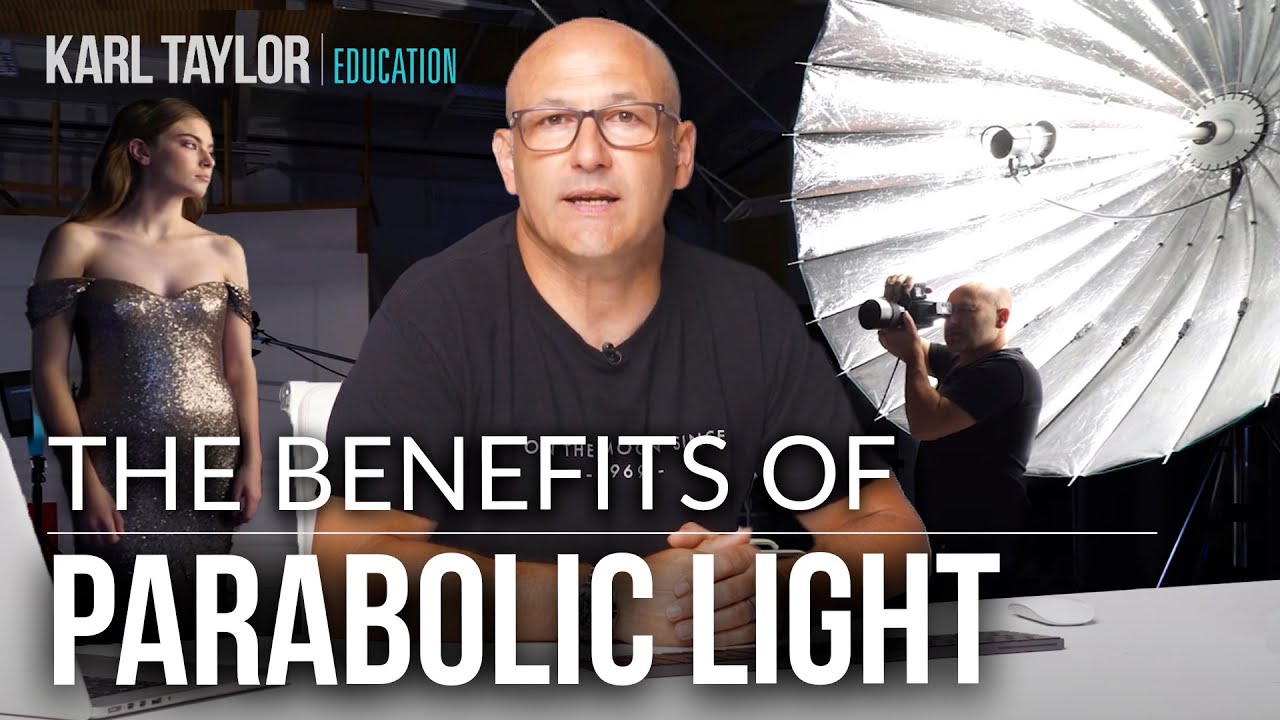
What Parabolic Lighting Actually Does to Skin (And Why It Changes How I Retouch)

What Parabolic Lighting Actually Does to Skin (And Why It Changes How I Retouch)

There’s a pattern I’ve noticed after years of retouching images for beauty brands: the shots that take me forty-five minutes to retouch and the ones that take three hours aren’t separated by the model’s skin, the makeup, or even the photographer’s skill level. They’re separated by the light. When the lighting is doing its job well, the skin already has dimension, the shadows fall cleanly, and my job becomes refinement rather than reconstruction.
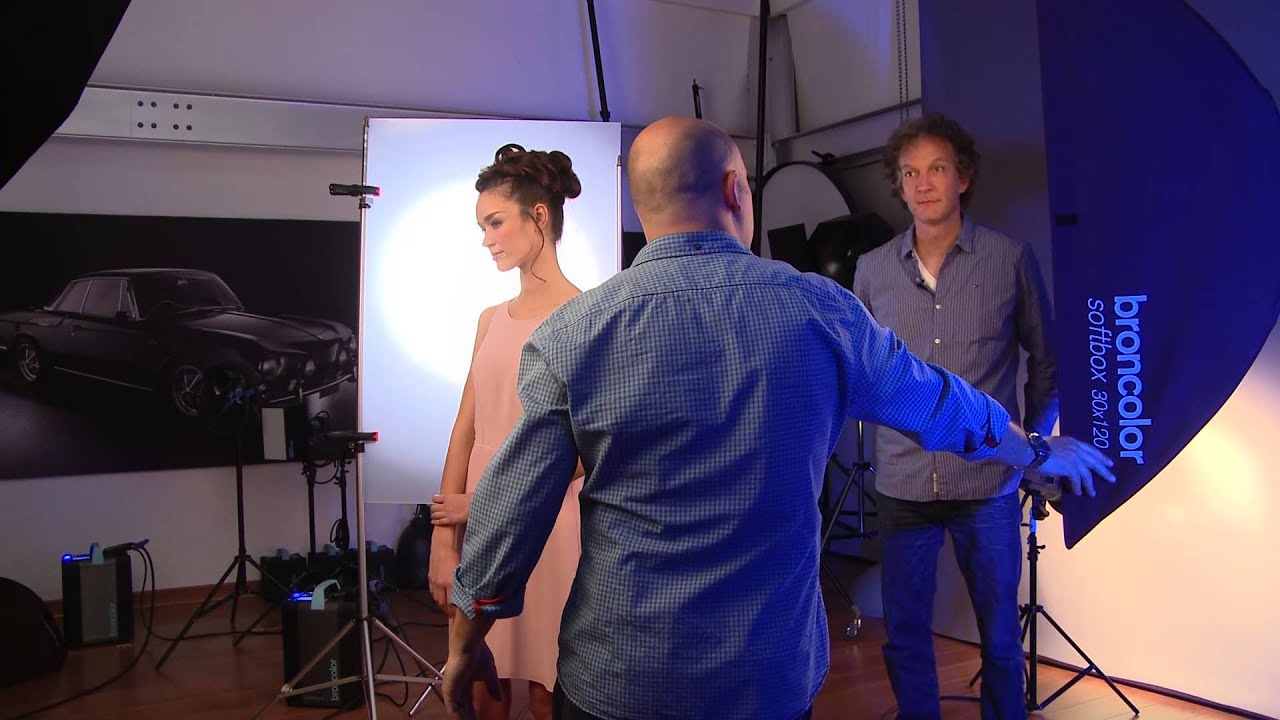
Two Lighting Setups, One Shoot: What This broncolor Tutorial Taught Me About Working Smarter with Beauty Portraits

Two Lighting Setups, One Shoot: What This broncolor Tutorial Taught Me About Working Smarter with Beauty Portraits

There’s a version of me from a few years back who would have watched a lighting tutorial like this and thought, “That’s a photographer thing, not a retoucher thing.” I used to believe my job started when the file landed in my inbox. What I’ve learned since then, mostly the hard way, is that understanding how an image was lit changes everything about how you retouch it. When I know where the shadows are supposed to fall, I don’t fight them.