The Art of Natural Skin Retouching: A Step-by-Step Guide to Flawless Portraits

The Art of Natural Skin Retouching: A Step-by-Step Guide to Flawless Portraits

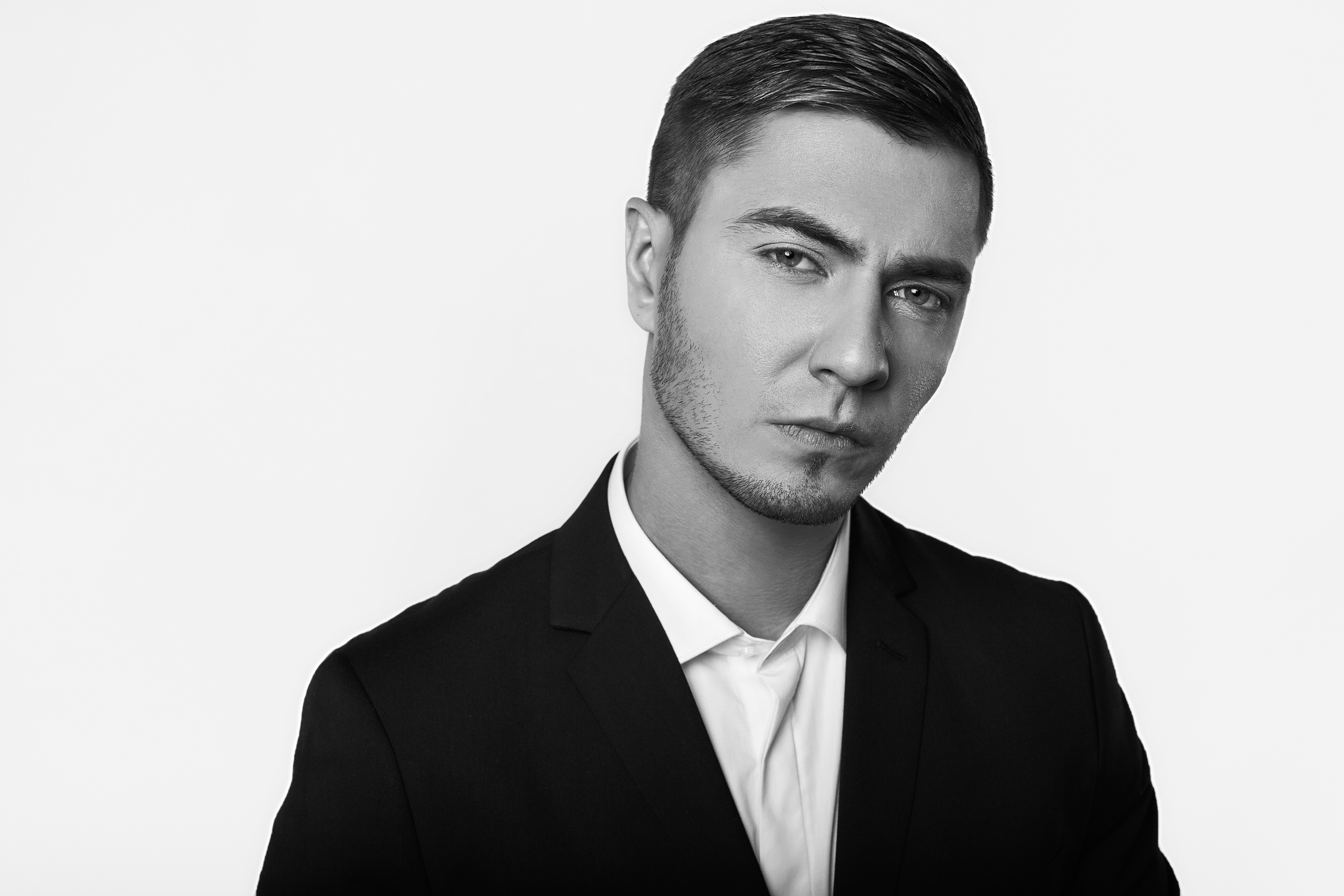
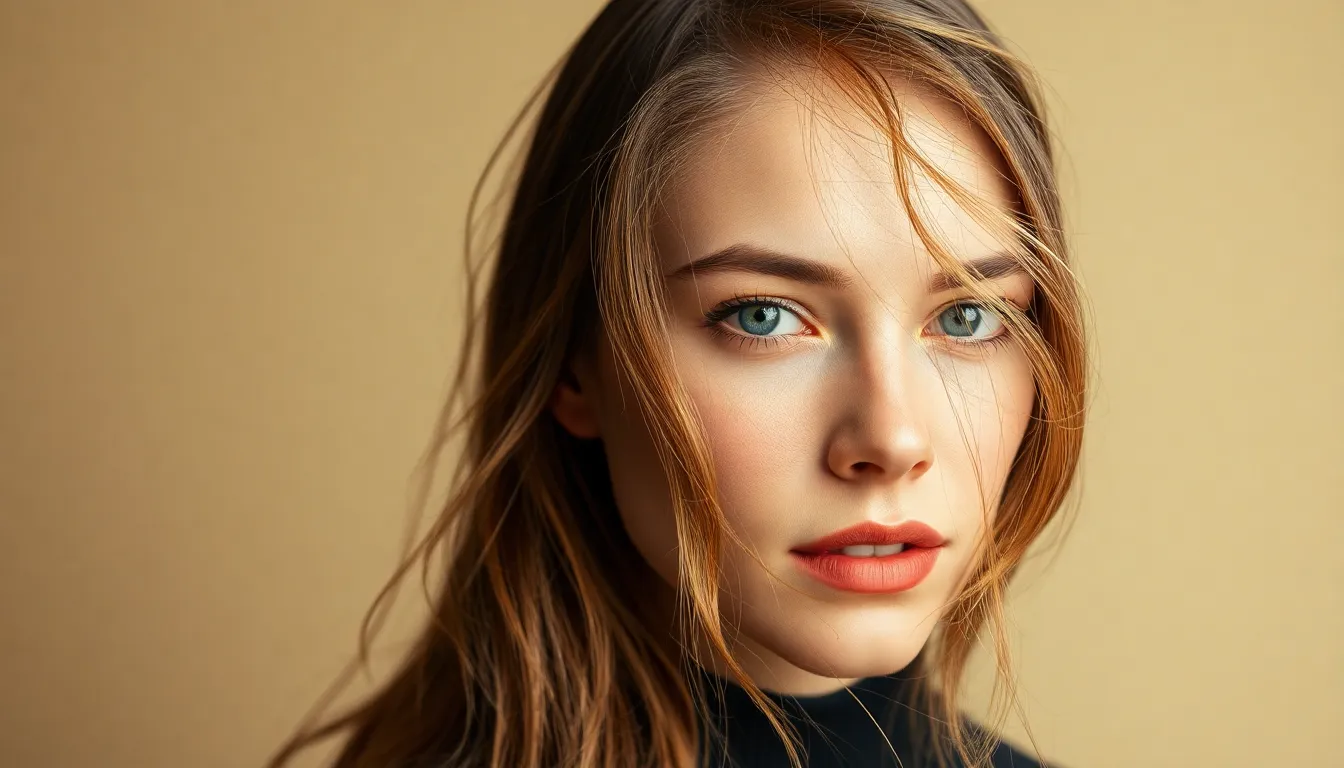
The Art of Natural Skin Retouching: A Step-by-Step Guide to Flawless Portraits I’ve spent years perfecting skin retouching, and I want to share what I’ve learned with you. The difference between amateur and professional results often comes down to one thing: knowing when to retouch and when to stop. Let me walk you through the process I use for every portrait that lands on my desk. Why Texture Matters More Than You Think Before we dive into tools and settings, I need to emphasize something crucial: the goal of skin retouching isn’t to create plastic-looking perfection.
The Art of Natural Makeup Retouching: Enhancing Beauty Without Looking Edited

The Art of Natural Makeup Retouching: Enhancing Beauty Without Looking Edited

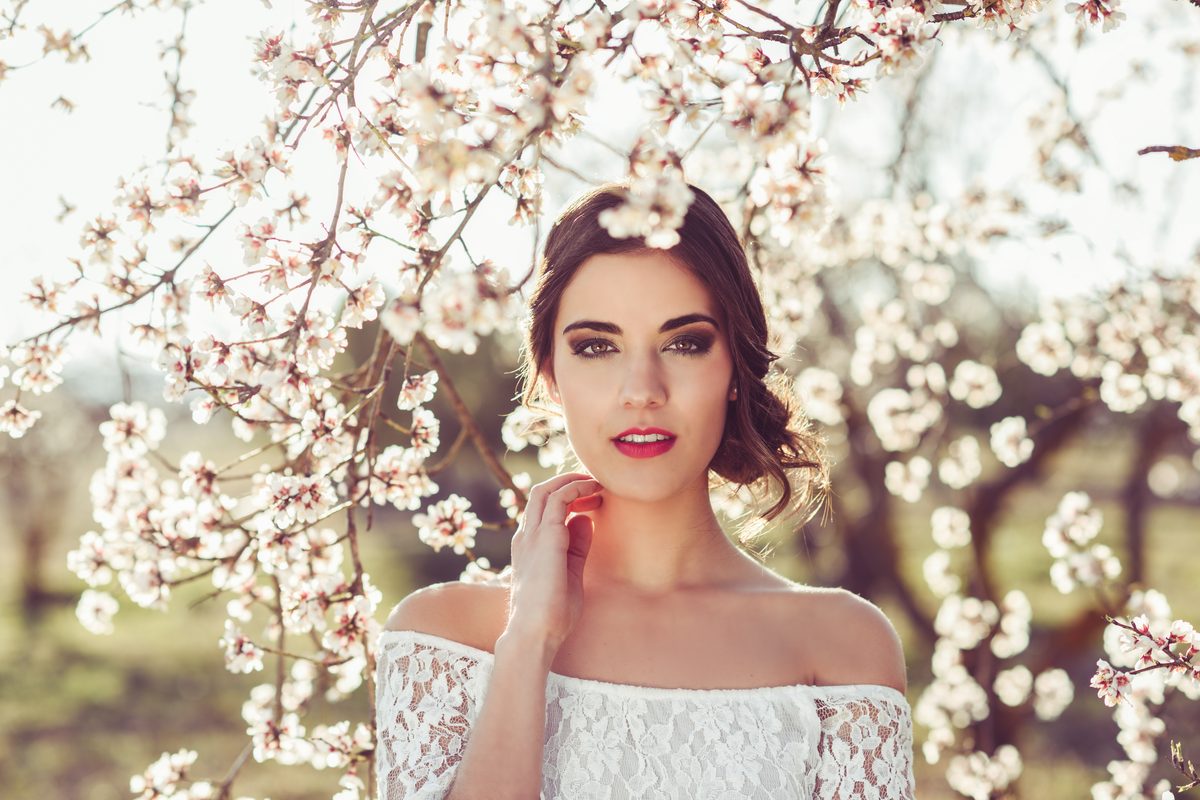
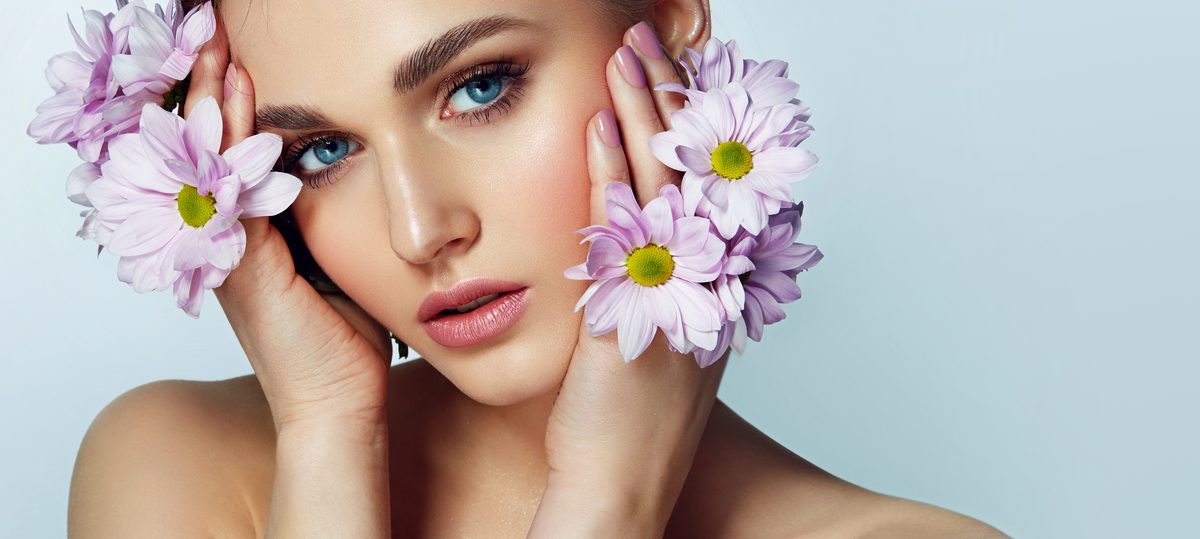
The Art of Natural Makeup Retouching: Enhancing Beauty Without Looking Edited When I first started retouching portraits, I made a common mistake—I over-edited the makeup. My clients looked airbrushed and plastic, which wasn’t what they wanted at all. I’ve since learned that the best makeup retouching is invisible. It enhances what’s already there while keeping skin looking human and real. Let me walk you through my approach. Understanding the Goal Before we touch a single brush, I ask myself: are we enhancing existing makeup, or creating a polished version of the client’s natural face?

The Art of Natural Hair Retouching: Making Flyaways Disappear Without Looking Fake

The Art of Natural Hair Retouching: Making Flyaways Disappear Without Looking Fake

The Art of Natural Hair Retouching: Making Flyaways Disappear Without Looking Fake When I first started retouching portraits, I made the same mistake many of us do: I over-smoothed everything. Hair looked plastic. Shine became artificial. I’ve learned that the best hair retouching is invisible—it enhances what’s already there rather than replacing it entirely. Let me walk you through my approach to hair retouching, so you can deliver portraits that look effortlessly beautiful.

The Art of Hair Retouching: Creating Natural, Polished Results

The Art of Hair Retouching: Creating Natural, Polished Results

The Art of Hair Retouching: Creating Natural, Polished Results When I first started retouching portraits, I thought hair was the easiest element to fix. A few brush strokes, some cloning, and done—right? Wrong. I quickly learned that hair retouching is actually one of the most nuanced skills in portrait editing. It requires patience, precision, and an understanding of how light interacts with individual strands. Today, I want to share what I’ve learned so we can approach hair retouching with confidence and create results that look genuinely polished, not overworked.

The Art of Hair Retouching: Creating Natural, Polished Portraits

The Art of Hair Retouching: Creating Natural, Polished Portraits

The Art of Hair Retouching: Creating Natural, Polished Portraits When we talk about portrait retouching, skin gets most of the attention—but I’ve learned that hair retouching is equally crucial to creating a truly polished final image. A beautifully edited portrait can still fall flat if the hair looks unnatural or neglected. Today, I want to share the specific techniques I use to enhance hair while keeping it looking authentic and dimensional.

The Art of Eye Enhancement: Making Eyes Pop in Portrait Retouching

The Art of Eye Enhancement: Making Eyes Pop in Portrait Retouching

The Art of Eye Enhancement: Making Eyes Pop in Portrait Retouching When I’m editing a portrait, I always say that the eyes are where the magic happens. They’re the first thing viewers connect with, and enhancing them properly can transform an ordinary portrait into something truly captivating. Over the years, I’ve learned that great eye enhancement isn’t about making eyes look unnatural—it’s about bringing out what’s already there and adding just the right amount of polish.

Mastering Night Light Beauty Photography: A Retouching Guide for Artificial Lighting

Mastering Night Light Beauty Photography: A Retouching Guide for Artificial Lighting

Mastering Night Light Beauty Photography: A Retouching Guide for Artificial Lighting I’ve been thinking a lot lately about how artificial lighting transforms portrait photography—and the unique retouching challenges it presents. When we shoot under neon signs, decorative lanterns, and street lights, we’re working with color casts and dynamic shadows that require a thoughtful editing approach. This is especially true when we want our subjects to look their absolute best. The Challenge of Colored Light Sources Shooting in environments like illuminated gardens or neon-lit streets creates an entirely different canvas than traditional studio lighting.

Mastering Dodge and Burn: Sculpting Light and Shadow in Portrait Retouching

Mastering Dodge and Burn: Sculpting Light and Shadow in Portrait Retouching

Mastering Dodge and Burn: Sculpting Light and Shadow in Portrait Retouching When I first started portrait retouching, I thought dodge and burn were just old darkroom tricks. But I’ve come to realize they’re one of the most powerful tools we have for sculpting faces and creating that coveted three-dimensional quality that separates amateur edits from polished professional work. Let me walk you through how I approach this technique, and I promise it’s more intuitive than it might sound.

Master Eye Enhancement: A Step-by-Step Guide to Captivating Portrait Eyes

Master Eye Enhancement: A Step-by-Step Guide to Captivating Portrait Eyes

Master Eye Enhancement: A Step-by-Step Guide to Captivating Portrait Eyes Eyes are the window to the soul—and they’re often the first thing we notice in a portrait. When we enhance eyes thoughtfully, we’re not creating something fake; we’re simply bringing out what’s already there. I’ve spent years perfecting eye enhancement techniques, and I’m excited to walk you through the process that’s transformed how I approach portrait retouching. Why Eye Enhancement Matters Before we dive into the how, let’s talk about the why.

Master Color Correction for Flawless Portrait Retouching

Master Color Correction for Flawless Portrait Retouching

Master Color Correction for Flawless Portrait Retouching Color correction is where the magic happens in portrait retouching. I’ve found that even the most beautifully lit portrait can feel off if the color isn’t right. Whether you’re dealing with unflattering lighting conditions, mixed color temperatures, or just want to enhance skin tones, understanding color correction will transform your work. Let me walk you through the techniques I rely on every day.

Makeup Retouching Essentials: How to Enhance Beauty Without Losing Authenticity

Makeup Retouching Essentials: How to Enhance Beauty Without Losing Authenticity

Makeup Retouching Essentials: How to Enhance Beauty Without Losing Authenticity When I first started retouching portraits, I made the same mistake many editors do: I over-edited the makeup. The skin looked plastic, the lips looked painted-on, and the final result screamed “retouched.” Over the years, I’ve learned that the best makeup retouching is the kind people don’t immediately notice. Today, I’m sharing the techniques that have transformed how I approach this delicate work.

Hair Retouching in Portraits: The Art of Natural Enhancement

Hair Retouching in Portraits: The Art of Natural Enhancement

Hair Retouching in Portraits: The Art of Natural Enhancement When we’re retouching portraits, hair often gets overlooked—but it shouldn’t. Beautiful hair can completely transform a portrait, while poorly executed hair edits are immediately noticeable and can undo all your other hard work. I’ve spent years perfecting hair retouching techniques, and I’m excited to share what I’ve learned with you. The key to successful hair retouching is understanding that less is often more.