Mastering Urban Portrait Retouching: A Complete Guide to the Bir Hakeim Bridge Technique

Mastering Urban Portrait Retouching: A Complete Guide to the Bir Hakeim Bridge Technique

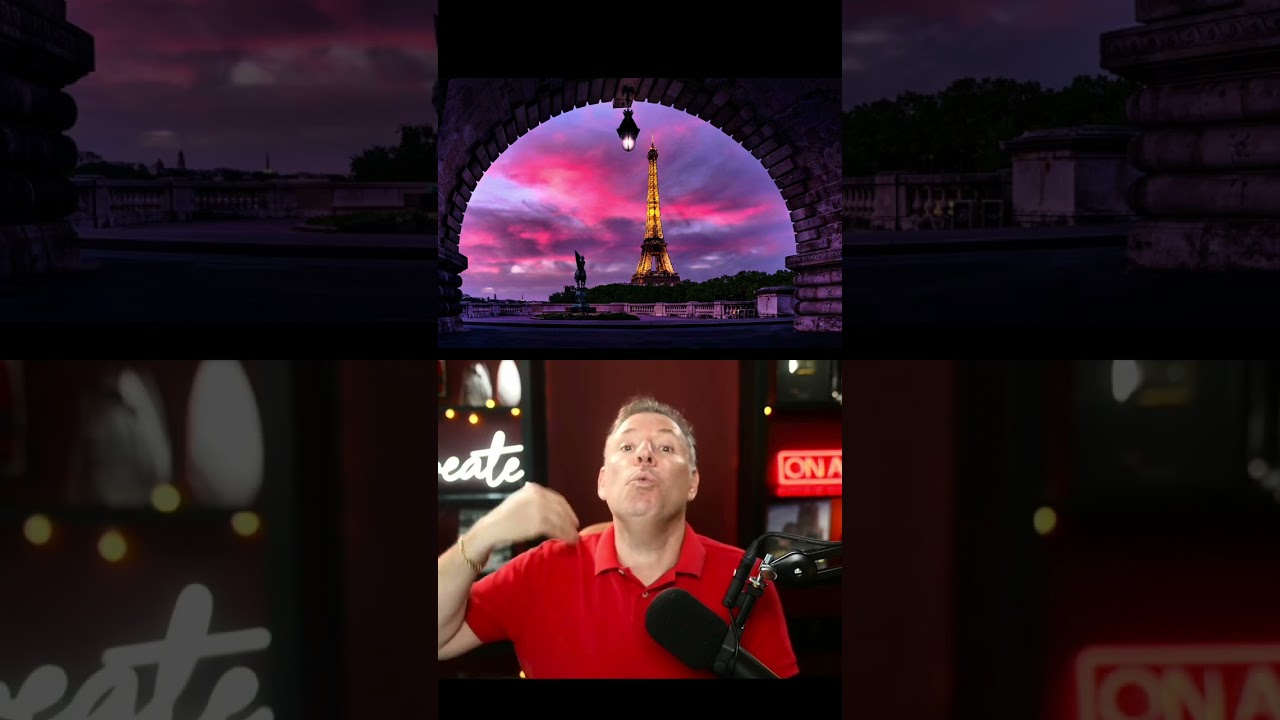
Mastering Urban Portrait Retouching: A Complete Guide to the Bir Hakeim Bridge Technique I’ve always found that some of the most transformative retouching lessons come from real-world shooting scenarios—especially when we’re working with the challenging lighting and composition that urban environments throw at us. In this excellent tutorial, Serge Ramelli shows us how to take a portrait shot at the iconic Bir Hakeim Bridge in Paris and transform it into a polished, professional image using systematic retouching and beauty editing techniques.
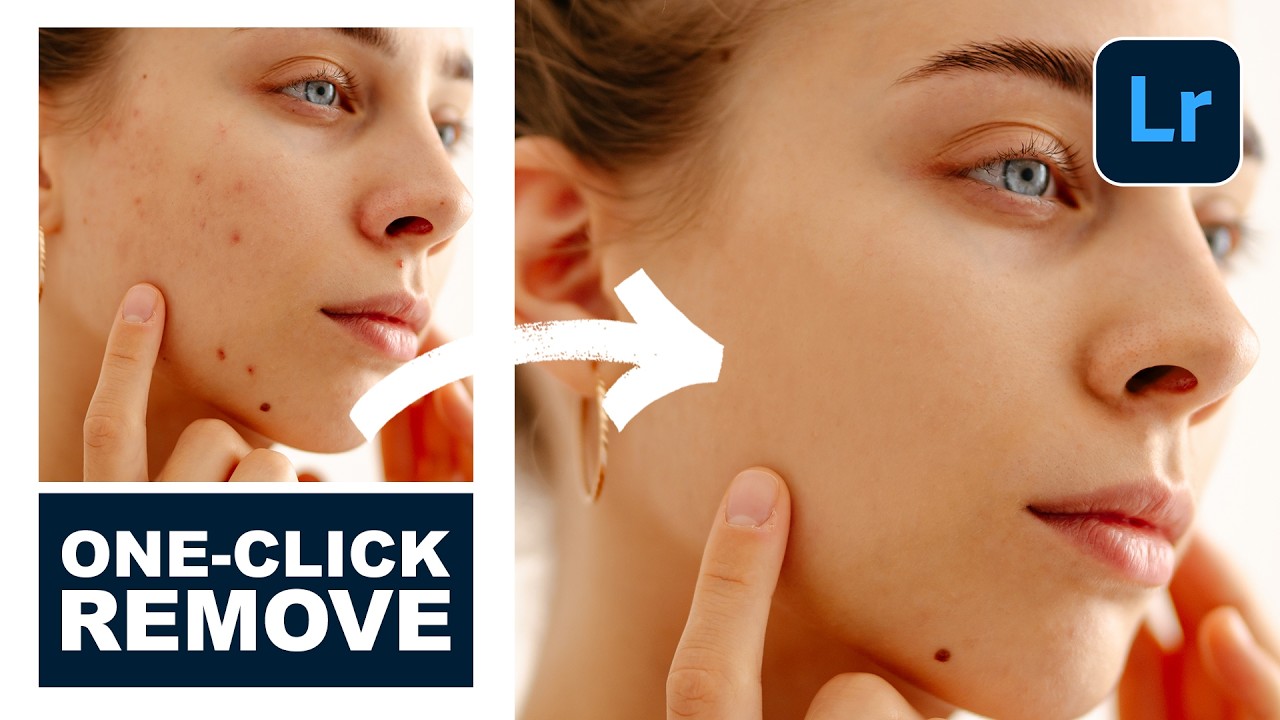
How to Use Lightroom Mobile's New AI Blemishes Tool for Professional Portrait Retouching

How to Use Lightroom Mobile's New AI Blemishes Tool for Professional Portrait Retouching

I’ve been following the rapid evolution of AI-powered editing tools, and I have to say—Lightroom Mobile’s new Blemishes tool is genuinely impressive. In this excellent tutorial, Aaron Nace (PHLEARN) shows us how to leverage this intelligent feature to achieve professional-quality skin retouching right from our phones. Let me break down exactly how this works and share some insights I’ve picked up from testing it myself. What Makes This Tool Different? Before we dive into the steps, I want to clarify why I’m excited about this feature.

Frequency Separation Mastery: The Game-Changing Technique for Flawless Skin

Frequency Separation Mastery: The Game-Changing Technique for Flawless Skin

Frequency Separation Mastery: The Game-Changing Technique for Flawless Skin When I first discovered frequency separation, it completely transformed how I approach portrait retouching. This technique lets us separate texture from color and tone, giving us unprecedented control over skin refinement. Instead of fighting between smooth skin and natural detail, we get both. Let me walk you through exactly how to master this game-changing method. What Is Frequency Separation (And Why It Matters) Frequency separation splits an image into two layers: high-frequency (texture and fine details) and low-frequency (color, tone, and larger shapes).

Finding Beauty in Motion: What Bird Photography Teaches Us About Portrait Retouching

Finding Beauty in Motion: What Bird Photography Teaches Us About Portrait Retouching

The Unexpected Connection Between Wildlife and Portrait Work I’ve been thinking a lot lately about the parallels between two seemingly different photography disciplines: capturing birds in flight and perfecting human portraits through skillful retouching. While they exist in different realms, both demand an understanding of light, movement, and the subtle details that make a subject truly shine. Recent conversations within the photography community have highlighted something I find fascinating—the technical rigor required for bird photography teaches lessons that directly transfer to our work in portrait beauty editing.

Dodge and Burn: The Secret Weapon for Sculpting Perfect Portraits

Dodge and Burn: The Secret Weapon for Sculpting Perfect Portraits

Dodge and Burn: The Secret Weapon for Sculpting Perfect Portraits When I first started retouching portraits, I thought perfect skin was everything. Then a mentor showed me dodge and burn, and everything changed. Suddenly, I could sculpt cheekbones, define jawlines, and add dimension that made portraits come alive. Today, I want to share this transformative technique with you. Dodge and burn isn’t just a tool—it’s a philosophy of subtle enhancement. We’re mimicking how light naturally falls on the face, strategically brightening and darkening areas to guide the viewer’s eye and enhance the subject’s best features.

Dodge and Burn: The Sculpting Technique Every Portrait Retoucher Needs

Dodge and Burn: The Sculpting Technique Every Portrait Retoucher Needs

Dodge and Burn: The Sculpting Technique Every Portrait Retoucher Needs When I first learned dodge and burn, everything changed about how I approached portrait retouching. This isn’t just another Photoshop tool—it’s the difference between a flat, processed-looking edit and a photo that looks naturally refined. I’m excited to walk you through this technique because once you master it, you’ll use it on nearly every portrait you touch. What Dodge and Burn Actually Does Let me be direct: dodge and burn is digital sculpting.

Dodge and Burn: The Portrait Retoucher's Secret to Sculpting Light

Dodge and Burn: The Portrait Retoucher's Secret to Sculpting Light

Dodge and Burn: The Portrait Retoucher’s Secret to Sculpting Light When I first learned dodge and burn, I realized I’d been missing one of the most powerful tools in portrait retouching. These techniques—borrowed from the darkroom days of film photography—let us selectively lighten and darken areas of a portrait to sculpt dimension, enhance features, and create that coveted professional polish. I want to walk you through how we can use them effectively without overdoing it.

Dodge and Burn: The Art of Sculpting Light in Portrait Retouching

Dodge and Burn: The Art of Sculpting Light in Portrait Retouching

Dodge and Burn: The Art of Sculpting Light in Portrait Retouching I still remember the first time I truly understood dodge and burn. I was working on a beauty portrait, and no amount of basic adjustments seemed to give the face the dimension it needed. Then it clicked—I wasn’t just editing; I was sculpting light itself. That realization transformed how I approach every portrait that comes across my desk. Dodge and burn is one of the most powerful yet misunderstood tools in our retouching arsenal.

Do You Really Need a Color-Calibrated Monitor for Retouching? Yes — Here's Why

Do You Really Need a Color-Calibrated Monitor for Retouching? Yes — Here's Why

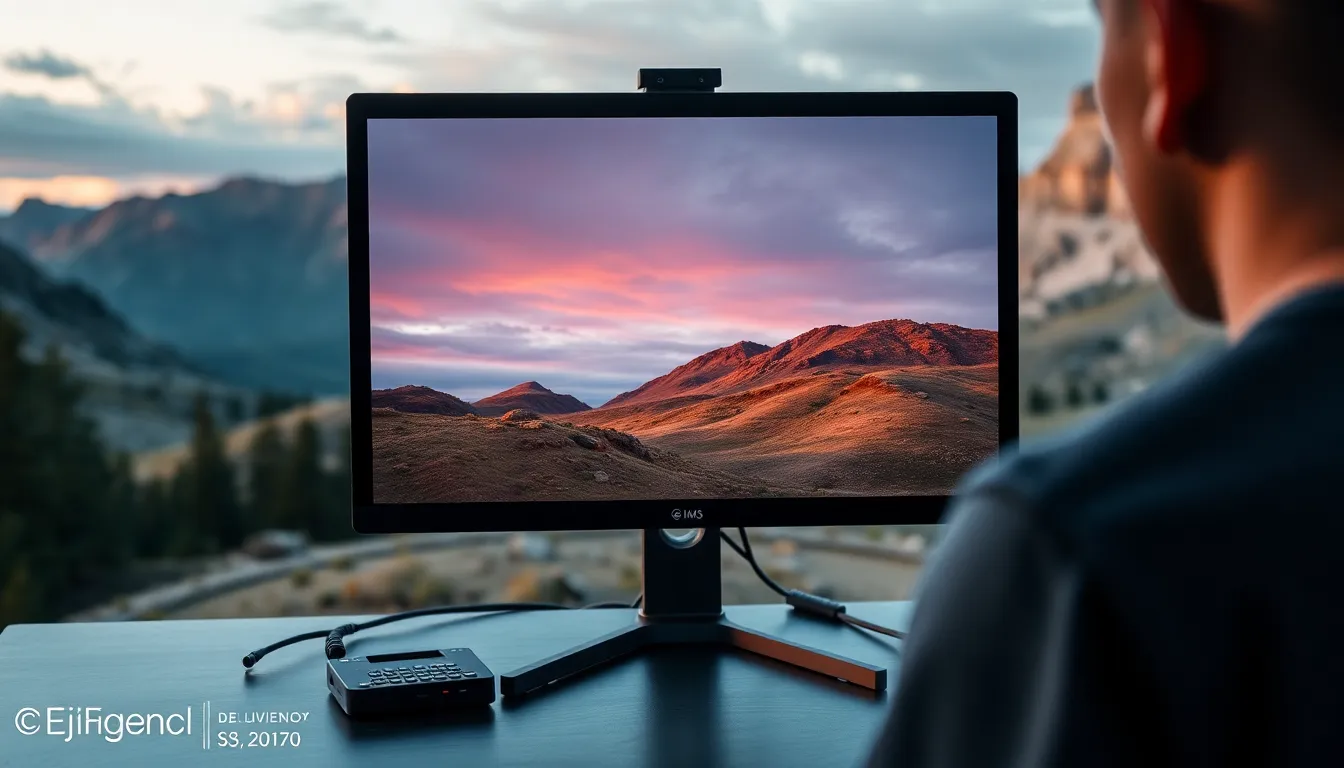
Do You Really Need a Color-Calibrated Monitor for Retouching? Yes — Here’s Why I’m going to be honest with you: when I first started retouching portraits, I thought color calibration was something only “real” professionals needed to worry about. I worked on my laptop screen for nearly two years, wondering why my skin tones looked so different when clients received their edited images. The answer, I eventually learned, was staring me right in the face—literally.