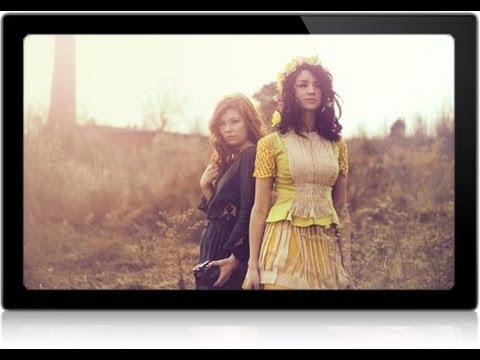
Cool, Washed-Out Skin Tones? Here's the Color Correction Workflow That Actually Fixes Them

Cool, Washed-Out Skin Tones? Here's the Color Correction Workflow That Actually Fixes Them

There’s a specific kind of frustration I know well from my early retouching days: an image that is technically good in almost every way, except the subject’s skin looks slightly blue, slightly flat, slightly wrong. The background reads beautifully. The composition is strong. But the skin tone pulls you out of the photo entirely, and no amount of staring at it tells you exactly what to fix. I spent an embarrassing amount of time in my first retouching years just dragging sliders around hoping something would click.

Canon vs Sony Skin Tones: What the Difference Actually Looks Like (And How to Fix It)

Canon vs Sony Skin Tones: What the Difference Actually Looks Like (And How to Fix It)

Every few months I get a file from a photographer who has just switched camera systems, and they cannot figure out why their skin tones look off. The exposure is fine, the white balance reads correct, but something about the color just feels wrong. Before I learned to diagnose this properly, I would chase it around in the HSL panel for twenty minutes and usually make things worse. What I needed was a clear, side-by-side explanation of what these sensors are actually doing to color, not just vague reassurances that “every camera renders differently.

Mastering Night Light Beauty Photography: A Retouching Guide for Artificial Lighting

Mastering Night Light Beauty Photography: A Retouching Guide for Artificial Lighting

Mastering Night Light Beauty Photography: A Retouching Guide for Artificial Lighting I’ve been thinking a lot lately about how artificial lighting transforms portrait photography—and the unique retouching challenges it presents. When we shoot under neon signs, decorative lanterns, and street lights, we’re working with color casts and dynamic shadows that require a thoughtful editing approach. This is especially true when we want our subjects to look their absolute best. The Challenge of Colored Light Sources Shooting in environments like illuminated gardens or neon-lit streets creates an entirely different canvas than traditional studio lighting.