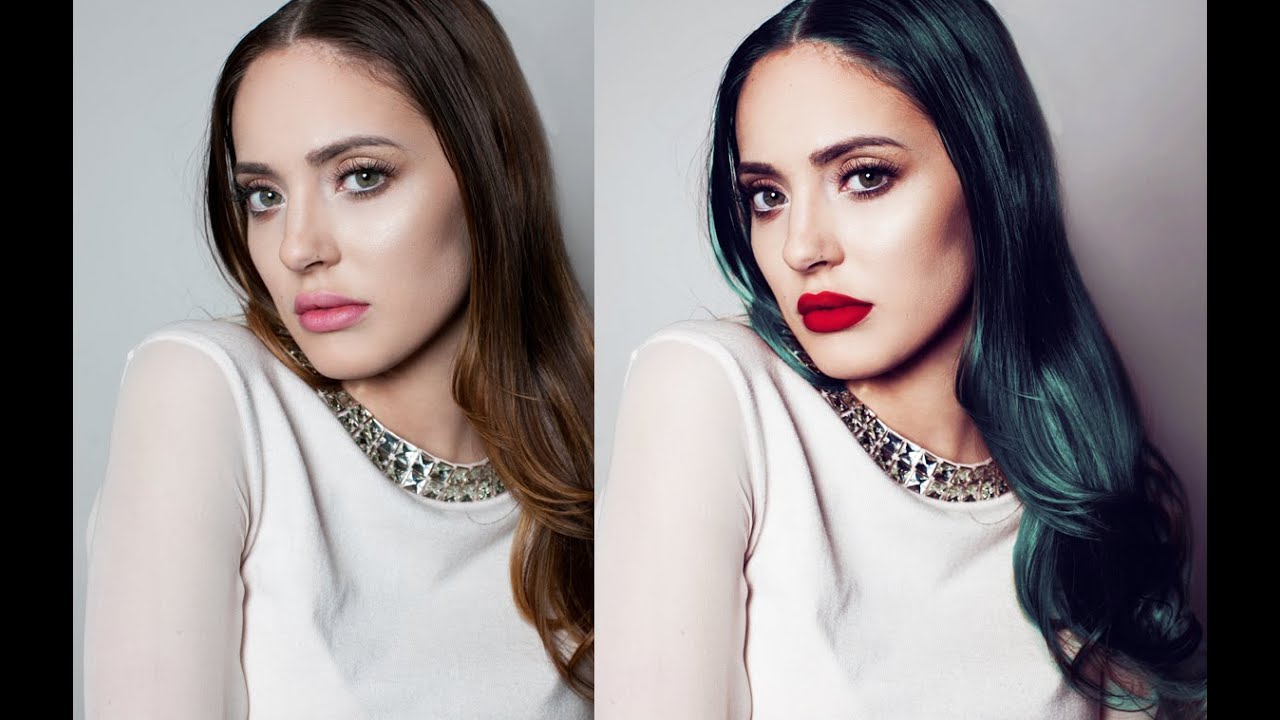
How to Color Hair Realistically in Photoshop Using Quick Mask and Curves

How to Color Hair Realistically in Photoshop Using Quick Mask and Curves

One of the trickiest requests I get from beauty clients is changing or enhancing hair color without it looking like someone ran a filter over a stock photo. For a long time, my go-to was Hue/Saturation on a clipped layer, and it worked fine, until a client pointed out that the color looked “painted on.” That one comment sent me deep into researching better workflows, and I’ve never fully recovered. What I’ve landed on is a combination of Quick Mask selection, Curves for contrast and base color, and a clipped Hue/Saturation layer on top.
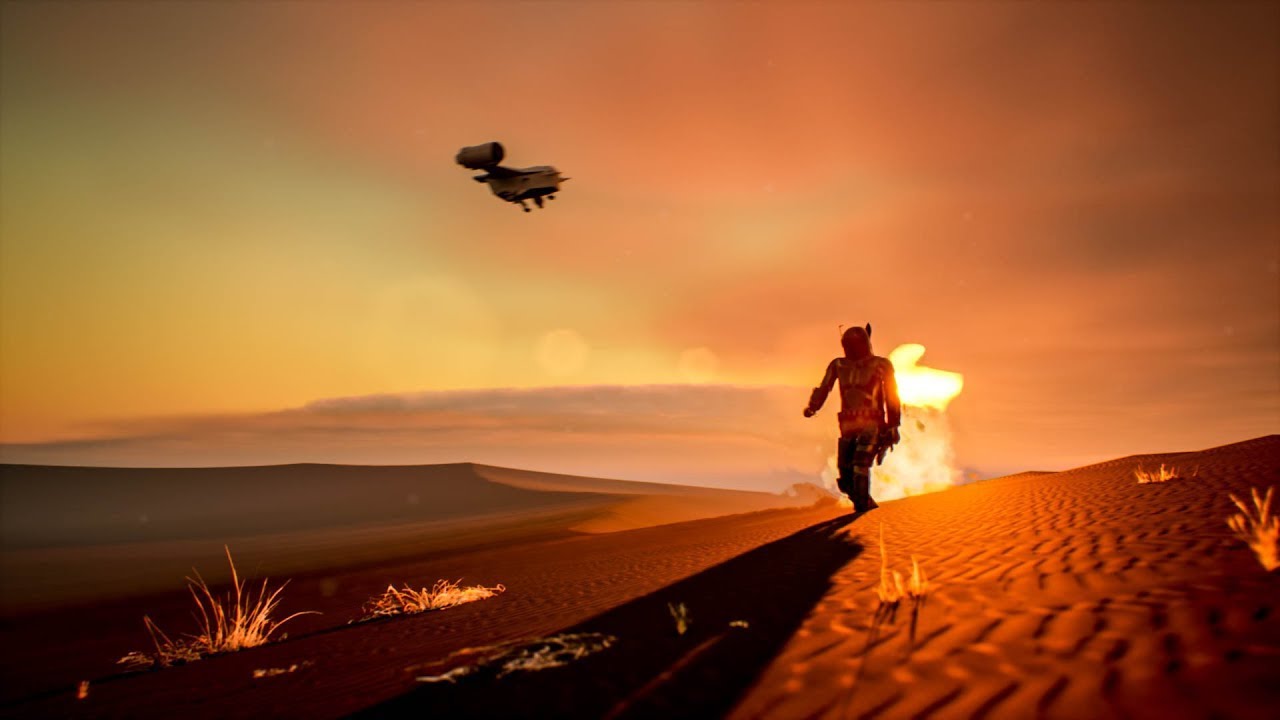
What a Mandalorian Scene Taught Me About Cinematic Light (And Why It Matters for Beauty Work)

What a Mandalorian Scene Taught Me About Cinematic Light (And Why It Matters for Beauty Work)

There’s a moment in almost every beauty retouching project where the background just isn’t working. The studio wall is too flat, the location shot has distracting elements, and stock photos feel like stock photos no matter how well you blend them. I spent a long time solving this problem with Photoshop alone, layering textures and painting light, and the results were fine. Fine is not what we’re going for. What I actually wanted were environments that felt cinematic, dimensional, and completely under my control.