The Complete Guide to Color Correction in Portrait Retouching

The Complete Guide to Color Correction in Portrait Retouching

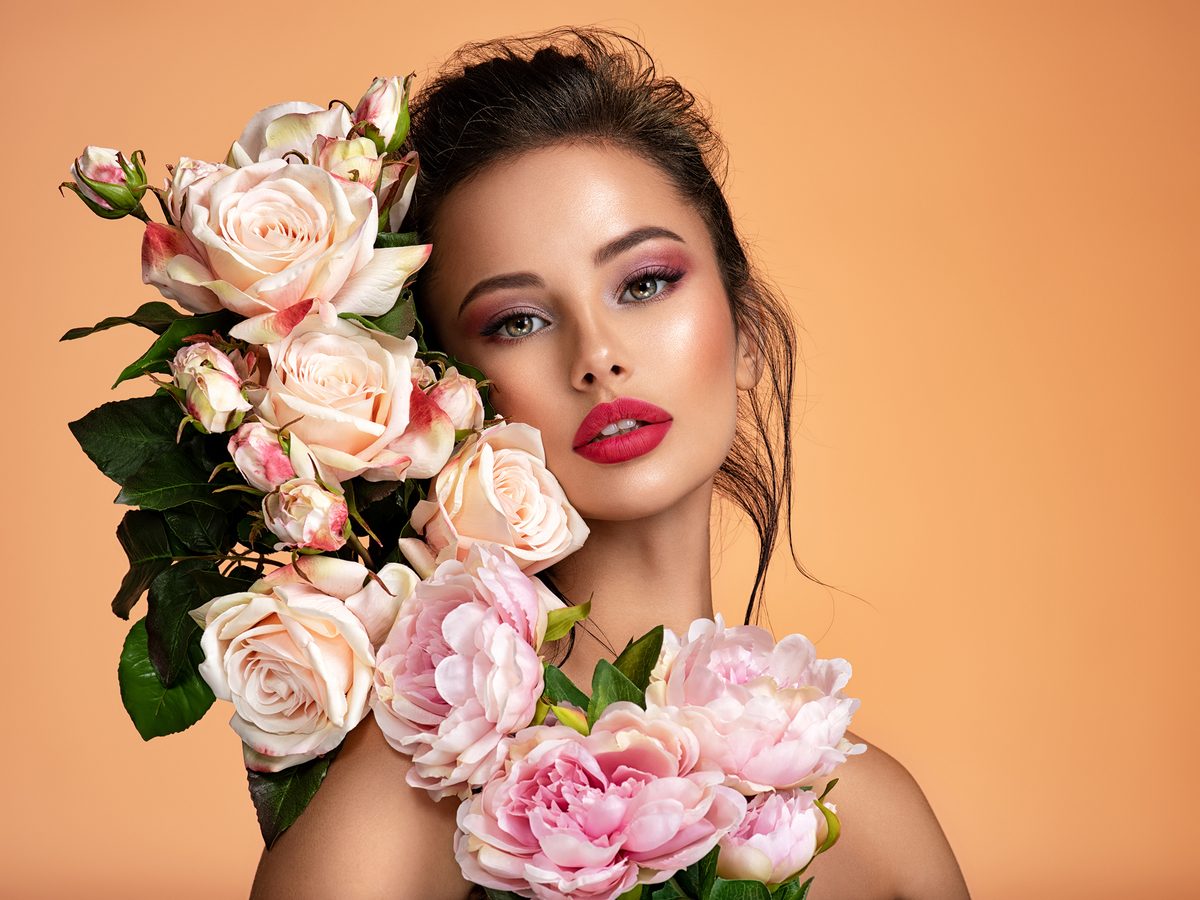
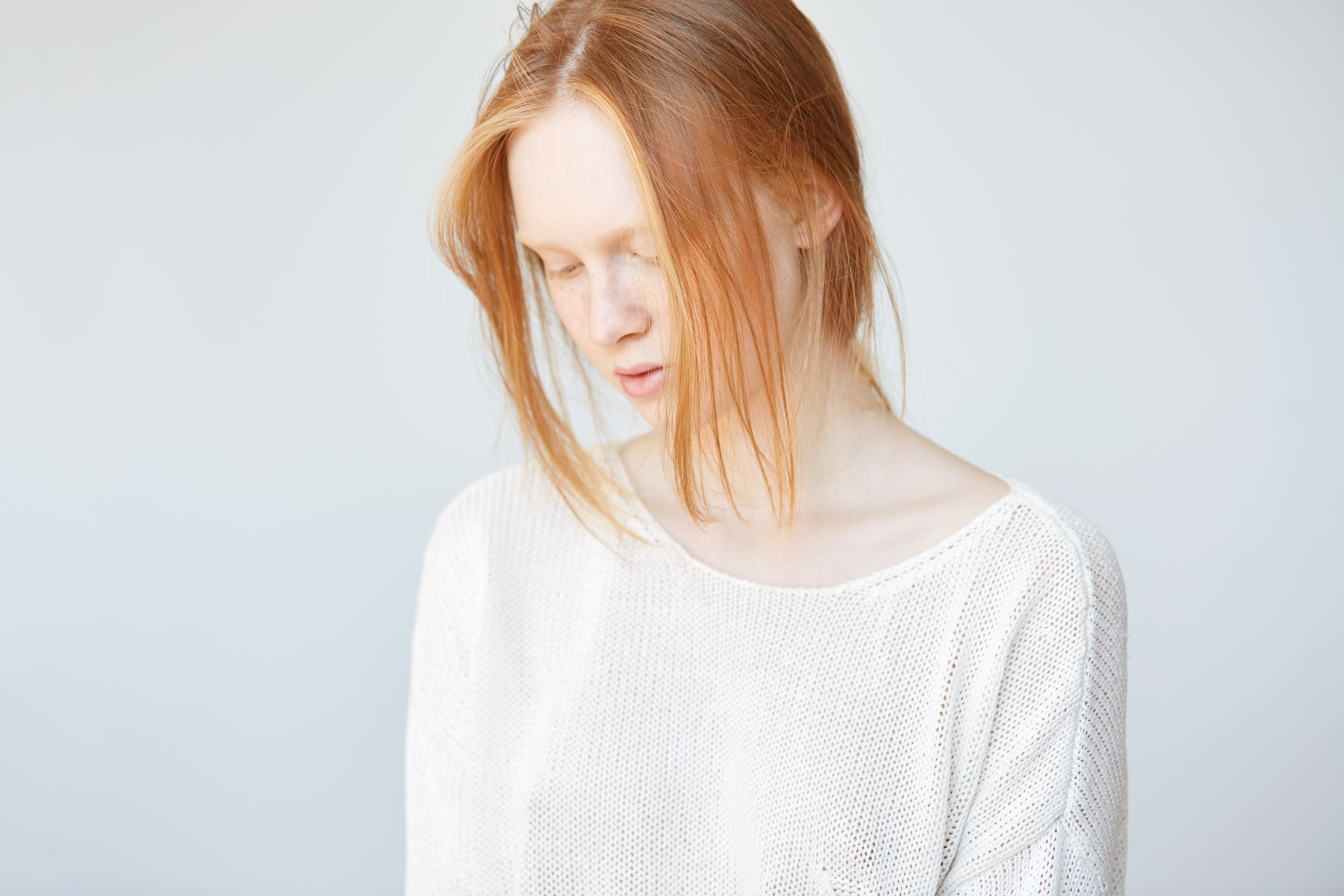
The Complete Guide to Color Correction in Portrait Retouching Color correction is where portraiture truly comes alive. I’ve learned that even the most beautifully lit portrait can fall flat if the colors aren’t working in harmony. Whether you’re editing a single headshot or batch processing from a wedding, understanding color correction fundamentally changes how your portraits feel and how your clients respond to them. Let me walk you through the techniques I use daily to transform color in my retouching workflow.


The Best Photoshop Brushes for Portrait Retouching

The Best Photoshop Brushes for Portrait Retouching

You don’t need hundreds of brushes for portrait retouching. You need about five, configured correctly. Most professional retouchers use a surprisingly small set of brushes and rely on pressure sensitivity and blend modes to get different effects. Here’s my working brush kit and how I use each one. 1. The Soft Round Brush (Your Workhorse) This is Photoshop’s default round brush with hardness set to 0%. You’ll use this for 70% of your retouching work.

The Art of Subtle Skin Retouching: Keeping Your Portraits Natural

The Art of Subtle Skin Retouching: Keeping Your Portraits Natural

The Art of Subtle Skin Retouching: Keeping Your Portraits Natural When I first started retouching portraits, I made the same mistake most of us do: I went too far. Every portrait looked flawless in an uncanny way—poreless, featureless, and frankly, not quite human. It took years for me to understand that the best skin retouching isn’t about creating perfection. It’s about creating confidence. The goal we’re aiming for is simple: enhance what’s already beautiful while preserving the character, texture, and authenticity that makes a portrait compelling.

The Art of Subtle Skin Retouching: A Step-by-Step Guide to Natural Results

The Art of Subtle Skin Retouching: A Step-by-Step Guide to Natural Results

The Art of Subtle Skin Retouching: A Step-by-Step Guide to Natural Results When I first started retouching portraits, I thought more editing meant better results. I was wrong. The best skin retouching is invisible—it enhances what’s already there without making someone look like a porcelain doll. Over the years, I’ve learned that restraint is actually our greatest skill as retouchers. Today, I want to share the approach that’s transformed my work and hopefully will transform yours too.

The Art of Subtle Makeup Retouching: Enhancing Beauty Without Overdoing It

The Art of Subtle Makeup Retouching: Enhancing Beauty Without Overdoing It

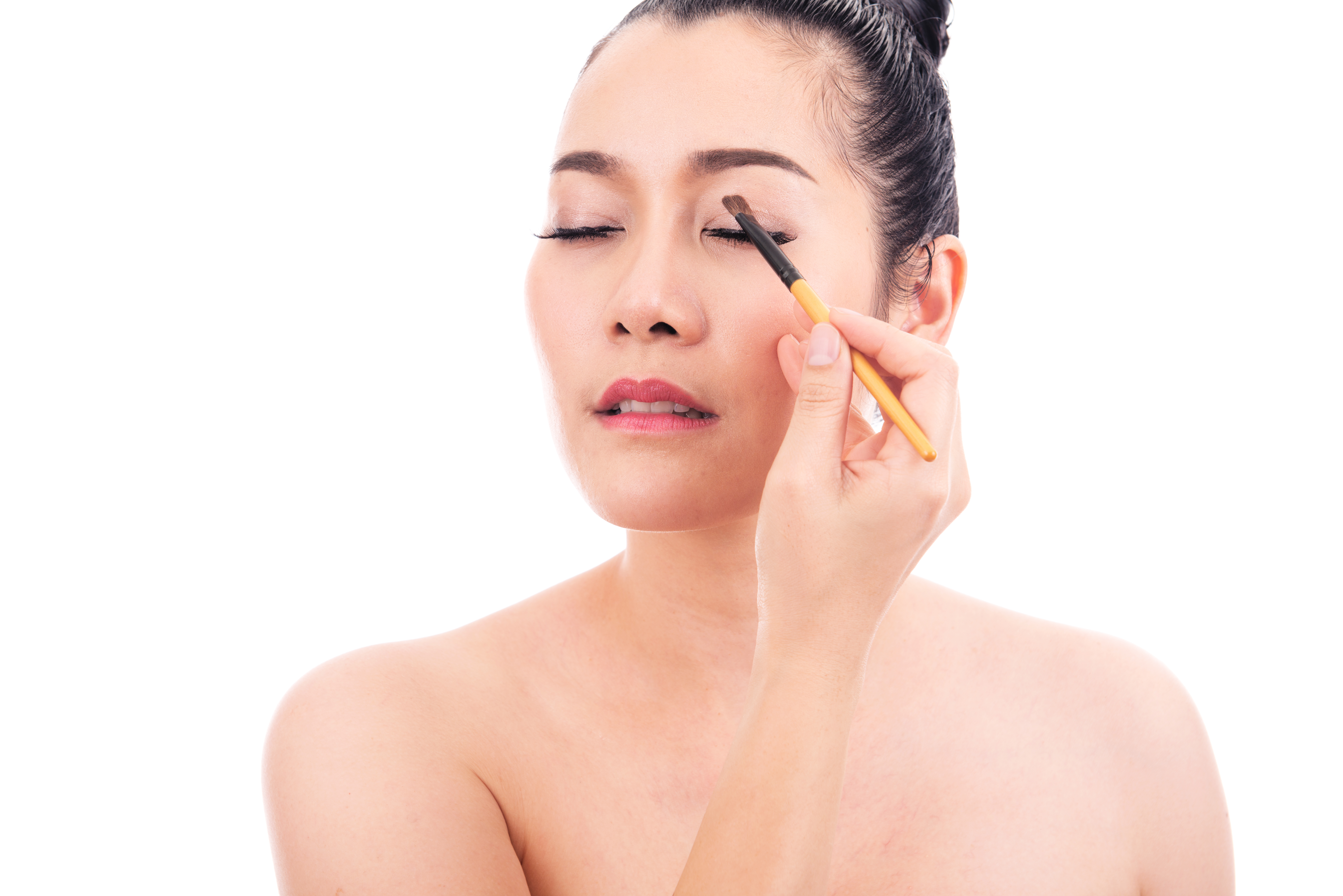
The Art of Subtle Makeup Retouching: Enhancing Beauty Without Overdoing It When I first started retouching portraits, I made the same mistake many editors do: I over-corrected everything. Makeup that looked beautifully applied in person suddenly appeared painted and artificial on screen. Over time, I’ve learned that the best makeup retouching is nearly invisible—it enhances what’s already there rather than creating something entirely new. Let me share the approach I’ve developed over years of working with photographers and beauty clients.

The Art of Subtle Beauty Editing: Enhancing Without Overdoing It

The Art of Subtle Beauty Editing: Enhancing Without Overdoing It

The Art of Subtle Beauty Editing: Enhancing Without Overdoing It I’ve spent years watching clients’ faces light up when they see their portraits—not because they look like someone else, but because they look like the best version of themselves. That’s the sweet spot we’re after in beauty editing, and I’m excited to walk you through how we get there. Understanding the Philosophy Behind Subtle Editing When I first started retouching, I thought more was always better.

The Art of Subtle Beauty Editing: Enhancing Without Over-Processing

The Art of Subtle Beauty Editing: Enhancing Without Over-Processing

The Art of Subtle Beauty Editing: Enhancing Without Over-Processing I’ve spent the last decade perfecting the delicate balance between enhancement and authenticity. When I started portrait retouching, I made the same mistake many editors do: I over-processed everything. Skin looked plastic, pores disappeared entirely, and the final images looked nothing like the actual person. That’s when I realized that true beauty editing isn’t about erasing flaws—it’s about revealing the best version of someone’s natural self.

The Art of Skin Retouching: Achieving Natural-Looking Results

The Art of Skin Retouching: Achieving Natural-Looking Results

The Art of Skin Retouching: Achieving Natural-Looking Results When I first started retouching portraits, I made the same mistake many beginners do: I smoothed skin until it looked plastic. My clients didn’t recognize themselves. That’s when I learned that great skin retouching isn’t about perfection—it’s about enhancement that feels authentic. Today, I want to share what I’ve learned about creating skin that looks healthy, clear, and genuinely human. Whether you’re editing for yourself or clients, these techniques will help you find that sweet spot between polish and natural beauty.

The Art of Skin Retouching: A Beginner-Friendly Guide to Natural Results

The Art of Skin Retouching: A Beginner-Friendly Guide to Natural Results

The Art of Skin Retouching: A Beginner-Friendly Guide to Natural Results When I first started retouching portraits, I made the same mistake many of us do: I over-smoothed everything. The result? Beautiful skin that looked like porcelain—and completely artificial. Over the years, I’ve learned that the best skin retouching is the kind people don’t notice. It’s about enhancement, not transformation. Today, I want to share what I’ve discovered about creating skin that looks naturally flawless.

The Art of Portrait Cleanup: Transform Raw Photos Into Polished Masterpieces

The Art of Portrait Cleanup: Transform Raw Photos Into Polished Masterpieces

The Art of Portrait Cleanup: Transform Raw Photos Into Polished Masterpieces When a client sends me a portrait they love, I can usually spot exactly why—it’s often despite the stray hairs, uneven lighting, or temporary blemishes that caught them that day. My job is to honor what makes the photo special while gently removing the distractions. That’s portrait cleanup in a nutshell, and I’m excited to walk you through my approach.

The Art of Portrait Cleanup: Creating Flawless Skin Without Losing Character

The Art of Portrait Cleanup: Creating Flawless Skin Without Losing Character

The Art of Portrait Cleanup: Creating Flawless Skin Without Losing Character When I first started retouching portraits, I made a common mistake: I treated cleanup like damage control. I’d aggressively smooth every pore, blur every imperfection, and end up with portraits that looked plastic and lifeless. Over the years, I’ve learned that portrait cleanup isn’t about erasure—it’s about enhancement. The goal we’re aiming for is clear, healthy-looking skin that still feels authentically human.

The Art of Portrait Cleanup: A Step-by-Step Guide to Polished Skin

The Art of Portrait Cleanup: A Step-by-Step Guide to Polished Skin

The Art of Portrait Cleanup: A Step-by-Step Guide to Polished Skin When someone shares a portrait with me for editing, I often see the same concern: “Can you clean this up without making it look fake?” This question tells me everything I need to know about modern retouching—we want enhancement, not transformation. Portrait cleanup isn’t about erasing someone’s character; it’s about removing temporary imperfections while preserving their authentic beauty. I’ve spent years perfecting this balance, and I’m excited to share my approach with you.