Portrait Cleanup Essentials: Transform Your Photos with Precision

Portrait Cleanup Essentials: Transform Your Photos with Precision

Portrait Cleanup Essentials: Transform Your Photos with Precision When I first started retouching portraits, I realized that cleanup is where the magic happens. It’s not about creating something artificial—it’s about removing the everyday distractions that keep a beautiful moment from truly shining. Whether you’re working with a professional headshot or a candid family photo, portrait cleanup is a skill that transforms good images into ones you’re genuinely proud to share.

Portrait Cleanup Essentials: My Step-by-Step Guide to Flawless Skin

Portrait Cleanup Essentials: My Step-by-Step Guide to Flawless Skin

Portrait Cleanup Essentials: My Step-by-Step Guide to Flawless Skin When I first started retouching portraits, I thought cleanup meant removing every imperfection until the image looked airbrushed and plastic. I learned quickly that the magic lies in subtle enhancement—keeping skin looking real while making it radiant. Today, I’m sharing the approach that’s transformed how I approach portrait cleanup. What Portrait Cleanup Really Means Let me be clear about something: portrait cleanup isn’t about erasing someone’s humanity.

Natural vs Glam: Two Approaches to Beauty Retouching

Natural vs Glam: Two Approaches to Beauty Retouching

The beauty retouching world has two dominant schools: natural and glam. Understanding when and how to use each saves you from the most common mistake in beauty work — applying the wrong style to the wrong brief. Natural Beauty Retouching Natural retouching aims to make the subject look like themselves on their absolute best day. It’s the “no-makeup makeup” of post-production. Technical approach: Skin smoothing at 20-30% intensity maximum Color correction focused on evening tones, not perfecting them Dodge and burn to enhance existing light patterns, not create new ones Blemish removal limited to temporary features only No reshaping unless correcting lens distortion Minimal color grading — stay close to realistic color Where it’s used: Skincare campaigns, lifestyle brands, editorial features about “real beauty,” dating profiles, professional headshots, personal branding.

Mastering Urban Portrait Retouching: A Complete Guide to the Bir Hakeim Bridge Technique

Mastering Urban Portrait Retouching: A Complete Guide to the Bir Hakeim Bridge Technique

Mastering Urban Portrait Retouching: A Complete Guide to the Bir Hakeim Bridge Technique I’ve always found that some of the most transformative retouching lessons come from real-world shooting scenarios—especially when we’re working with the challenging lighting and composition that urban environments throw at us. In this excellent tutorial, Serge Ramelli shows us how to take a portrait shot at the iconic Bir Hakeim Bridge in Paris and transform it into a polished, professional image using systematic retouching and beauty editing techniques.

Mastering Night Light Beauty Photography: A Retouching Guide for Artificial Lighting

Mastering Night Light Beauty Photography: A Retouching Guide for Artificial Lighting

Mastering Night Light Beauty Photography: A Retouching Guide for Artificial Lighting I’ve been thinking a lot lately about how artificial lighting transforms portrait photography—and the unique retouching challenges it presents. When we shoot under neon signs, decorative lanterns, and street lights, we’re working with color casts and dynamic shadows that require a thoughtful editing approach. This is especially true when we want our subjects to look their absolute best. The Challenge of Colored Light Sources Shooting in environments like illuminated gardens or neon-lit streets creates an entirely different canvas than traditional studio lighting.

Mastering Dodge and Burn: Sculpting Light and Shadow in Portrait Retouching

Mastering Dodge and Burn: Sculpting Light and Shadow in Portrait Retouching

Mastering Dodge and Burn: Sculpting Light and Shadow in Portrait Retouching When I first started portrait retouching, I thought dodge and burn were just old darkroom tricks. But I’ve come to realize they’re one of the most powerful tools we have for sculpting faces and creating that coveted three-dimensional quality that separates amateur edits from polished professional work. Let me walk you through how I approach this technique, and I promise it’s more intuitive than it might sound.

Master Eye Enhancement: A Step-by-Step Guide to Captivating Portrait Eyes

Master Eye Enhancement: A Step-by-Step Guide to Captivating Portrait Eyes

Master Eye Enhancement: A Step-by-Step Guide to Captivating Portrait Eyes Eyes are the window to the soul—and they’re often the first thing we notice in a portrait. When we enhance eyes thoughtfully, we’re not creating something fake; we’re simply bringing out what’s already there. I’ve spent years perfecting eye enhancement techniques, and I’m excited to walk you through the process that’s transformed how I approach portrait retouching. Why Eye Enhancement Matters Before we dive into the how, let’s talk about the why.

Master Color Correction for Flawless Portrait Retouching

Master Color Correction for Flawless Portrait Retouching

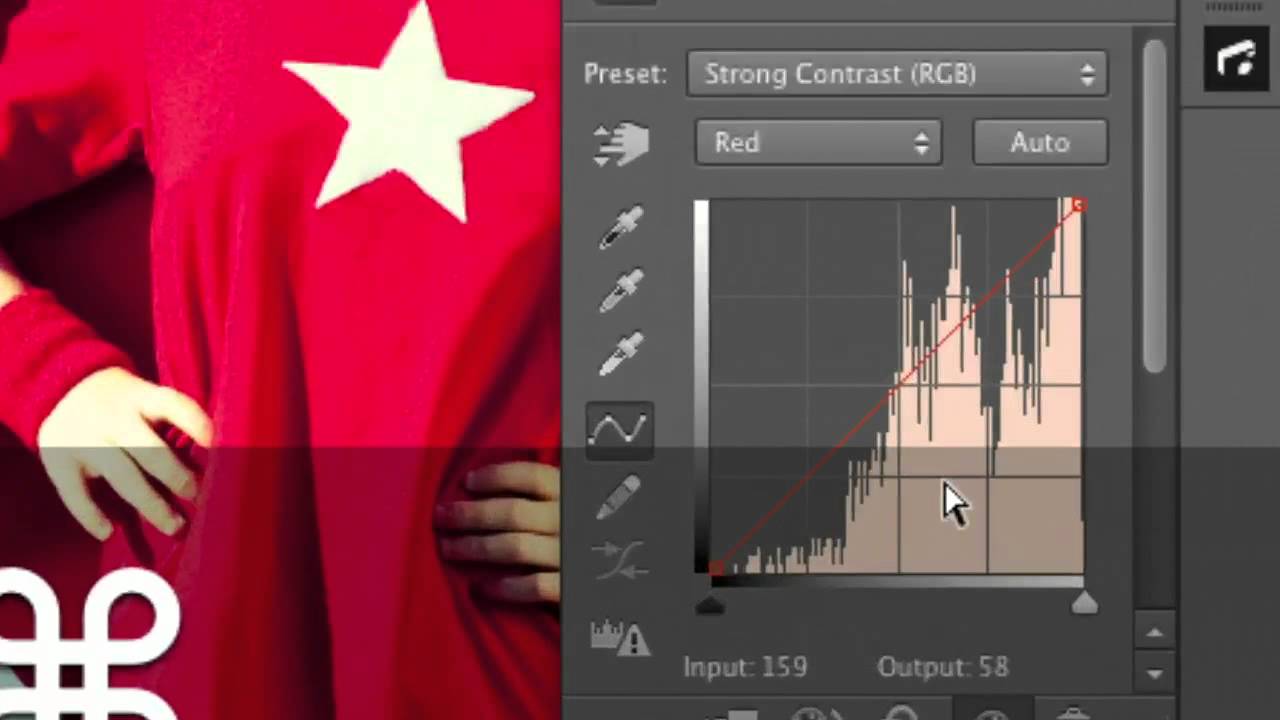
Master Color Correction for Flawless Portrait Retouching Color correction is where the magic happens in portrait retouching. I’ve found that even the most beautifully lit portrait can feel off if the color isn’t right. Whether you’re dealing with unflattering lighting conditions, mixed color temperatures, or just want to enhance skin tones, understanding color correction will transform your work. Let me walk you through the techniques I rely on every day.

Makeup Retouching Essentials: How to Enhance Beauty Without Losing Authenticity

Makeup Retouching Essentials: How to Enhance Beauty Without Losing Authenticity

Makeup Retouching Essentials: How to Enhance Beauty Without Losing Authenticity When I first started retouching portraits, I made the same mistake many editors do: I over-edited the makeup. The skin looked plastic, the lips looked painted-on, and the final result screamed “retouched.” Over the years, I’ve learned that the best makeup retouching is the kind people don’t immediately notice. Today, I’m sharing the techniques that have transformed how I approach this delicate work.

How to Use Lightroom Mobile's New AI Blemishes Tool for Professional Portrait Retouching

How to Use Lightroom Mobile's New AI Blemishes Tool for Professional Portrait Retouching

I’ve been following the rapid evolution of AI-powered editing tools, and I have to say—Lightroom Mobile’s new Blemishes tool is genuinely impressive. In this excellent tutorial, Aaron Nace (PHLEARN) shows us how to leverage this intelligent feature to achieve professional-quality skin retouching right from our phones. Let me break down exactly how this works and share some insights I’ve picked up from testing it myself. What Makes This Tool Different? Before we dive into the steps, I want to clarify why I’m excited about this feature.

How to Smooth Skin in Photoshop Without Losing Texture

How to Smooth Skin in Photoshop Without Losing Texture

Every portrait retoucher faces the same challenge: how do you smooth skin without making it look like plastic? The answer is frequency separation — a technique that separates your image into texture and color layers, letting you work on each independently. The Basic Setup Duplicate your background layer twice Name the top layer “Texture” and the bottom “Color” On the Color layer, apply Gaussian Blur (radius 6-10 pixels depending on resolution) On the Texture layer, go to Image > Apply Image, select the Color layer, set blending to Subtract, Scale 2, Offset 128 Set the Texture layer blend mode to Linear Light Working the Color Layer Select the Color layer and use a soft brush with the Mixer Brush tool (or just a regular brush at low opacity).

How to Reshape Features Without Going Overboard

How to Reshape Features Without Going Overboard

The Liquify tool is the most powerful and most abused tool in portrait retouching. In the right hands, it makes subtle corrections that nobody notices. In the wrong hands, it creates uncanny-valley distortions that scream “this was Photoshopped.” The difference comes down to restraint and technique. When Liquify Is Appropriate Liquify corrections should address things that a slightly different camera angle, focal length, or expression would have changed. Wide-angle lens distortion makes noses look bigger and ears look smaller.