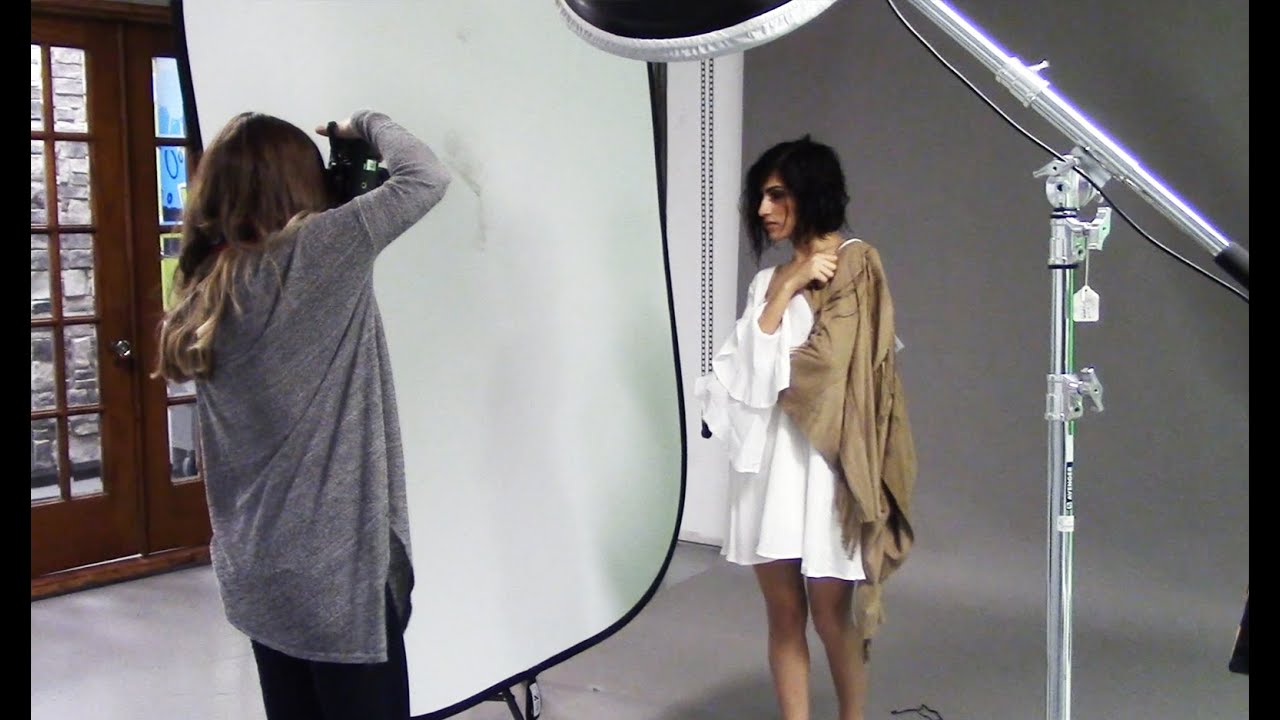
Beauty Dish Lighting for Studio Portraits: What Jessica Kobeissi's Shoot Taught Me About Keeping It Simple

Beauty Dish Lighting for Studio Portraits: What Jessica Kobeissi's Shoot Taught Me About Keeping It Simple

There is a particular kind of exhaustion that comes from overcomplicating a studio setup. I spent years as a wedding photographer hauling cases of gear, and when I finally moved into beauty and portrait work full-time, I assumed more equipment meant better results. It took watching photographers who clearly knew what they were doing with minimal setups to shake that assumption loose. Watch the full tutorial on YouTube before diving in here, or follow along with the breakdown below and come back to the video after.
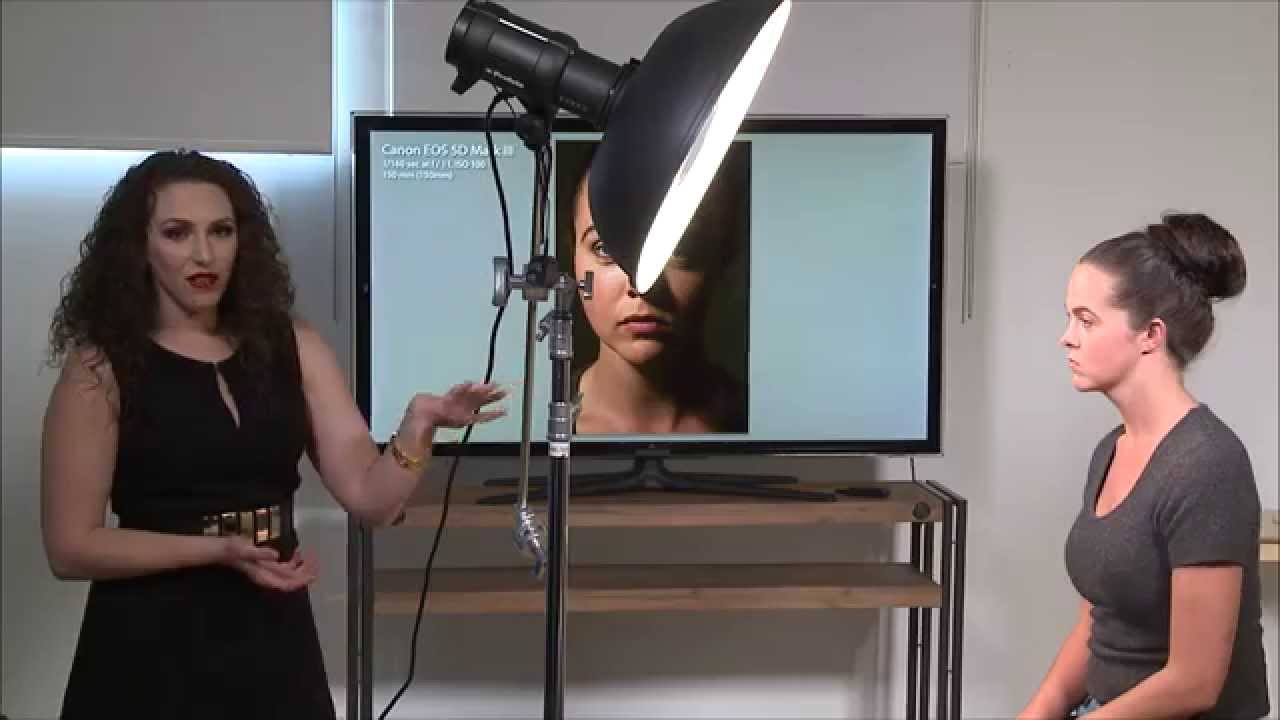
Beauty Dish Positioning for Portraits: What the Light Is Actually Doing (And Why It Matters)

Beauty Dish Positioning for Portraits: What the Light Is Actually Doing (And Why It Matters)

There’s a gap between knowing a beauty dish produces beautiful light and actually understanding why it does — and that gap shows up in your photos. For years when I was shooting weddings, I treated modifiers like interchangeable parts. A beauty dish was just the round thing that made skin look good. It wasn’t until I slowed down and started studying the mechanics of light that the results in my work actually changed.

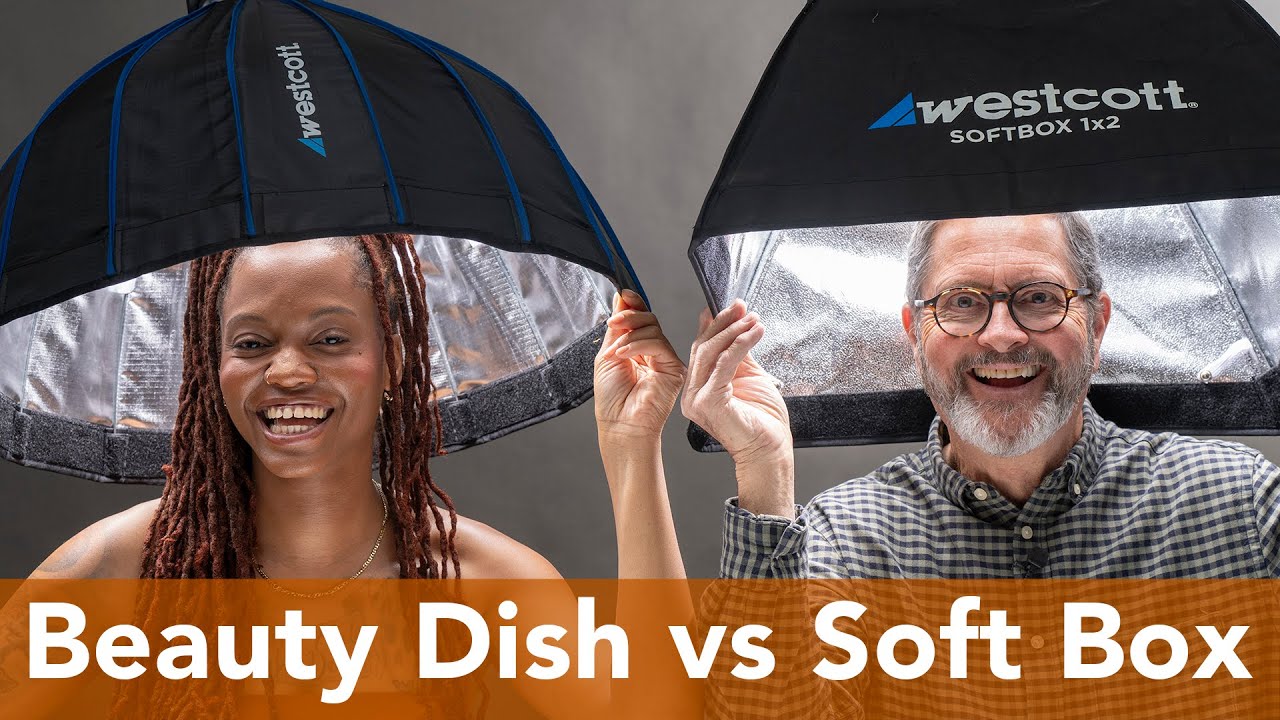
Softbox vs. Beauty Dish for Portraits: What the Light Actually Does to Skin

Softbox vs. Beauty Dish for Portraits: What the Light Actually Does to Skin

When I was still shooting weddings, I treated lighting modifiers like interchangeable parts. A softbox was a softbox. If the light looked roughly even, I moved on. It wasn’t until I started doing beauty work for skincare brands, where every shadow on a cheekbone is a creative decision, that I realized how differently two modifiers of nearly the same size can actually behave on a face. That distinction matters enormously when a retoucher sits down with the image afterward.