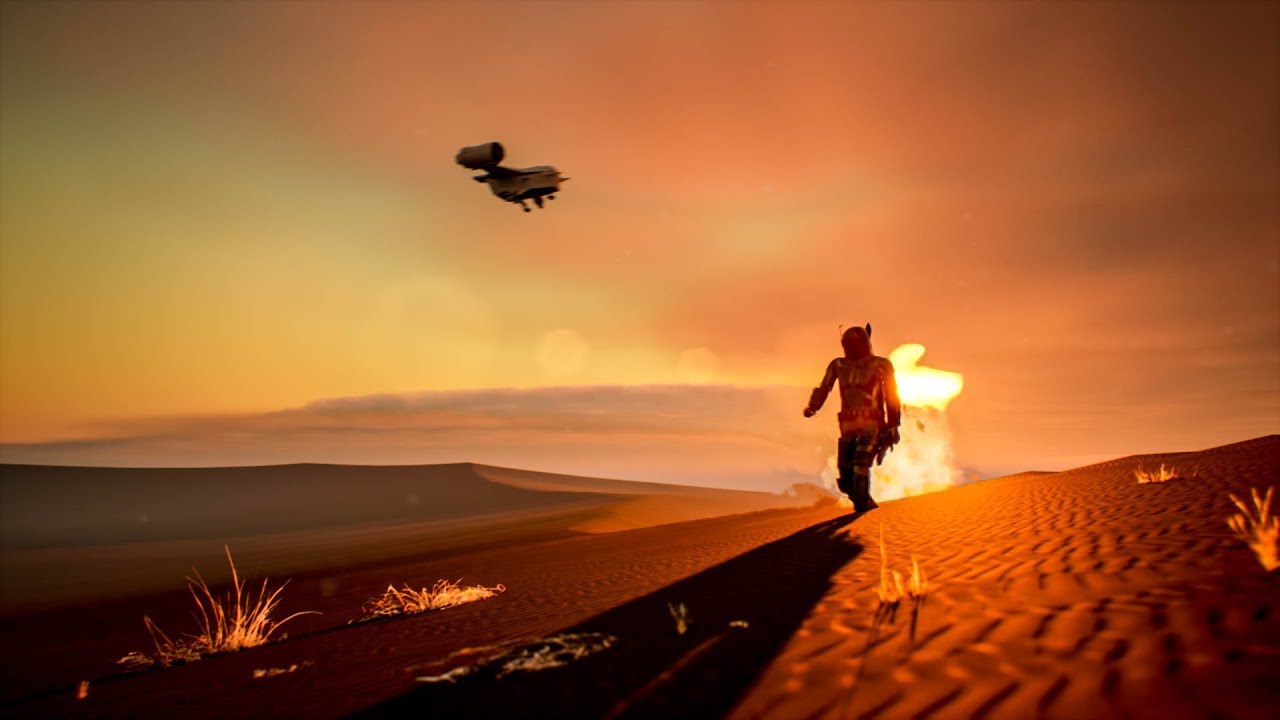
What a Mandalorian Scene Taught Me About Cinematic Light (And Why It Applies to Beauty Work)

What a Mandalorian Scene Taught Me About Cinematic Light (And Why It Applies to Beauty Work)

A client came to me last spring asking for something I’d never delivered before. She wanted composite backgrounds for a skincare campaign, something that felt filmic and atmospheric rather than the usual clean-studio look. I’d been hearing about Unreal Engine for a while, mostly from video game artists and cinematographers, but I’d written it off as overkill for beauty work. Then I sat down with this Serge Ramelli tutorial and realized I’d been sleeping on one of the most useful lighting sandboxes available to creatives right now.
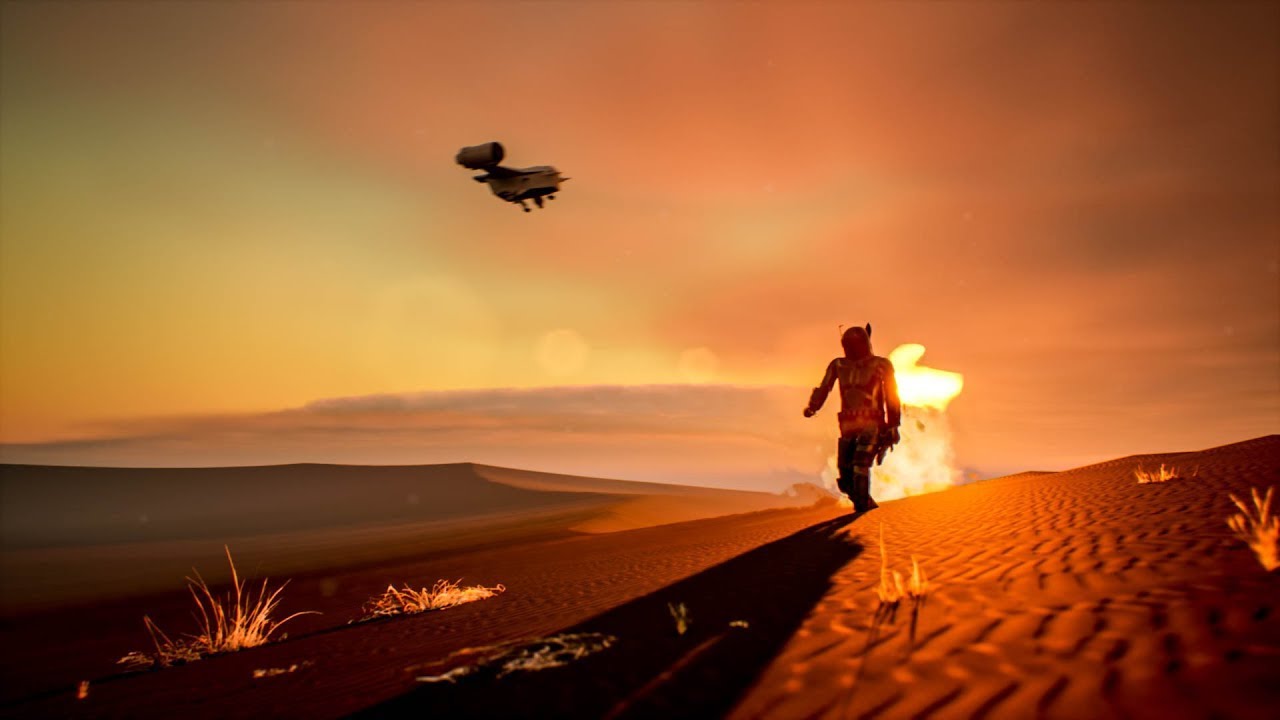
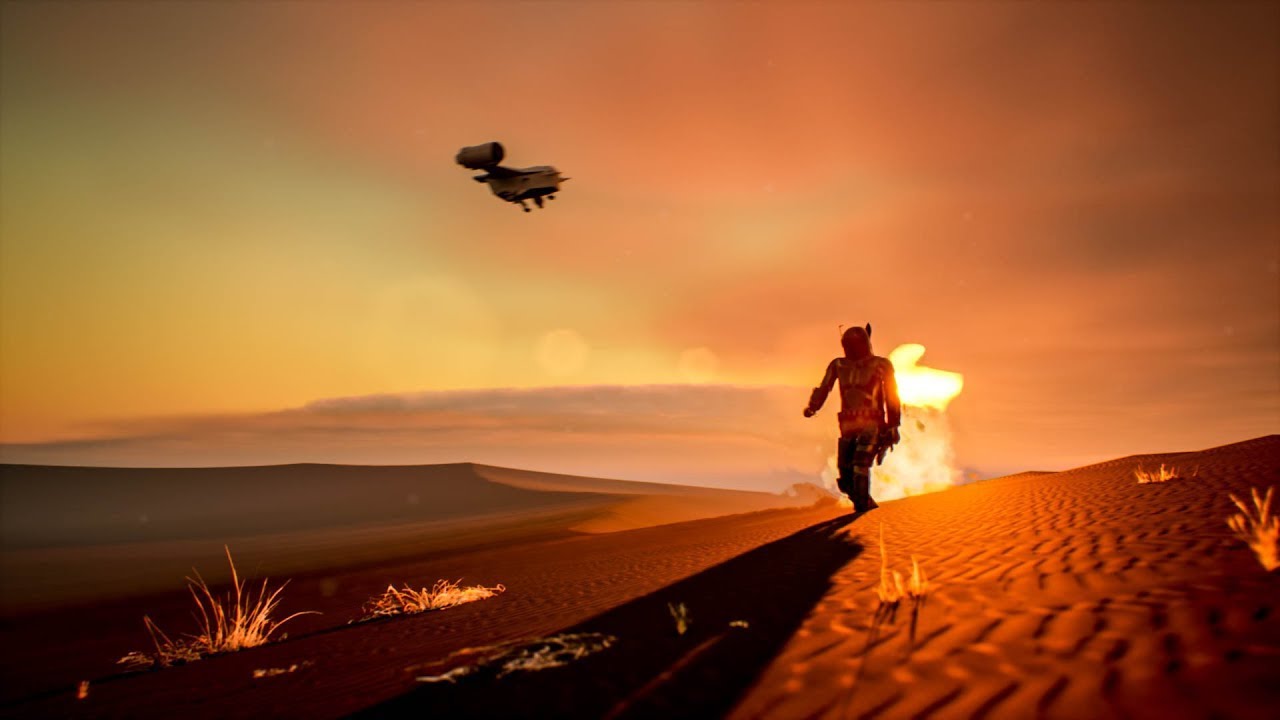
What a Mandalorian Scene Taught Me About Cinematic Lighting (And Why It Matters for Beauty Work)

What a Mandalorian Scene Taught Me About Cinematic Lighting (And Why It Matters for Beauty Work)

I’ve been thinking a lot lately about light. Not just the kind I sculpt in Photoshop after a shoot, but the kind that gets built from scratch, before a single pixel exists. A beauty client came to me last spring asking for campaign imagery that felt “cinematic but grounded,” and I realized I didn’t have a strong enough mental model for how cinematic light actually gets constructed. I knew how to retouch it.

What a Mandalorian Scene Taught Me About Cinematic Light (And Why It Matters for Beauty Work)

What a Mandalorian Scene Taught Me About Cinematic Light (And Why It Matters for Beauty Work)

I never thought I’d spend a Tuesday afternoon building a desert landscape populated by the Mandalorian. But here we are. It started with a practical problem. A beauty client came to me last month wanting campaign imagery with a very specific golden-hour mood, something warm and directional, almost cinematic. We didn’t have the budget for a reshooot, and the original RAW files had flat, overcast light that was fighting me at every step.