The Uncanny Valley of Perfect: How to Train Your Eye to Spot AI-Generated Images

The Uncanny Valley of Perfect: How to Train Your Eye to Spot AI-Generated Images

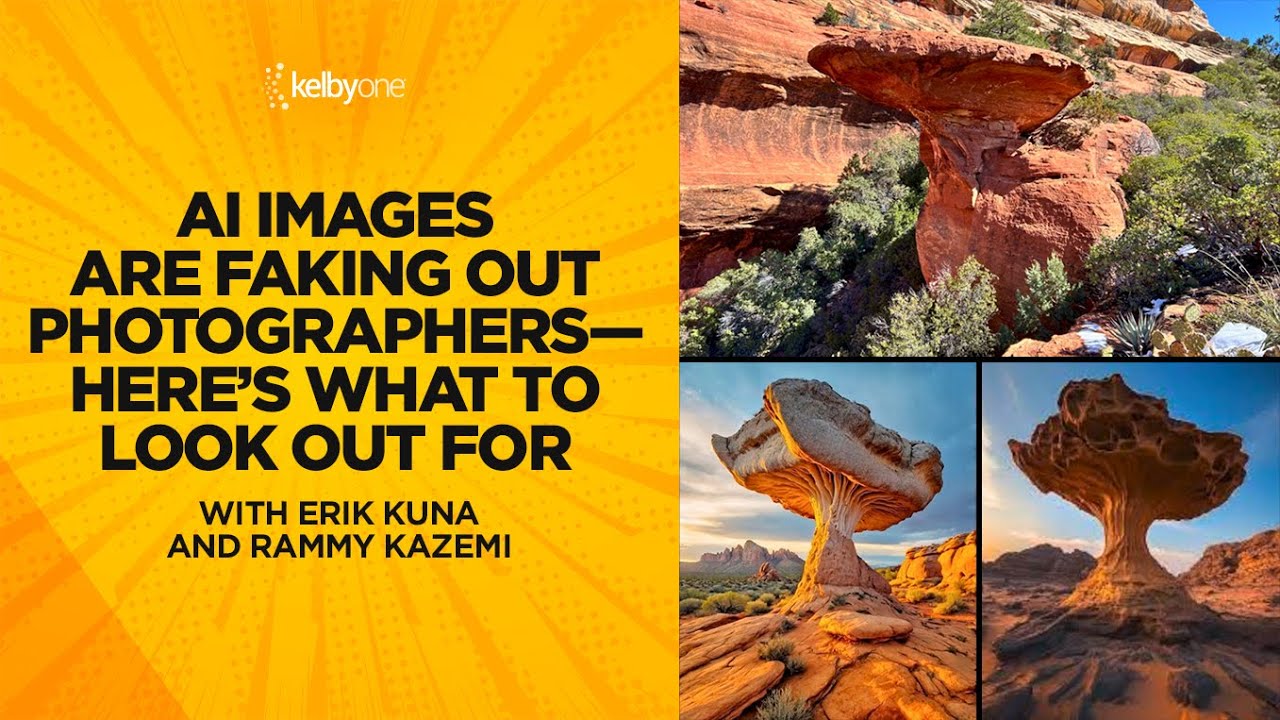
There’s a skill I didn’t expect to need when I made the move from wedding photography into beauty retouching: learning to tell the difference between a photograph and a fabrication. Back when I started, the question was whether a retouch looked natural or “plastic.” Now the question has expanded. Clients send me reference images pulled from social media, mood boards assembled from Pinterest, and inspiration packs cobbled together from who-knows-where, and at least a few of those images in every batch are AI-generated, sometimes without the client even knowing.

Portrait Cleanup Before You Retouch: Why Your Starting File Is Half the Battle

Portrait Cleanup Before You Retouch: Why Your Starting File Is Half the Battle

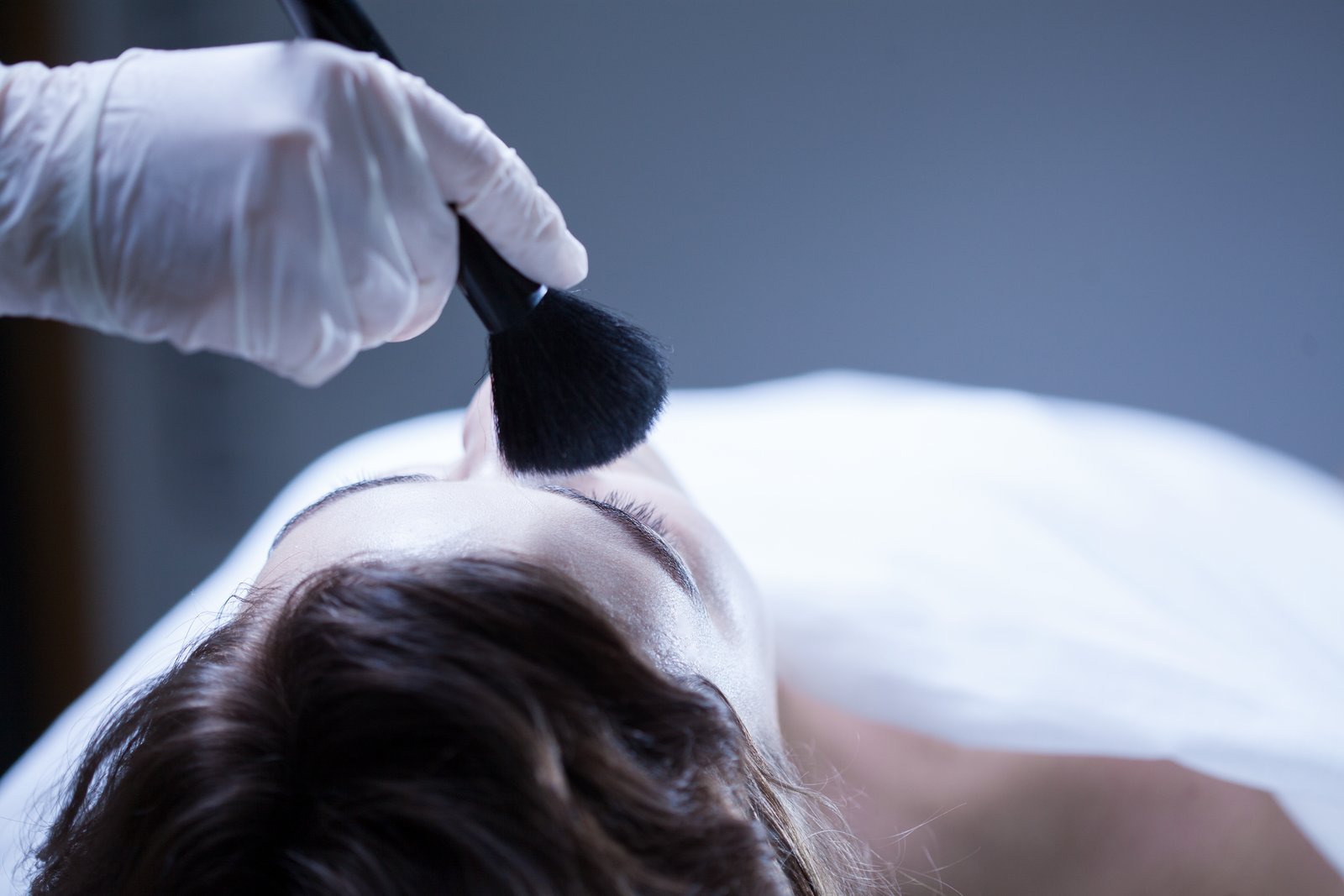
A few years into doing this work, I had a client send back a fully retouched beauty shot with a single line of feedback: “Can you fix the collar?” I zoomed out and there it was, a small wrinkle in the model’s shirt that I had somehow completely tuned out for the entire two hours I’d spent on her skin. I had gone straight into pore work and left a distracting wardrobe problem sitting right in the frame.

The One Lightroom Masking Mode Most People Never Switch On

The One Lightroom Masking Mode Most People Never Switch On

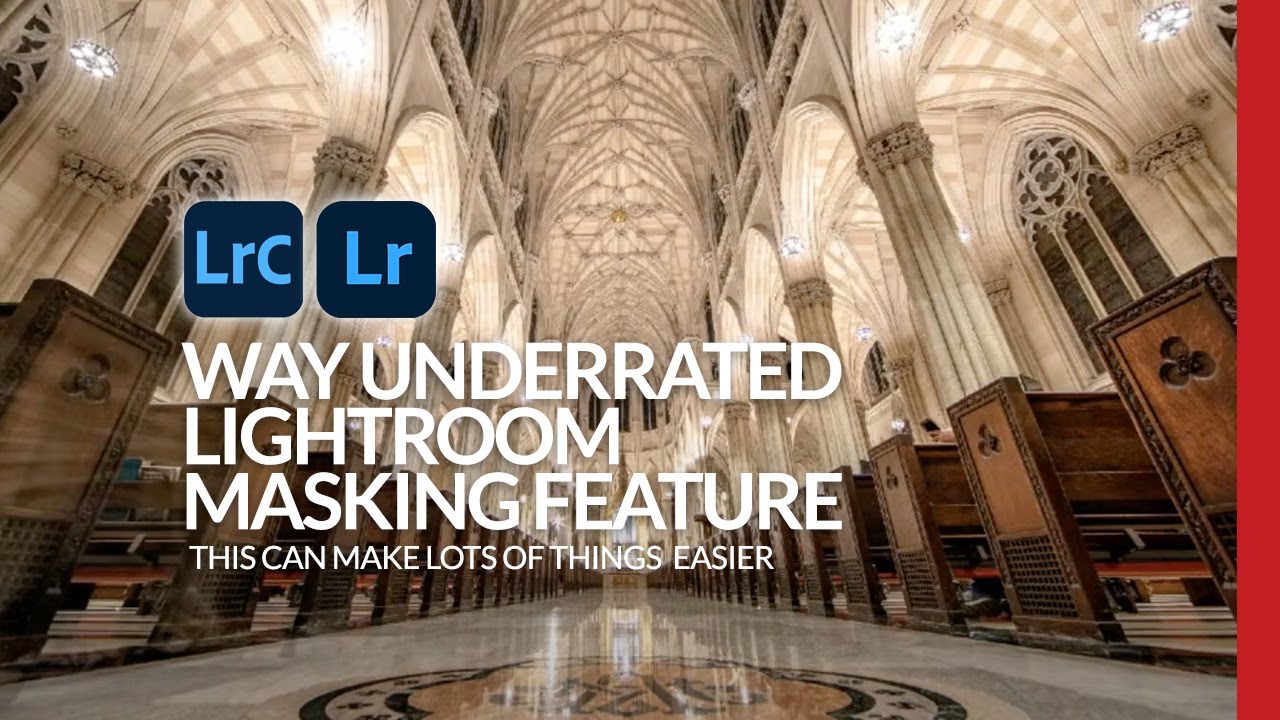
There’s a specific frustration I run into constantly when editing beauty and product work: the background needs its own treatment, completely separate from the subject. Sometimes it’s a seamless sweep that needs to pop. Sometimes it’s a reflective floor that should feel glossier, or a wall that’s pulling attention away from the face I’ve spent an hour perfecting. The subject selection tools in Lightroom are genuinely impressive now, but they’re built around the assumption that the subject is the thing you want to adjust.

The Art of Natural Hair Retouching: Making Flyaways Disappear Without Looking Fake

The Art of Natural Hair Retouching: Making Flyaways Disappear Without Looking Fake

The Art of Natural Hair Retouching: Making Flyaways Disappear Without Looking Fake When I first started retouching portraits, I made the same mistake many of us do: I over-smoothed everything. Hair looked plastic. Shine became artificial. I’ve learned that the best hair retouching is invisible—it enhances what’s already there rather than replacing it entirely. Let me walk you through my approach to hair retouching, so you can deliver portraits that look effortlessly beautiful.