What Landscape Photographers Know About Light That We Should Steal for Beauty Work

What Landscape Photographers Know About Light That We Should Steal for Beauty Work

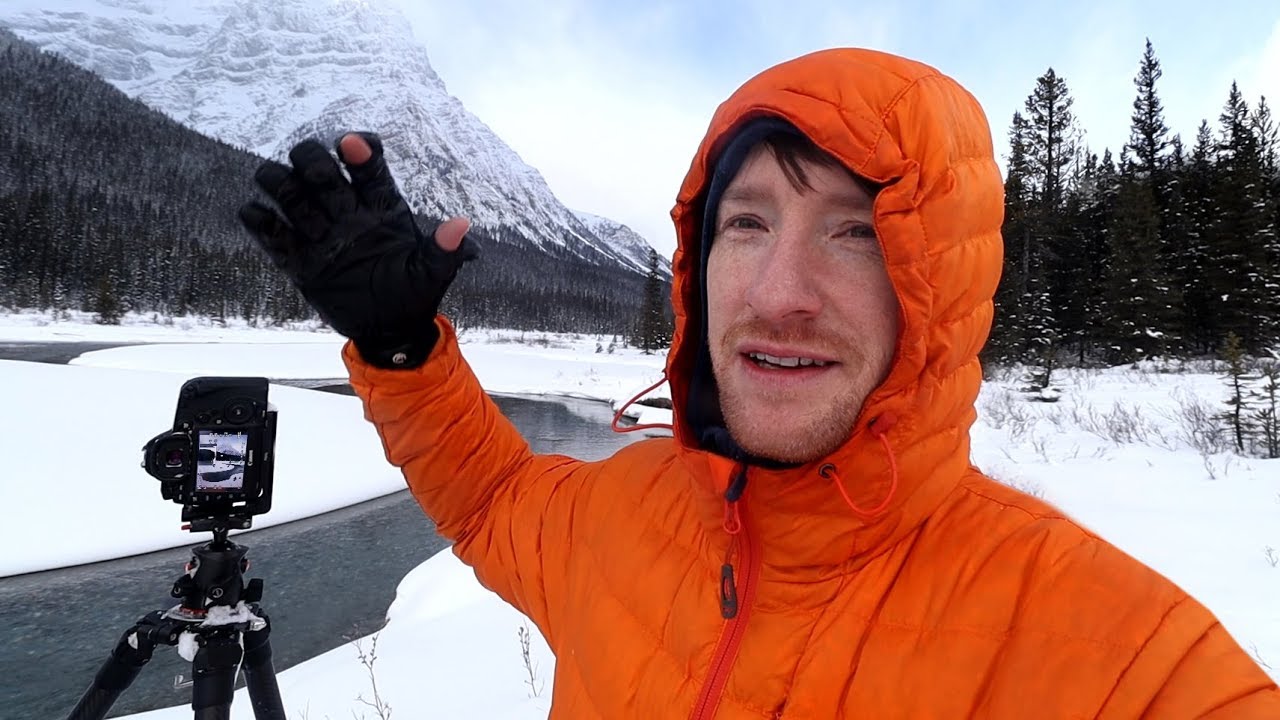
There is a particular kind of frustration I know well: you have a subject in front of you, the light is almost right, and you are burning through time waiting for the moment to either arrive or not. I felt that frustration constantly in my wedding days, and I still feel a version of it now when I am trying to coax a beauty edit into looking natural rather than constructed.

What Woodland Photography Taught Me About Seeing Light Differently (Nigel Danson Breakdown)

What Woodland Photography Taught Me About Seeing Light Differently (Nigel Danson Breakdown)

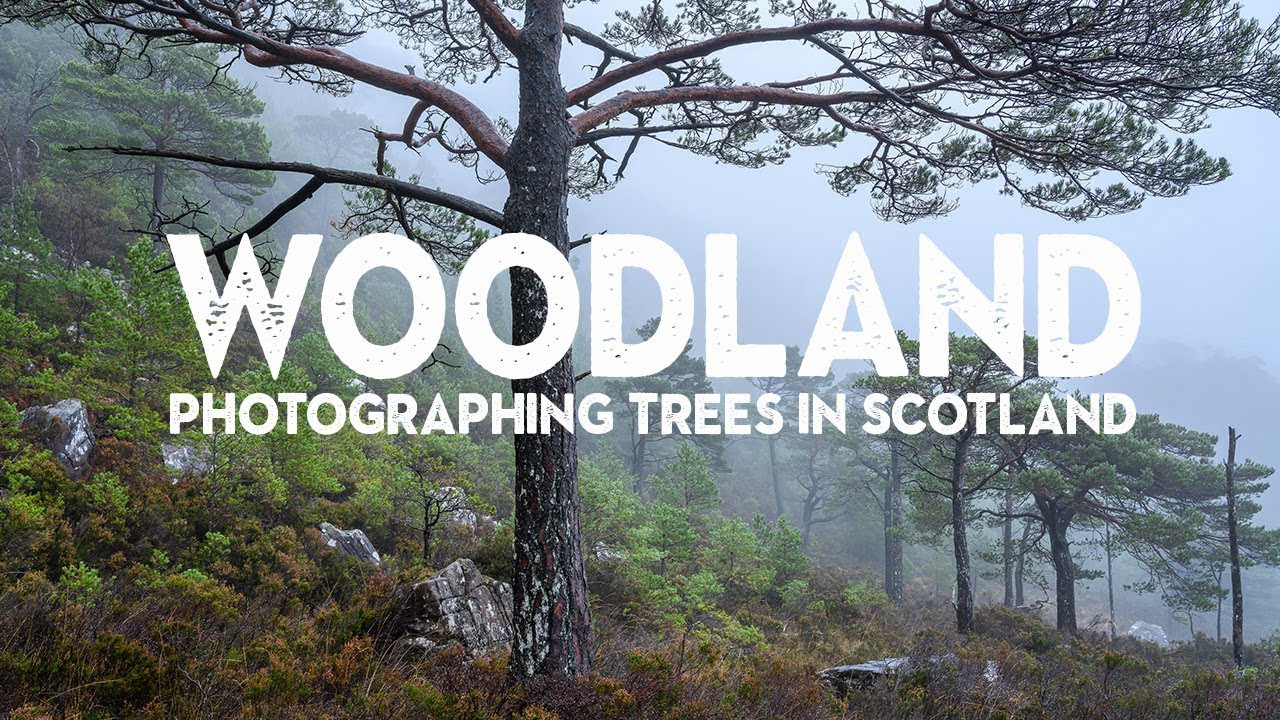
I came to landscape photography the same way I came to most things outside my retouching work: sideways, by accident, and slightly obsessed. After years of staring at skin texture and catchlights on a monitor, I started taking long walks with a camera just to remember what it felt like to photograph something that couldn’t ask for a revision. That’s how I stumbled onto Nigel Danson’s work, and specifically this tutorial on woodland photography that stopped me mid-scroll and made me watch it twice.

What Landscape Photographers Know About Light That Every Beauty Retoucher Should Steal

What Landscape Photographers Know About Light That Every Beauty Retoucher Should Steal

There’s a reason I keep a folder on my desktop called “Not Beauty.” It’s full of tutorials from photographers who have nothing to do with my usual world of skin smoothing and color grading, and it’s one of the most useful folders I have. When I burned out on wedding photography years ago and moved into beauty retouching, I thought I was leaving landscape and nature work behind entirely. What I didn’t expect was how much the discipline of outdoor photographers would reshape the way I think about light, patience, and the decision-making that happens before you ever open Lightroom.

Before You Touch a Single Slider: What Professional Photo Editors Actually Look For

Before You Touch a Single Slider: What Professional Photo Editors Actually Look For

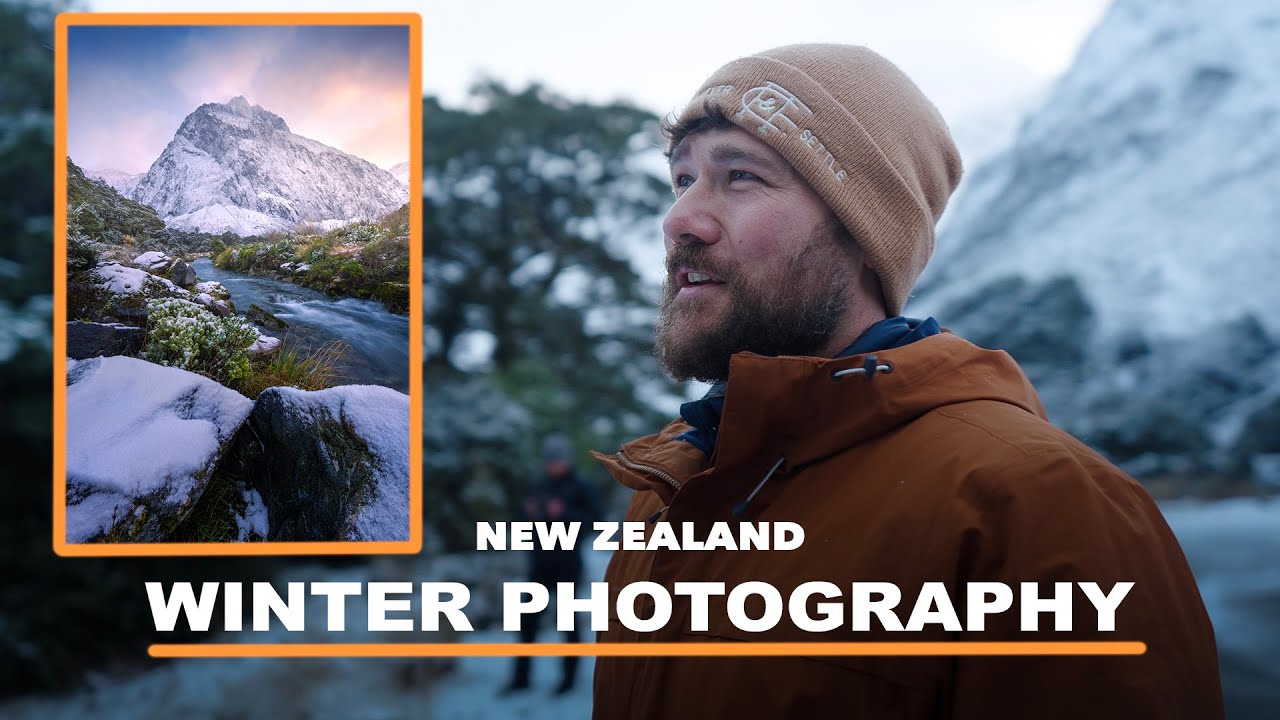
There’s a skill that took me years to develop, and it has nothing to do with Photoshop. It’s knowing what to look at before you open a single panel. Early in my retouching career, I would dive straight into skin work, dodging and burning and smoothing, only to deliver a finished file and have a client point out that the framing was off, or that a distracting element was pulling the eye away from the subject.

How to Use a Frame-Within-a-Frame to Transform an Ordinary Cityscape Into a Cinematic Shot

How to Use a Frame-Within-a-Frame to Transform an Ordinary Cityscape Into a Cinematic Shot

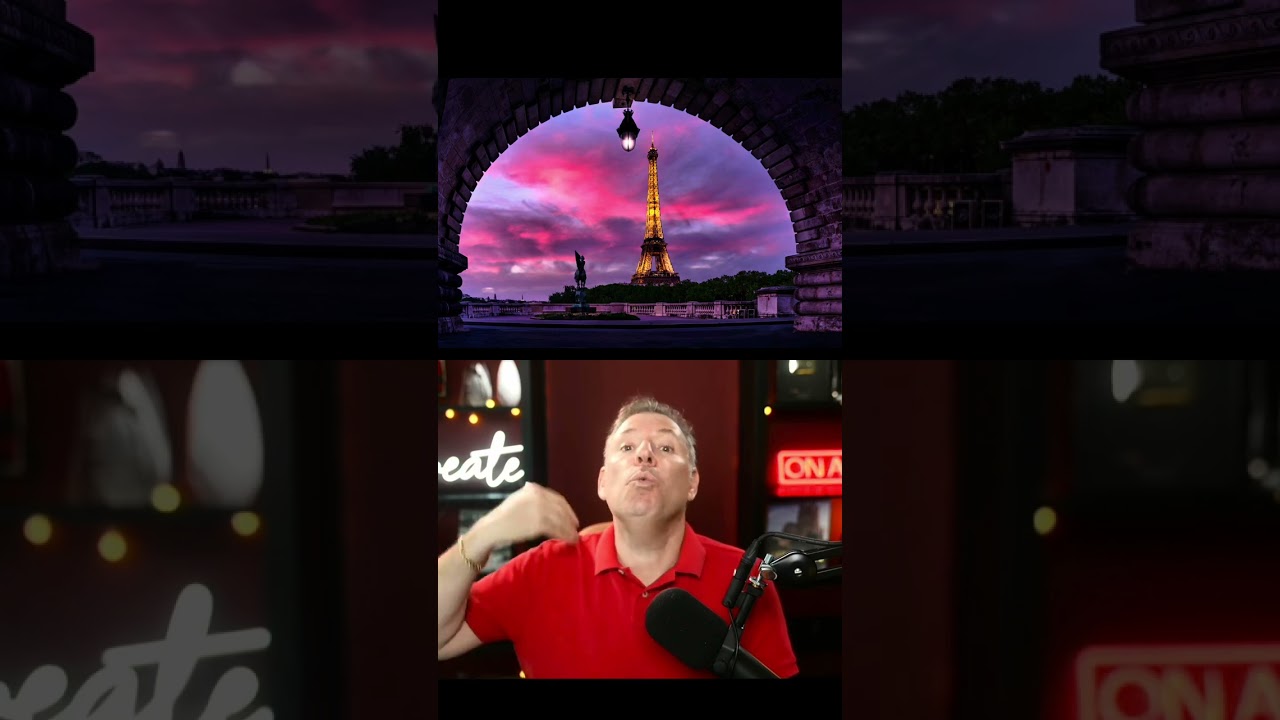
There’s a moment every photographer dreads: you show up to one of the most photographed landmarks on earth, tripod in hand, and realize that every angle you find has already been shot ten thousand times. I ran into this exact wall early in my career, long before I moved into beauty retouching full-time. I’d stand in front of a famous location and freeze, convinced that anything I captured would look like a tourist snapshot dressed up with a filter.

How Serge Ramelli's Frame Within a Frame Technique Quietly Transforms a Flat Travel Portrait

How Serge Ramelli's Frame Within a Frame Technique Quietly Transforms a Flat Travel Portrait

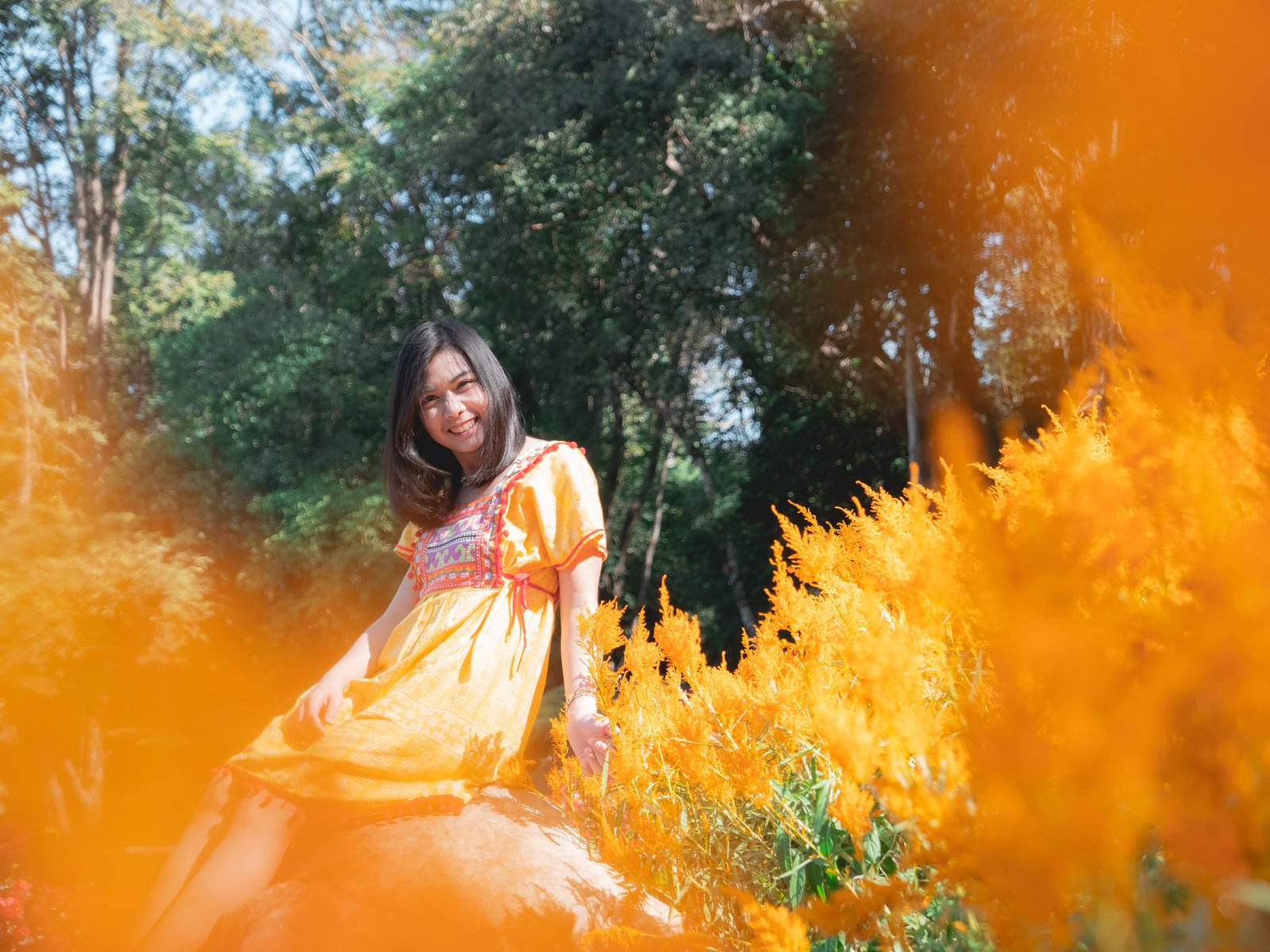
There’s a specific kind of photo that stops me mid-scroll. Not the technically perfect ones, not the overlit, every-detail-present shots. The ones that stop me are the ones that feel like a secret. Something contained. A world inside a world. That quality has a name: frame within a frame. And for years I understood it as a compositional idea, something you think about before you press the shutter. What I hadn’t fully appreciated was how much of that feeling gets built, or destroyed, in post-processing.