Beauty Dish vs. Umbrella: What Every Retoucher Needs to Understand About Studio Light Quality

Beauty Dish vs. Umbrella: What Every Retoucher Needs to Understand About Studio Light Quality

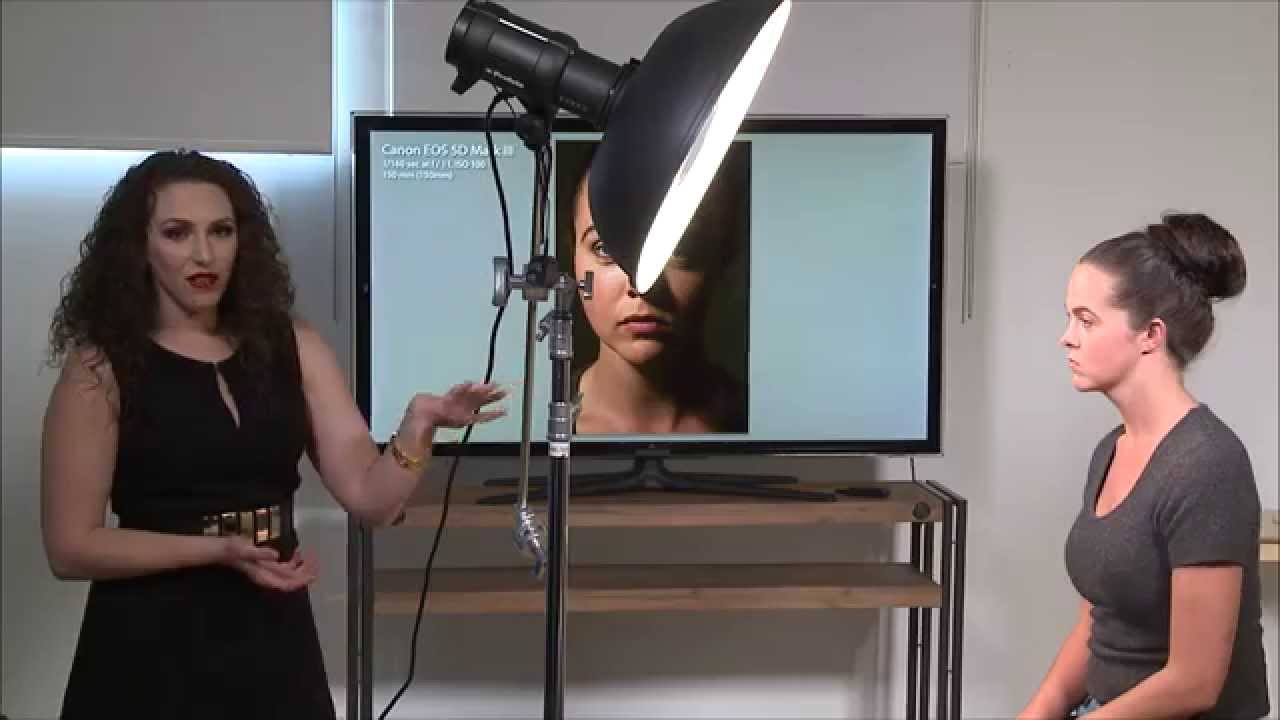
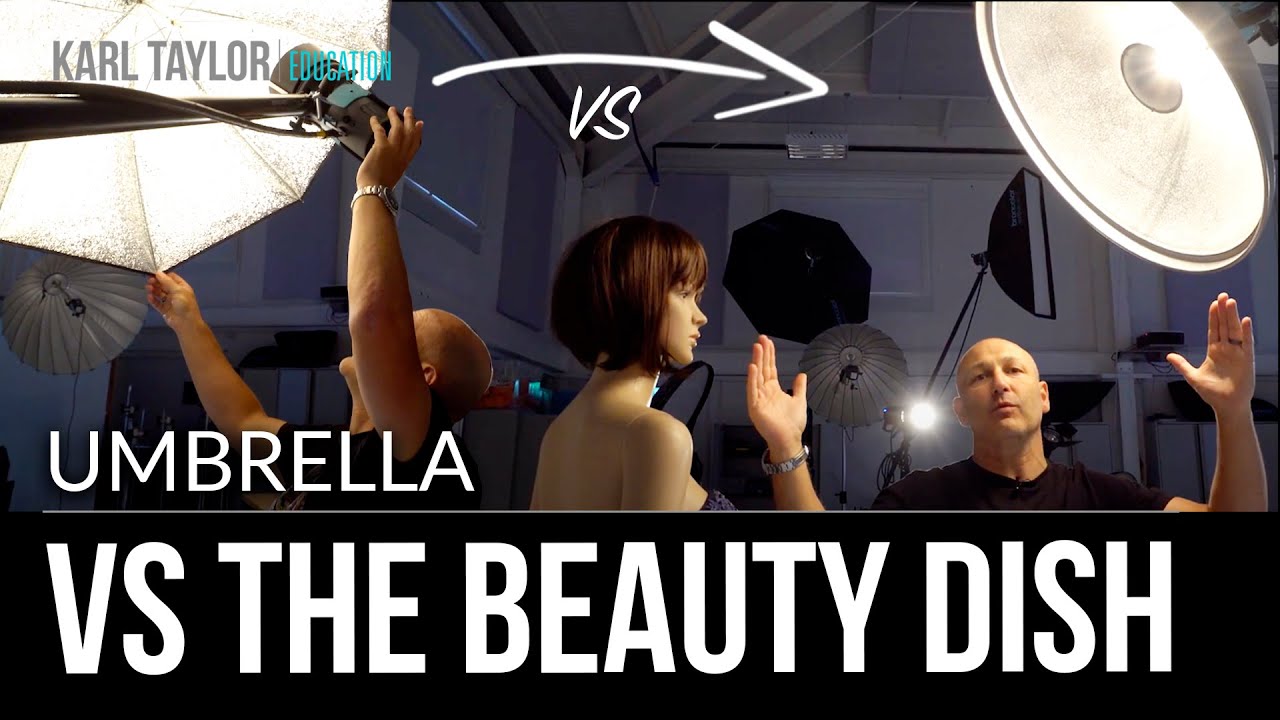
There’s a moment every retoucher knows well. You open a file, squint at the skin, and realize the problem isn’t texture or tone. It’s the light itself. Shadows landing in the wrong places, catchlights that look chaotic, a general scrappiness to the image that no frequency separation layer is going to fix. I spent years treating lighting as the photographer’s problem and post-processing as mine, and that division cost me hours of unnecessary work.

Softbox vs. Beauty Dish for Portraits: What the Light Actually Does to Skin

Softbox vs. Beauty Dish for Portraits: What the Light Actually Does to Skin

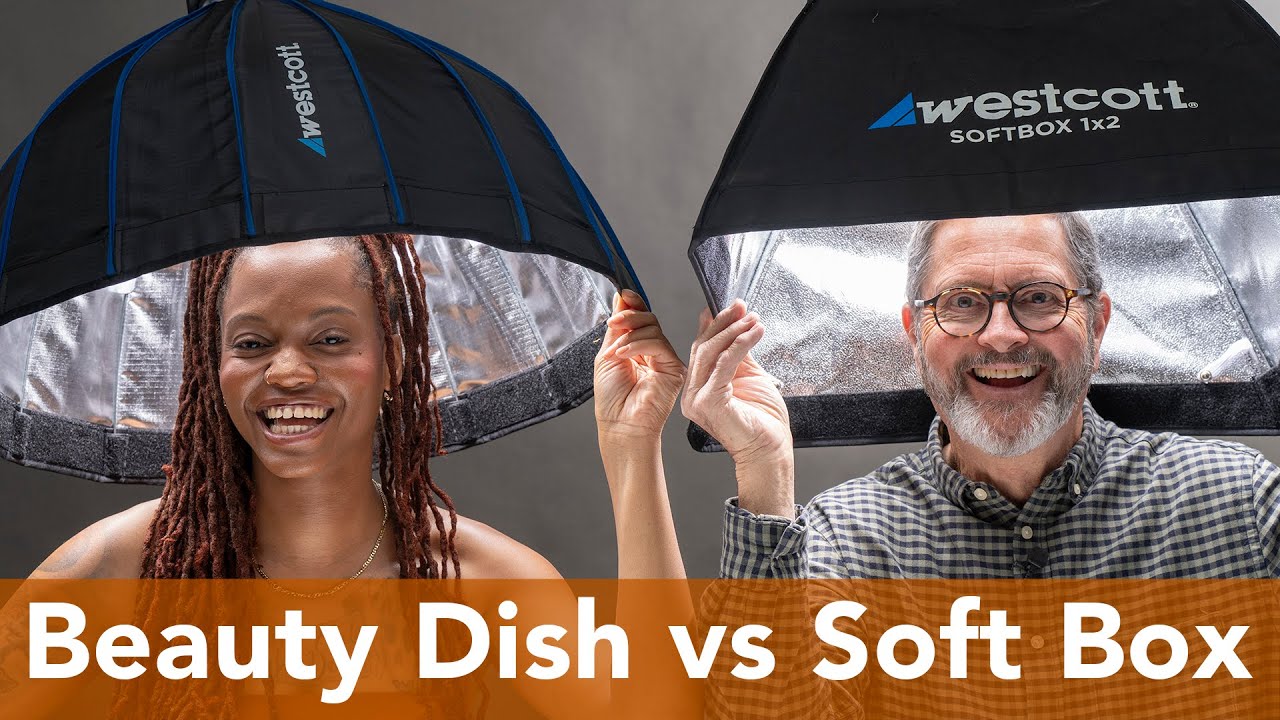
When I was still shooting weddings, I treated lighting modifiers like interchangeable parts. A softbox was a softbox. If the light looked roughly even, I moved on. It wasn’t until I started doing beauty work for skincare brands, where every shadow on a cheekbone is a creative decision, that I realized how differently two modifiers of nearly the same size can actually behave on a face. That distinction matters enormously when a retoucher sits down with the image afterward.