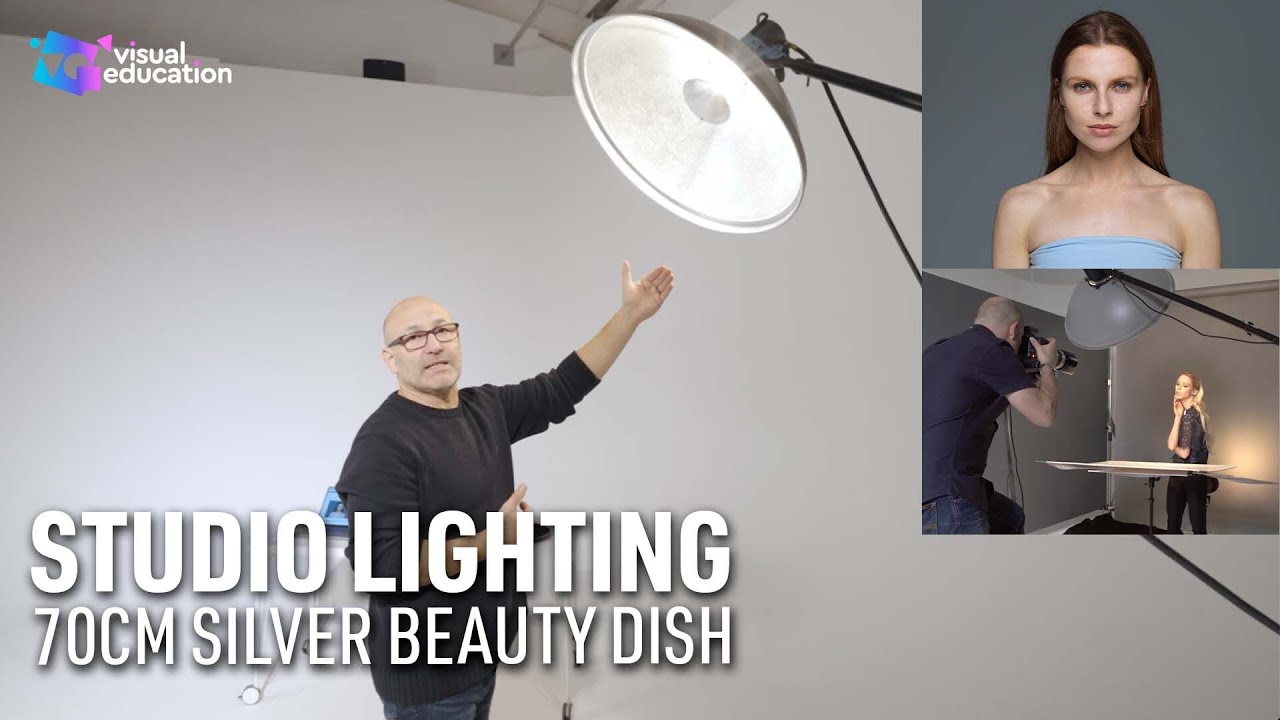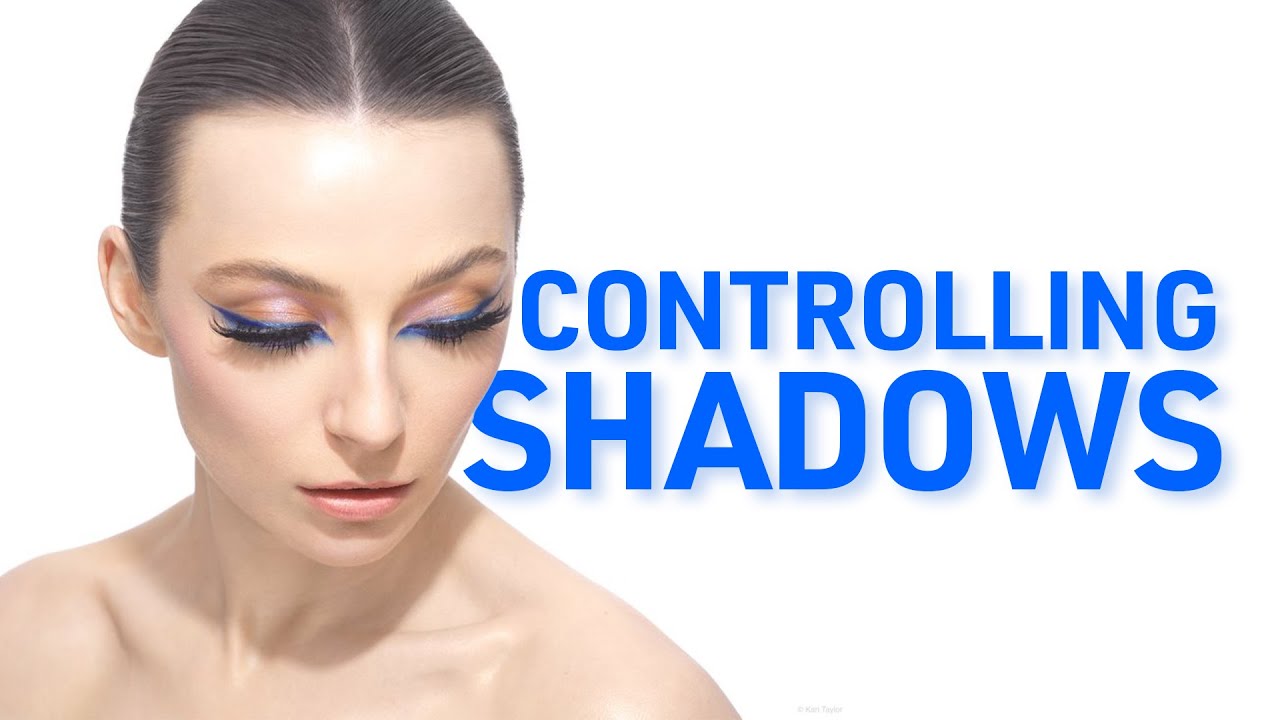
Two Lights, One Setup: How Karl Taylor Builds Airy Beauty Shadows That Don't Go Dark

Two Lights, One Setup: How Karl Taylor Builds Airy Beauty Shadows That Don't Go Dark

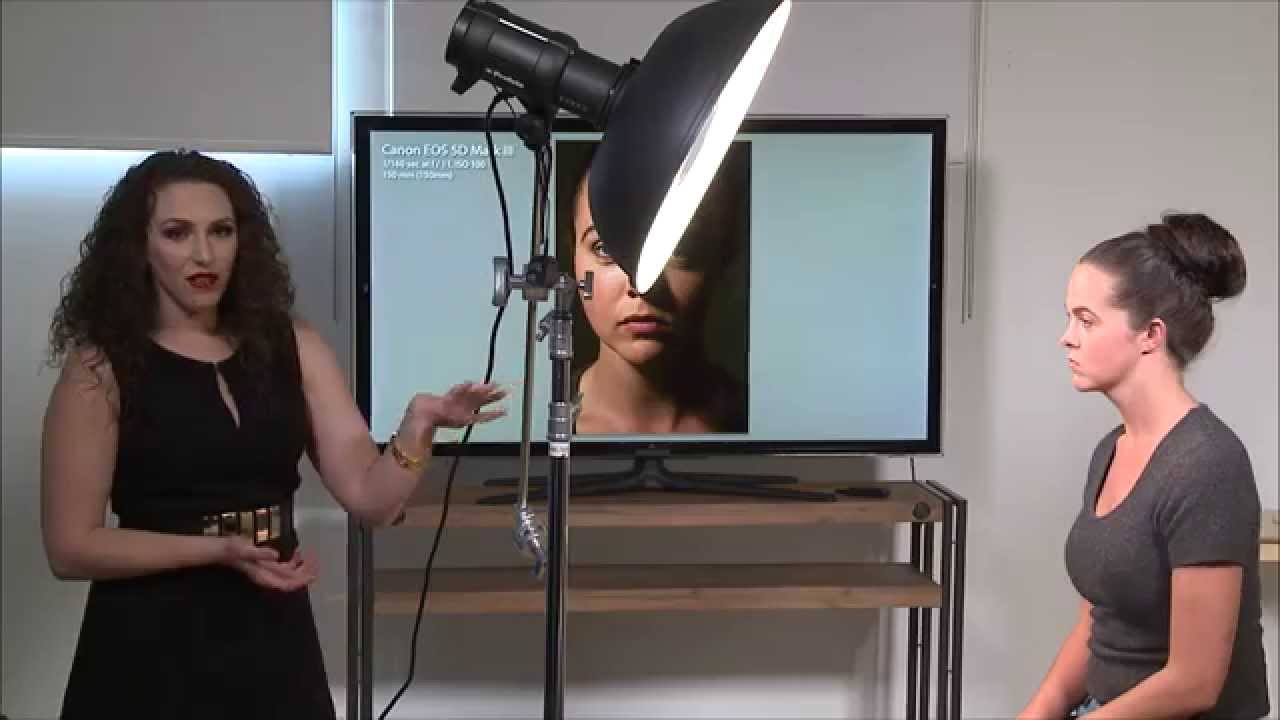
There’s a specific problem I run into constantly when I’m retouching beauty work: the shadows look either completely flat or oppressively dark, and neither one feels right. Flat shadows make skin look two-dimensional, which means I end up doing twice the work in post trying to sculpt cheekbones and collarbones that should have been lit properly on set. Dense black shadows swing to the other extreme, giving the whole image a dramatic, almost harsh energy that doesn’t match the soft, polished aesthetic most beauty clients want.

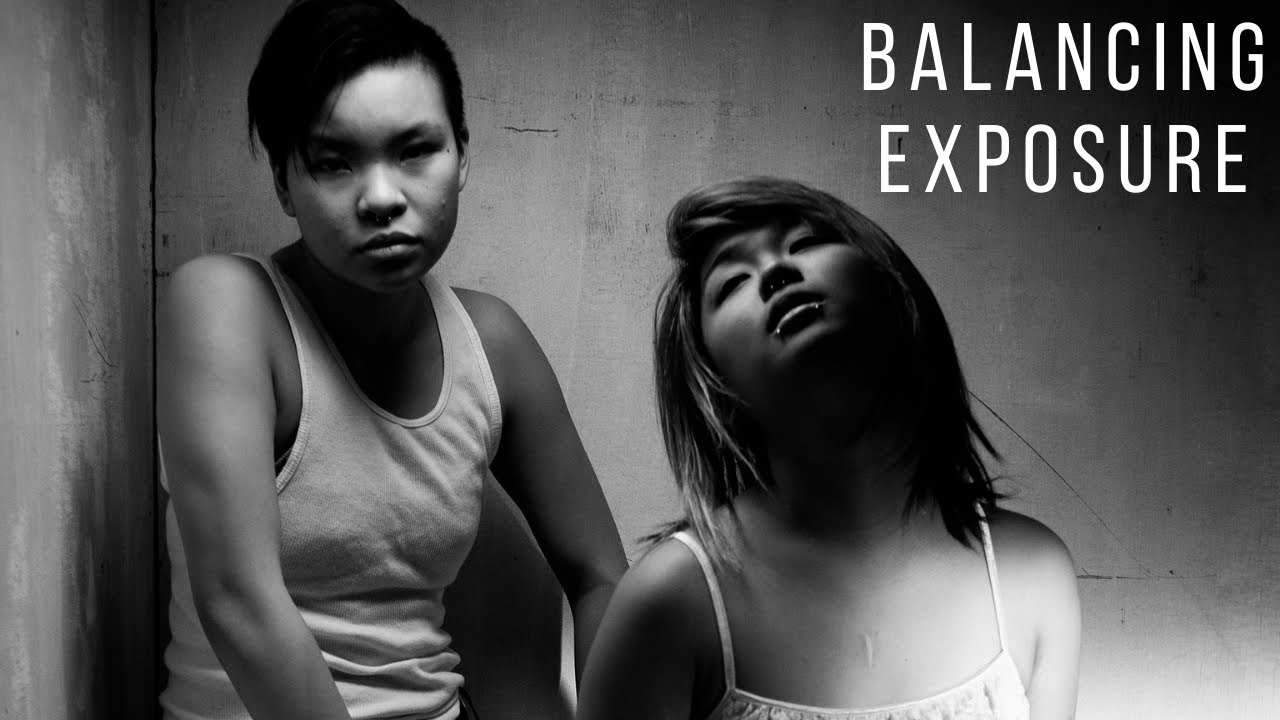
How to Expose and Light Group Portraits When Skin Tones Vary Widely

How to Expose and Light Group Portraits When Skin Tones Vary Widely

Group portraits are one of those assignments that look simple on paper until you’re actually standing there with three people in front of your lens, each with a completely different skin tone, and your camera is doing something odd with the exposure. I’ve been there more times than I’d like to admit. Even after years of shooting weddings and transitioning into beauty work, mixed-skin-tone group shots still require deliberate thinking at every stage, from how you set your light to how you read your meter.

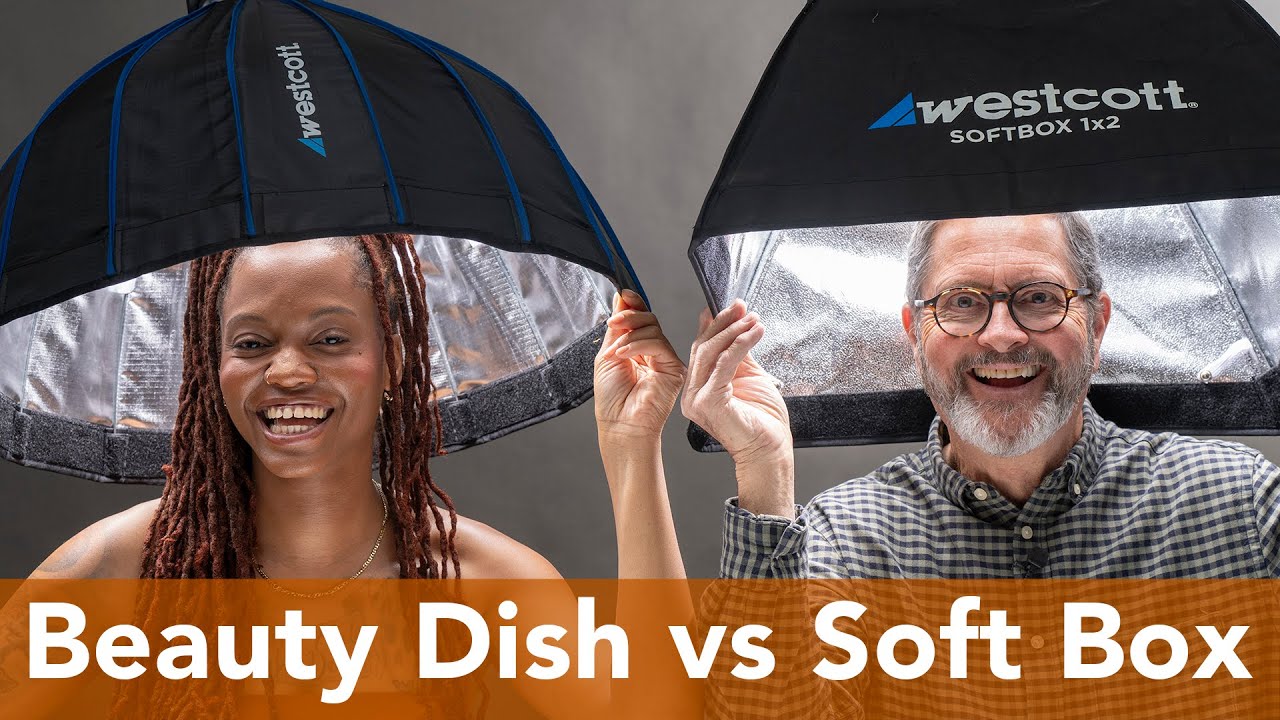
Softbox vs. Beauty Dish for Portraits: What the Light Actually Does to Skin

Softbox vs. Beauty Dish for Portraits: What the Light Actually Does to Skin

When I was still shooting weddings, I treated lighting modifiers like interchangeable parts. A softbox was a softbox. If the light looked roughly even, I moved on. It wasn’t until I started doing beauty work for skincare brands, where every shadow on a cheekbone is a creative decision, that I realized how differently two modifiers of nearly the same size can actually behave on a face. That distinction matters enormously when a retoucher sits down with the image afterward.