The Art of Subtle Beauty Editing: When Less Is More

The Art of Subtle Beauty Editing: When Less Is More

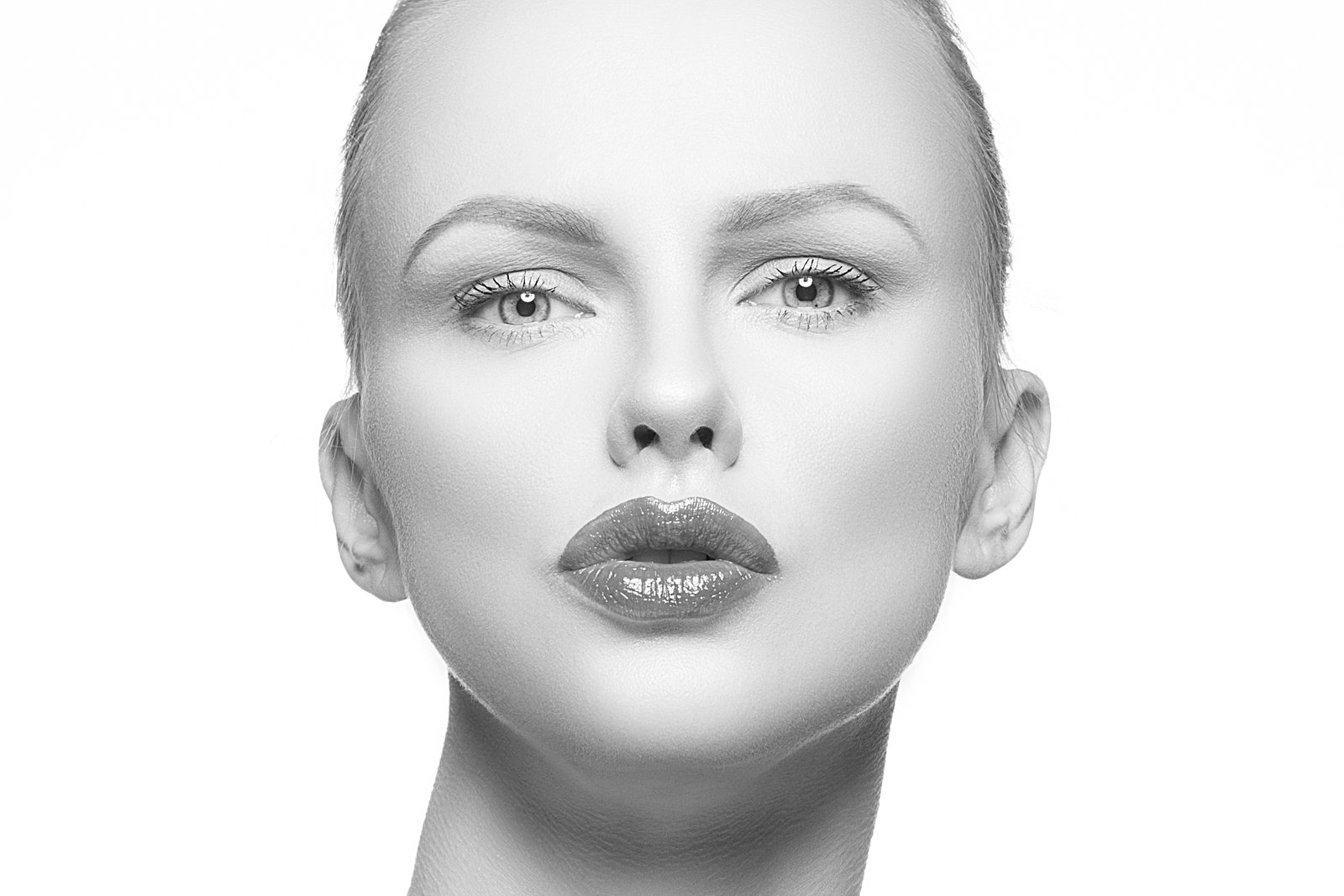
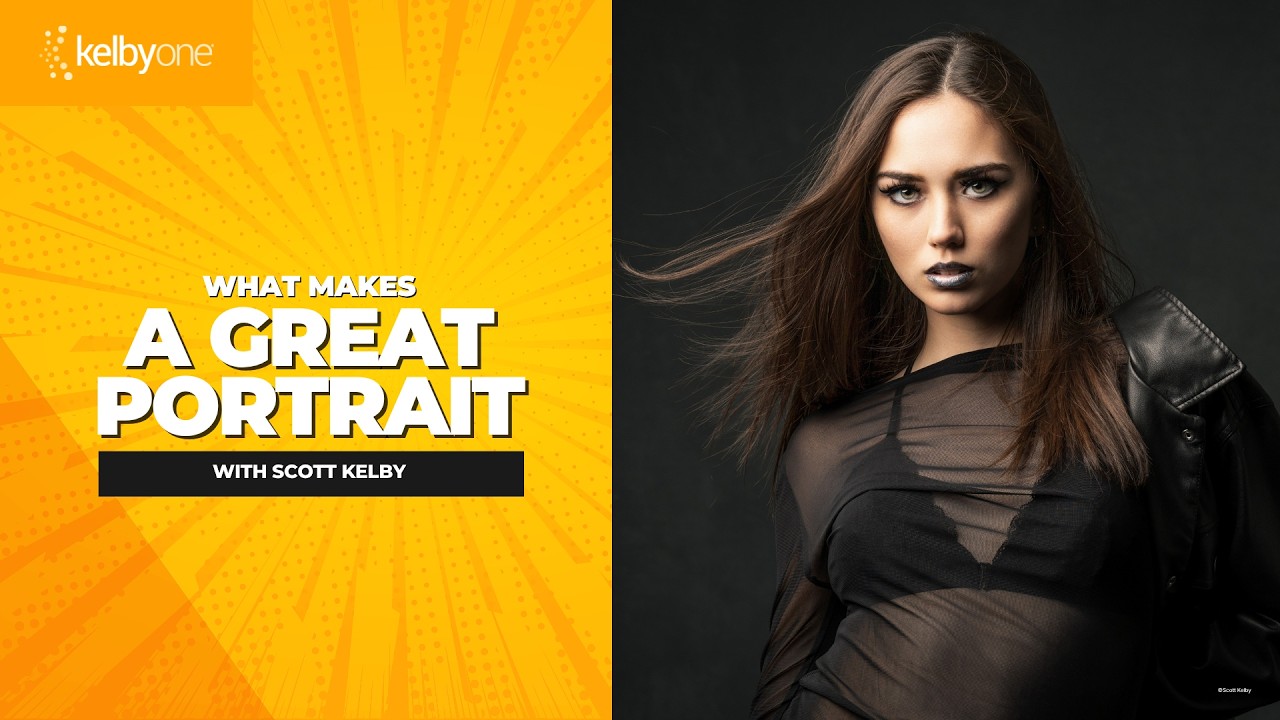
The Art of Subtle Beauty Editing: When Less Is More When I first started portrait retouching, I made the mistake that many editors do: I edited aggressively. I smoothed every pore, brightened every eye, and sculpted every cheekbone until my clients looked like porcelain dolls. The feedback was always the same: “That doesn’t look like me.” That’s when I learned the most important rule of beauty editing: enhancement should be invisible.

The Art of Professional Headshot Editing: A Step-by-Step Guide to Polished Results

The Art of Professional Headshot Editing: A Step-by-Step Guide to Polished Results

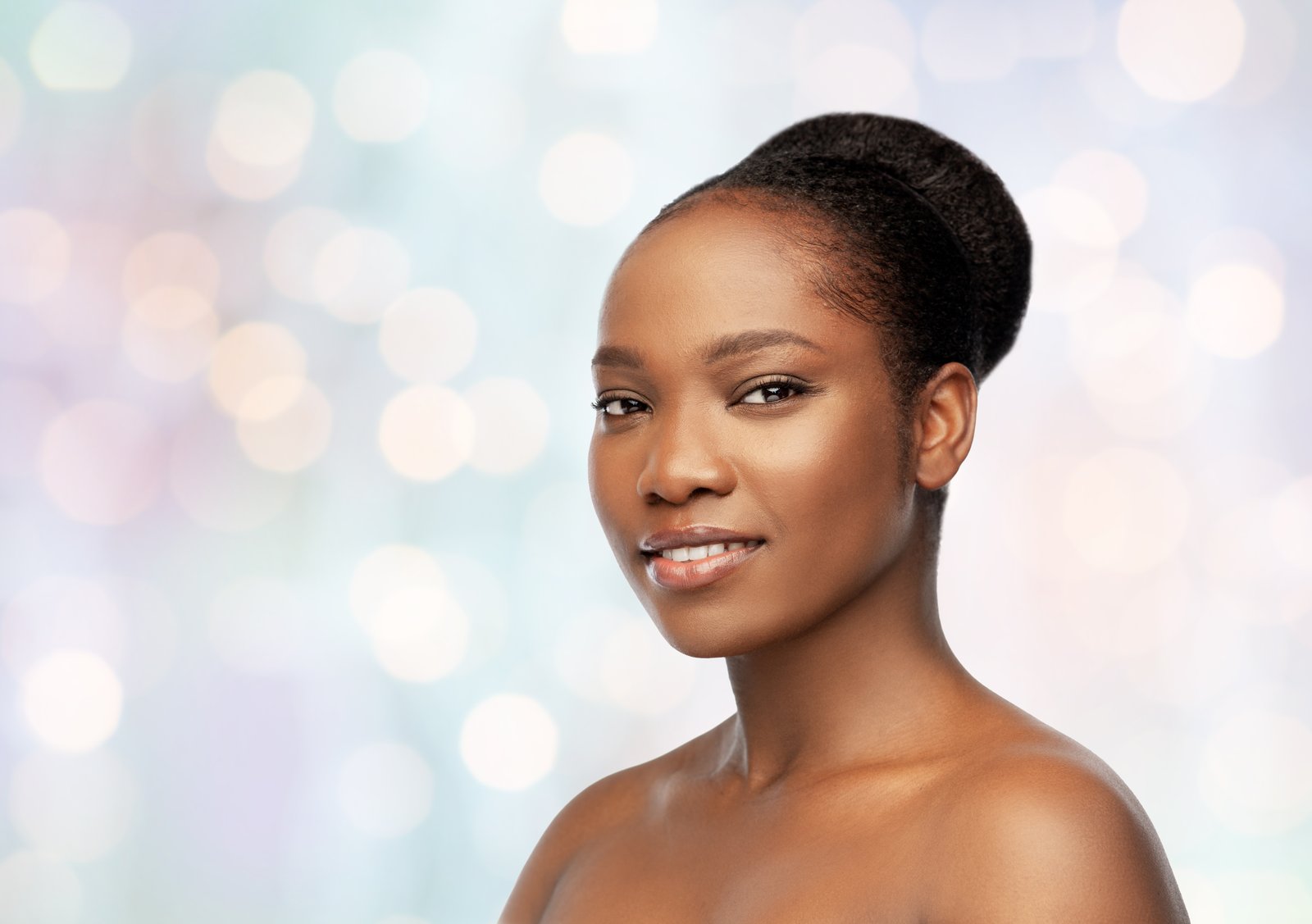
The Art of Professional Headshot Editing: A Step-by-Step Guide to Polished Results I’ve edited thousands of headshots over my career, and I’ve learned that the best ones share a common thread: they look like the person, just the best version of themselves. That’s our goal when we approach headshot retouching—enhancement without transformation. Start With Organization and a Clear Vision Before I open Photoshop or Lightroom, I always take a moment to assess the image.

Medium Format Cameras for Portrait Work: How Your Camera Choice Impacts Your Retouching Workflow

Medium Format Cameras for Portrait Work: How Your Camera Choice Impacts Your Retouching Workflow

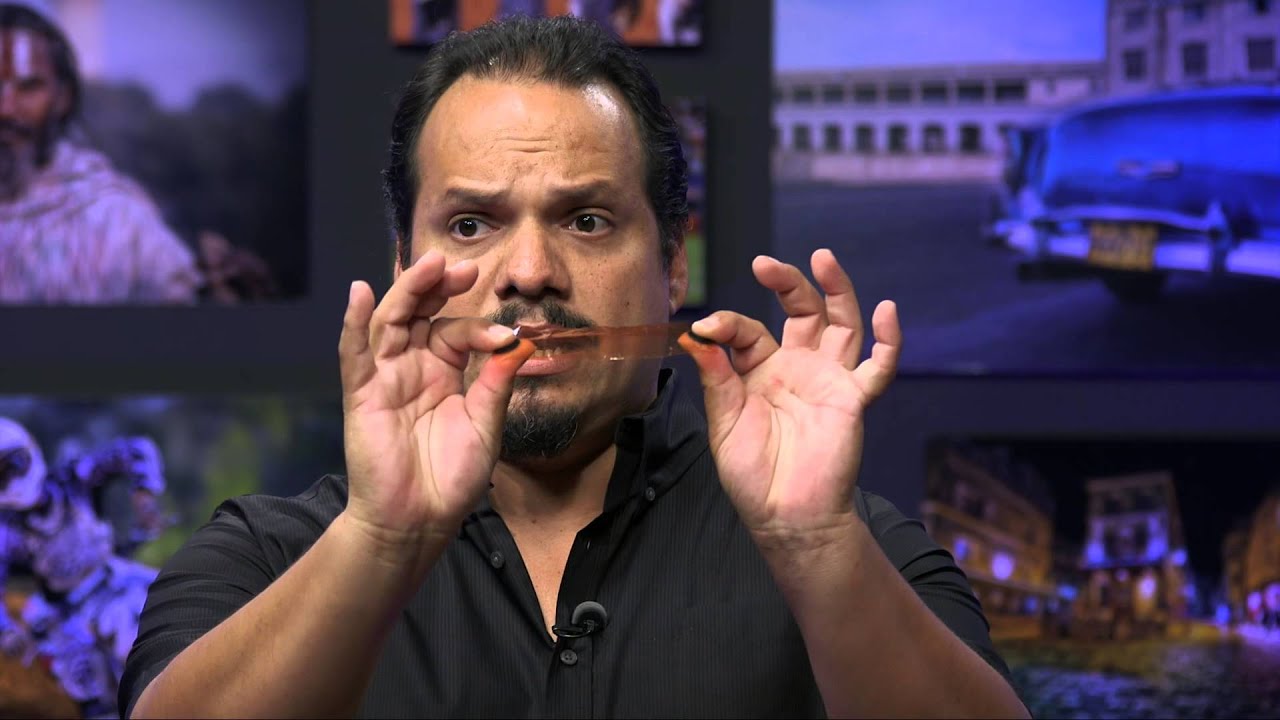
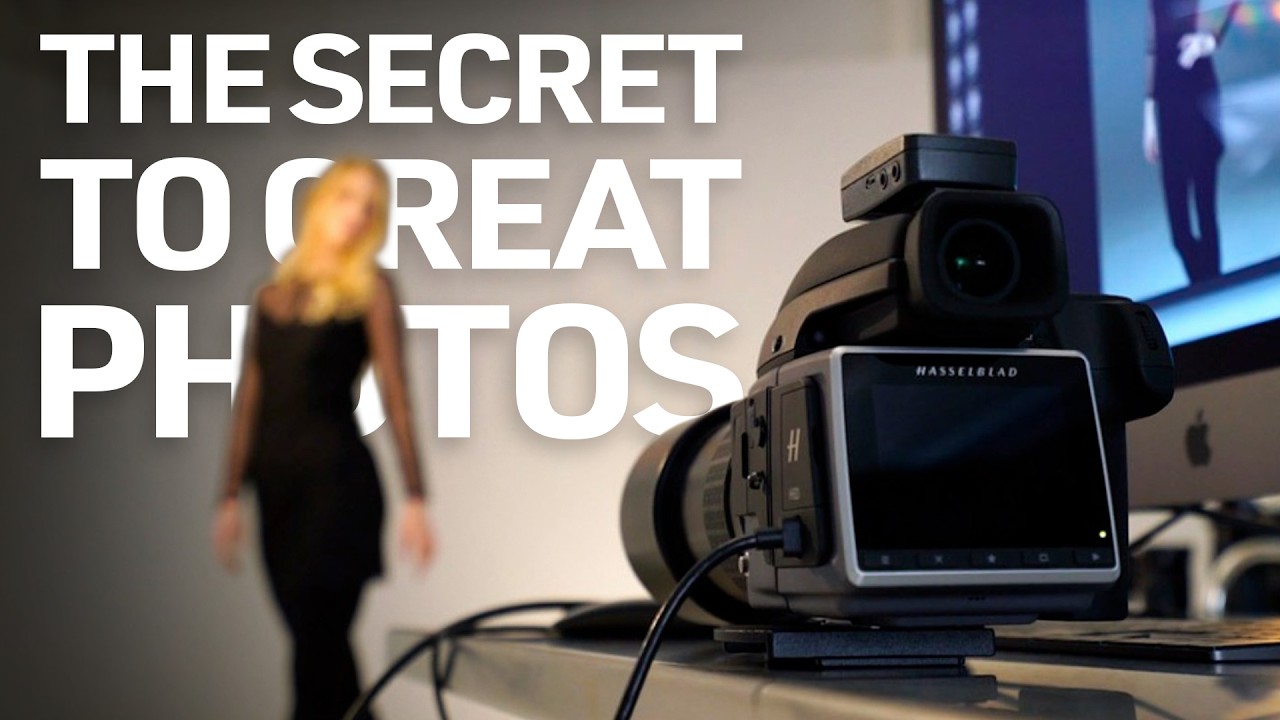
Medium Format Cameras for Portrait Work: How Your Camera Choice Impacts Your Retouching Workflow When we talk about portrait photography, we often focus on lighting, posing, and styling. But here’s something many retouchers don’t discuss enough: your camera system fundamentally shapes how you’ll edit your images later. I recently spent time working with two legendary medium format film cameras, and it fundamentally changed how I think about the relationship between capture and post-production.

The One-Click Problem: Why AI Retouching Is Quietly Eroding Portrait Photography Skills

The One-Click Problem: Why AI Retouching Is Quietly Eroding Portrait Photography Skills

I’ve been retouching portraits for fifteen years, and I’ve watched the profession shift in ways that genuinely concern me. Not because I’m afraid of technology—I use AI tools myself—but because I’m seeing something troubling: photographers who can produce a polished portrait in ninety seconds but couldn’t explain why that portrait looks polished, or how to fix it when something goes wrong. This isn’t about being a purist. It’s about craft. And right now, we’re watching a generation of photographers skip the apprenticeship entirely.

What Tamron's Multi-Mount Strategy Means for Portrait Photographers and Retouchers

What Tamron's Multi-Mount Strategy Means for Portrait Photographers and Retouchers

What Tamron’s Multi-Mount Strategy Means for Portrait Photographers and Retouchers I recently learned about a major shift in how Tamron is approaching lens development and release schedules, and I think it’s worth our attention in the portrait and beauty editing community. As someone deeply invested in how equipment choices impact our final retouching work, I found their strategic direction particularly compelling. Moving Beyond the Sony-First Model For years, we’ve watched the lens market operate with a clear hierarchy: manufacturers would typically launch new glass on Sony’s mirrorless platform first, then gradually roll out versions for Canon, Nikon, and other mounts.

How to Remove Blemishes in Photoshop: A Complete Guide to Flawless Skin Retouching

How to Remove Blemishes in Photoshop: A Complete Guide to Flawless Skin Retouching

How to Remove Blemishes in Photoshop: A Complete Guide to Flawless Skin Retouching When I started my journey in portrait retouching, I quickly realized that learning how to remove blemishes in Photoshop is one of the most valuable skills you can master. Whether you’re editing headshots, beauty photography, or personal portraits, blemish removal is fundamental to creating polished, professional-looking images. Here’s the thing: removing blemishes isn’t about making skin look artificial or plastic.

Game-Changing Tool Alert: The New USB-C Selfie Display That's Revolutionizing Portrait Photography

Game-Changing Tool Alert: The New USB-C Selfie Display That's Revolutionizing Portrait Photography

Game-Changing Tool Alert: The New USB-C Selfie Display That’s Revolutionizing Portrait Photography I’m genuinely excited about what I’ve been seeing in the portrait photography space lately. A new external display has just hit the market, and I think it deserves serious attention from anyone who takes self-portraits or beauty content seriously. What’s New in Portrait Capture Tech The latest innovation we’re watching is a compact 3.5-inch touchscreen that connects directly to your phone via USB-C.

Frequency Separation: The Game-Changing Technique for Flawless Skin

Frequency Separation: The Game-Changing Technique for Flawless Skin

Frequency Separation: The Game-Changing Technique for Flawless Skin When I first learned frequency separation, I felt like I’d unlocked a secret level in portrait retouching. This technique completely transformed how I approach skin editing—and I want to share exactly why it works and how you can master it too. Frequency separation lets us do something that feels almost magical: edit skin texture and skin tone separately. Before I understood this method, I’d spend hours trying to smooth blemishes without losing natural detail, or brightening skin tone without creating that plasticky, over-processed look.