How to Shoot Natural Light Beauty Portraits with a 50mm 1.2 (And Why Your Settings Matter More Than Your Studio)

How to Shoot Natural Light Beauty Portraits with a 50mm 1.2 (And Why Your Settings Matter More Than Your Studio)

Beauty photography has a way of exposing every weak decision you made on set. I learned that early on, back when I was still shooting weddings and occasionally taking on “quick” headshot sessions on the side. If the light was muddy, if the focus landed on the wrong plane, if the angle flattened the face — no amount of time in Photoshop was going to save me. The cleanup always starts with the capture.
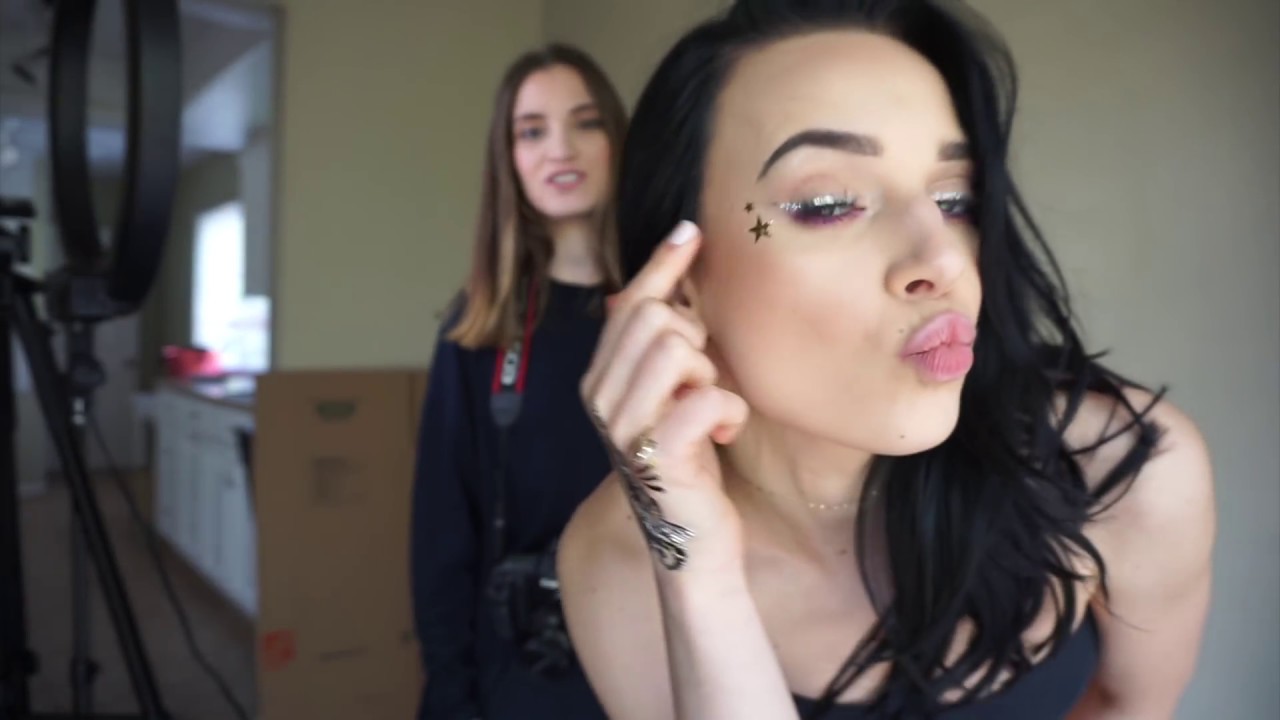
Ring Light Beauty Portraits: What Jessica Kobeissi's Shoot Teaches Us About Light, Lenses, and Letting Go of Perfect Conditions

Ring Light Beauty Portraits: What Jessica Kobeissi's Shoot Teaches Us About Light, Lenses, and Letting Go of Perfect Conditions

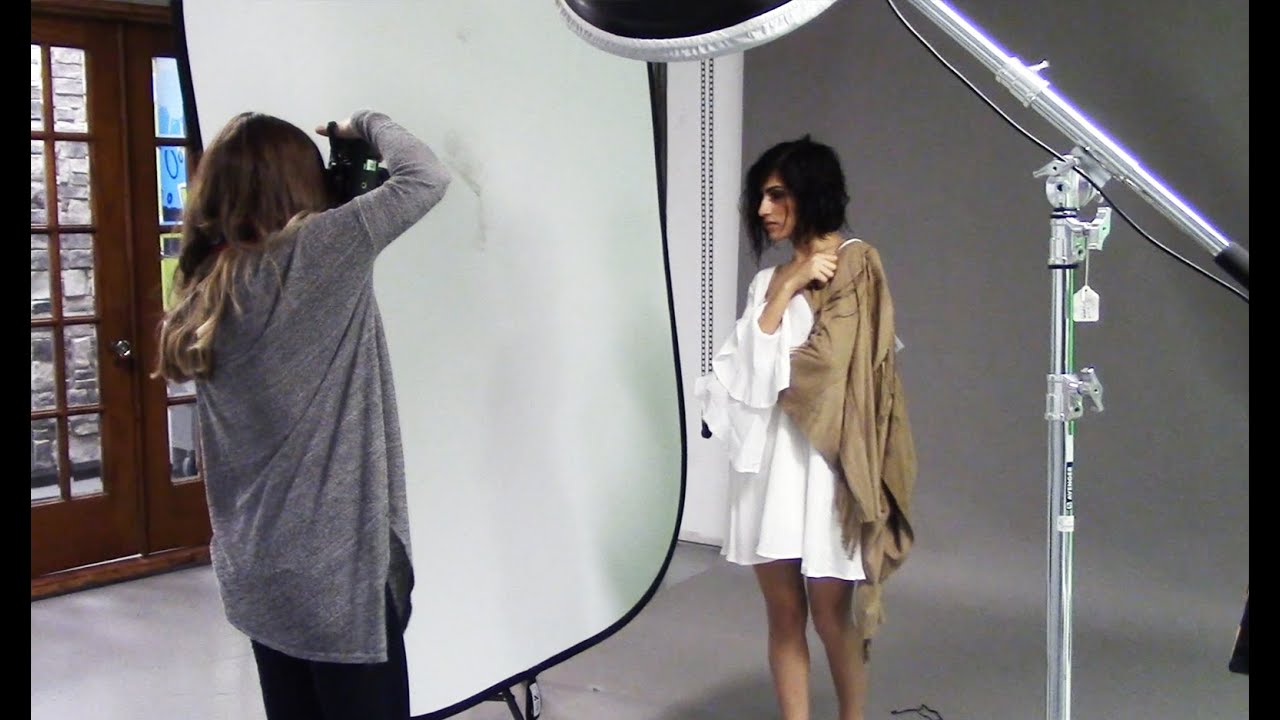
There’s a version of beauty photography that demands a full studio, a rack of modifiers, and an assistant who knows exactly what a “scrim” is. And then there’s the version most of us actually work in: a spare room, a single continuous light source, and a subject who’s ready to shoot right now. I spent years thinking the first version was the only legitimate one. It took watching working photographers like Jessica Kobeissi set up a gorgeous beauty shoot with a single ring light in what looks like a home living room to shake that belief loose.

Beauty Dish vs. Softbox: What Every Portrait Retoucher Needs to Know Before the Shot Is Taken

Beauty Dish vs. Softbox: What Every Portrait Retoucher Needs to Know Before the Shot Is Taken

When I was still shooting weddings, I thought retouching could fix anything. Bad light, flat faces, muddy shadows – I’d just handle it in post. What I learned, slowly and sometimes painfully, is that the light captured in the camera determines how much work lands on my desk afterward. A beautifully lit portrait might need thirty minutes of retouching. A flatly lit one can eat an entire afternoon. That’s why I keep coming back to lighting education even though I’m primarily behind a screen now, not a camera.

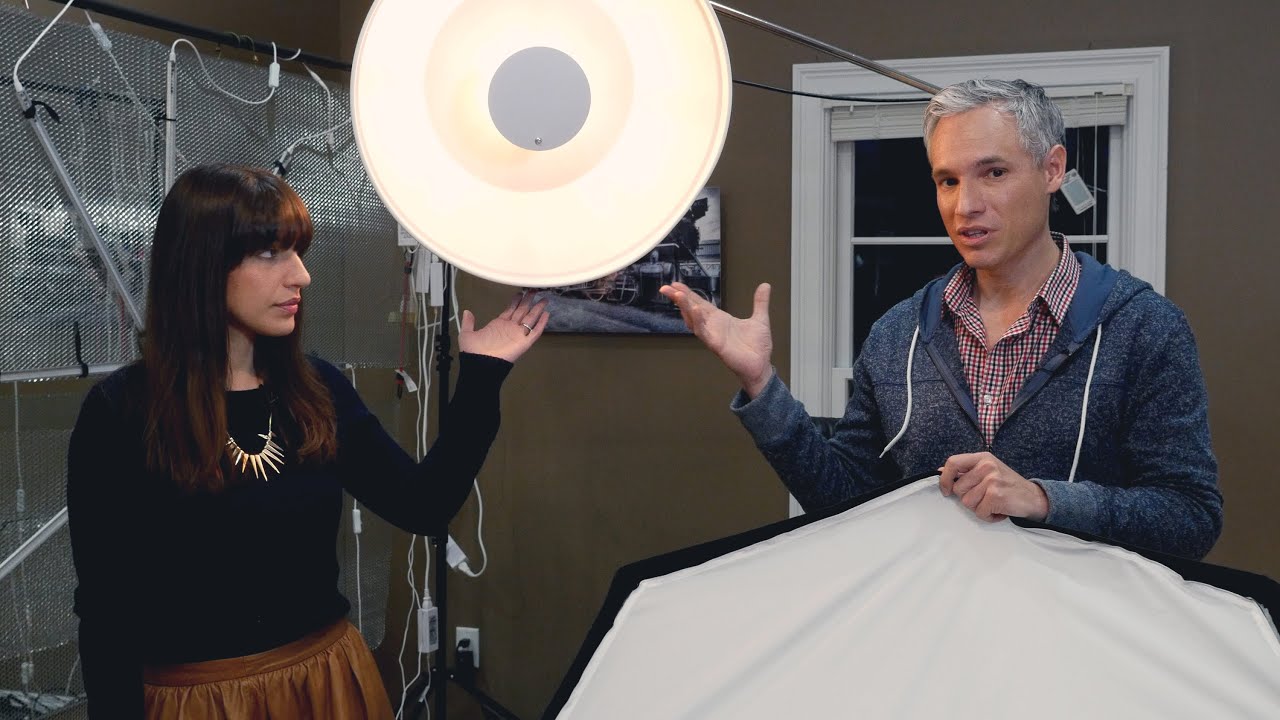
Beauty Dish Lighting for Studio Portraits: What Jessica Kobeissi's Shoot Taught Me About Keeping It Simple

Beauty Dish Lighting for Studio Portraits: What Jessica Kobeissi's Shoot Taught Me About Keeping It Simple

There is a particular kind of exhaustion that comes from overcomplicating a studio setup. I spent years as a wedding photographer hauling cases of gear, and when I finally moved into beauty and portrait work full-time, I assumed more equipment meant better results. It took watching photographers who clearly knew what they were doing with minimal setups to shake that assumption loose. Watch the full tutorial on YouTube before diving in here, or follow along with the breakdown below and come back to the video after.

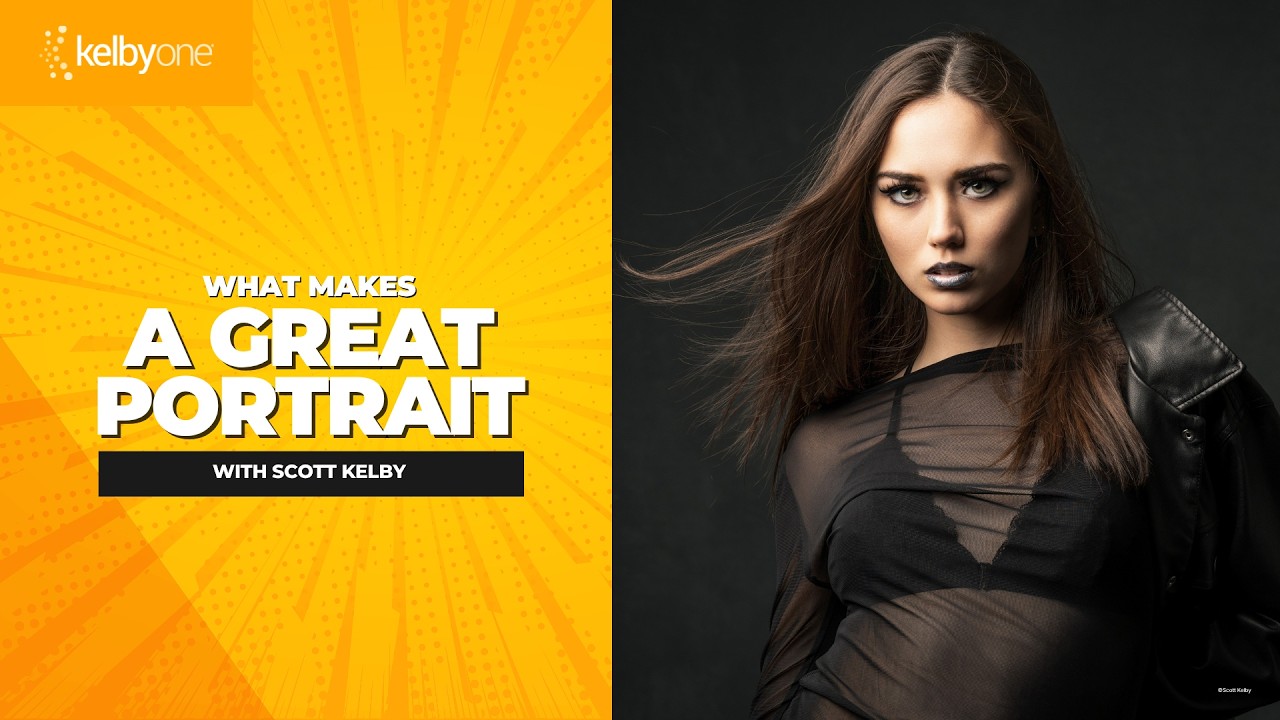
10 Elements That Separate a Forgettable Snapshot from a Portrait People Actually Remember

10 Elements That Separate a Forgettable Snapshot from a Portrait People Actually Remember

There’s a moment early in my retouching career I don’t talk about enough. A client looked at her finished images, paused, and said, “She doesn’t really look like me anymore.” That was the feedback that made me put down my Healing Brush and start thinking differently about what portrait work is actually for. Making someone look great is not the same as making them look different. The gap between those two things is where most of us get lost.

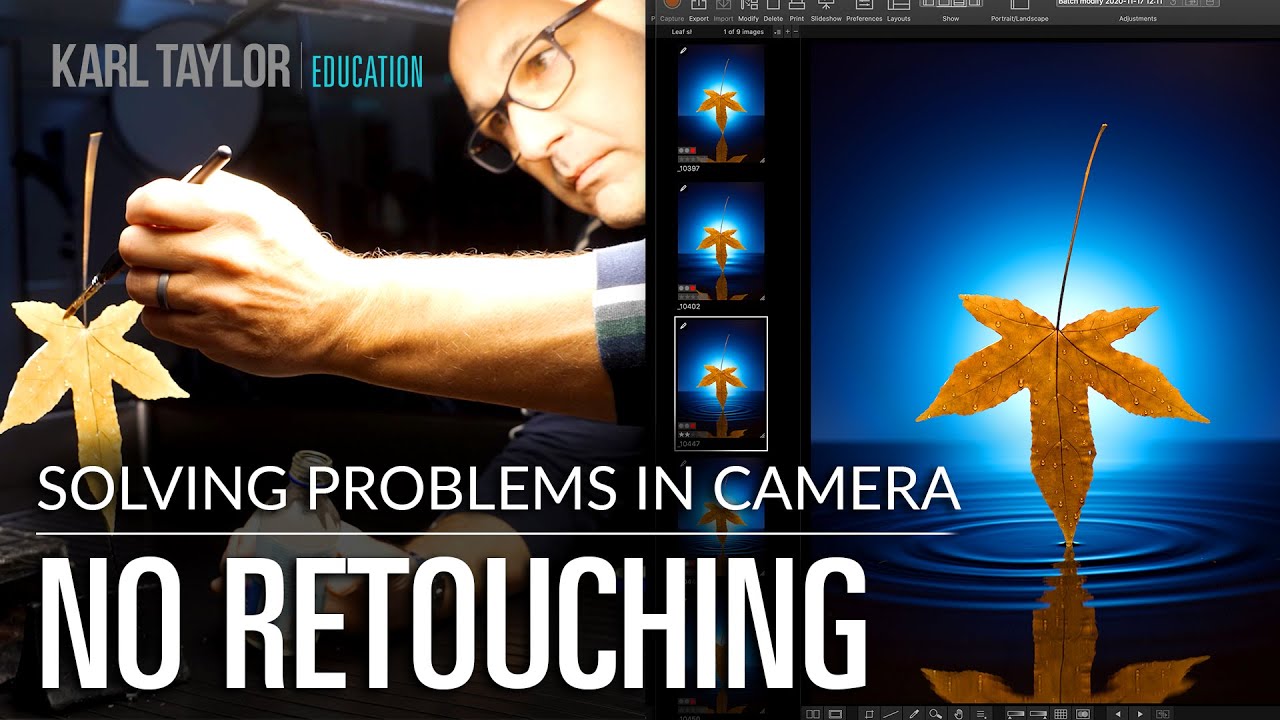
How to Create Stunning In-Camera Effects That Look Like Photoshop (Without Opening Photoshop)

How to Create Stunning In-Camera Effects That Look Like Photoshop (Without Opening Photoshop)

There’s a particular kind of client email I’ve learned to dread. It comes in after the first round of edits, and it says something like: “These look great, but can you make the water look more… real?” That note used to send me straight to Photoshop, layering displacement maps and water texture overlays until two hours had vanished and the result still looked slightly off. What I’ve come to understand, after years of retouching beauty and product work, is that some things genuinely cannot be fixed in post as convincingly as they can be built on set.

Portrait Retouching & Color Editing: A Step-by-Step Breakdown of Jessica Kobeissi's Workflow

Portrait Retouching & Color Editing: A Step-by-Step Breakdown of Jessica Kobeissi's Workflow

There’s a particular kind of client feedback that stays with you. Mine came early in my retouching career, when someone looked at a set of beauty portraits I’d delivered and described the skin as “plastic-looking.” She wasn’t wrong. I’d been over-smoothing, obliterating texture, and chasing a version of perfection that looked nothing like a real human face. That comment sent me down a long road of studying how working professionals actually approach skin and color, and it’s why I keep coming back to tutorials from photographers who shoot beauty and fashion at a high level.

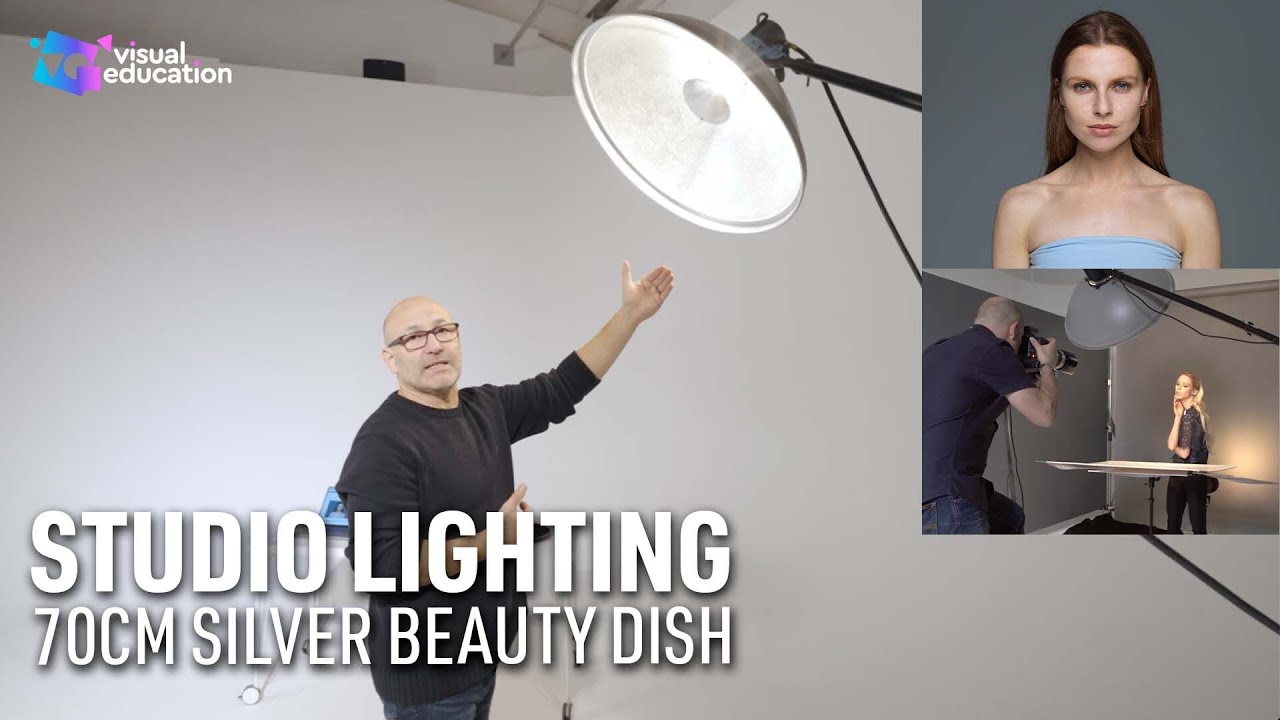
Beauty Dish Lighting for Portrait Photographers: What Makes It Worth Every Penny

Beauty Dish Lighting for Portrait Photographers: What Makes It Worth Every Penny

I’ve spent a lot of time on the retouching side of beauty photography, which means I’ve also spent a lot of time studying the images that arrive in my inbox before I ever open Photoshop. The lighting in those source files tells me everything. A flat, overexposed beauty shot gives me almost nothing to work with. But an image shot with dimensional, sculpted light? That’s where retouching actually gets to shine, because you’re enhancing something that’s already working rather than trying to manufacture structure that was never there to begin with.

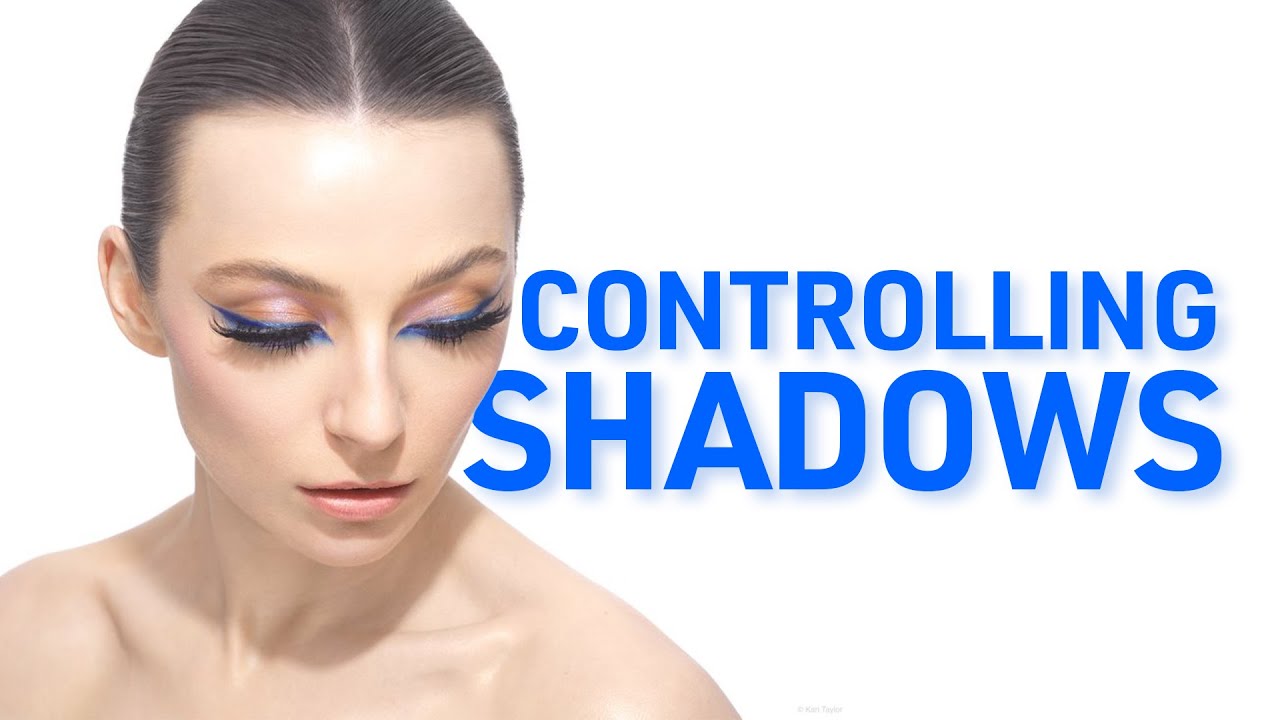
Two Lights, One Setup: How Karl Taylor Builds Airy Beauty Shadows That Don't Go Dark

Two Lights, One Setup: How Karl Taylor Builds Airy Beauty Shadows That Don't Go Dark

There’s a specific problem I run into constantly when I’m retouching beauty work: the shadows look either completely flat or oppressively dark, and neither one feels right. Flat shadows make skin look two-dimensional, which means I end up doing twice the work in post trying to sculpt cheekbones and collarbones that should have been lit properly on set. Dense black shadows swing to the other extreme, giving the whole image a dramatic, almost harsh energy that doesn’t match the soft, polished aesthetic most beauty clients want.

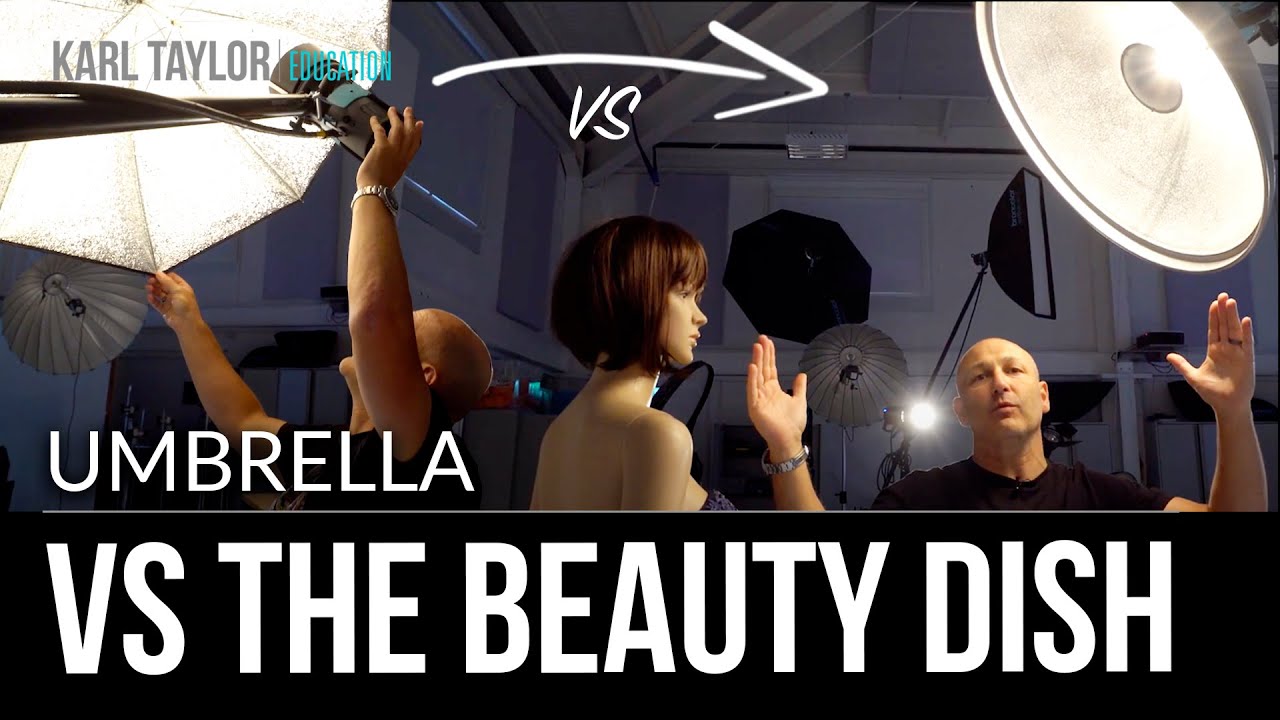
Beauty Dish vs. Umbrella: What Every Retoucher Needs to Understand About Studio Light Quality

Beauty Dish vs. Umbrella: What Every Retoucher Needs to Understand About Studio Light Quality

There’s a moment every retoucher knows well. You open a file, squint at the skin, and realize the problem isn’t texture or tone. It’s the light itself. Shadows landing in the wrong places, catchlights that look chaotic, a general scrappiness to the image that no frequency separation layer is going to fix. I spent years treating lighting as the photographer’s problem and post-processing as mine, and that division cost me hours of unnecessary work.

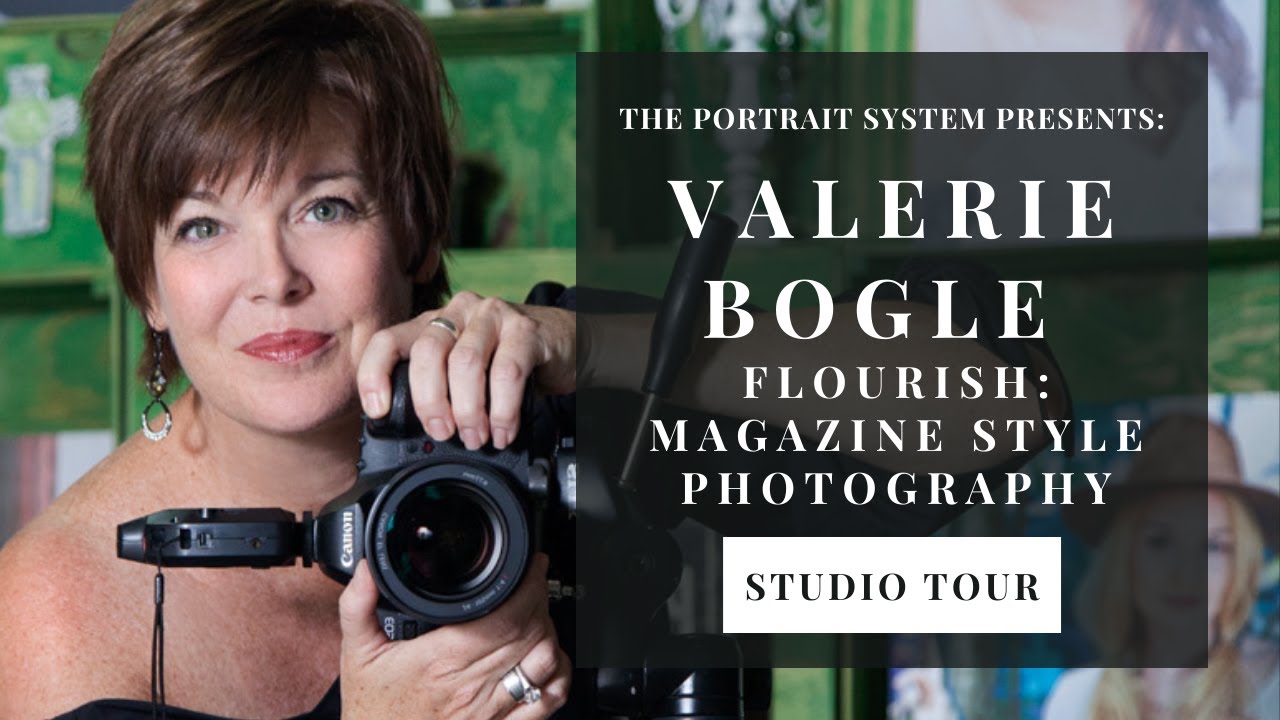
From Art Director to Portrait Photographer: What Valerie Bogle's Studio Setup Teaches Us About Intentional Beauty Work

From Art Director to Portrait Photographer: What Valerie Bogle's Studio Setup Teaches Us About Intentional Beauty Work

There’s a particular kind of client who walks into a beauty shoot convinced the camera will confirm every bad thing she’s ever believed about herself. I’ve worked with enough of them, on the post-processing side at least, to know that what happens before the shutter clicks matters just as much as what happens in Photoshop afterward. That’s why a studio tour like the one Valerie Bogle gives in Watch the full tutorial on YouTube hit me differently than a standard lighting breakdown or gear review.