Dodge and Burn: The Sculpting Technique Every Portrait Retoucher Needs

Dodge and Burn: The Sculpting Technique Every Portrait Retoucher Needs

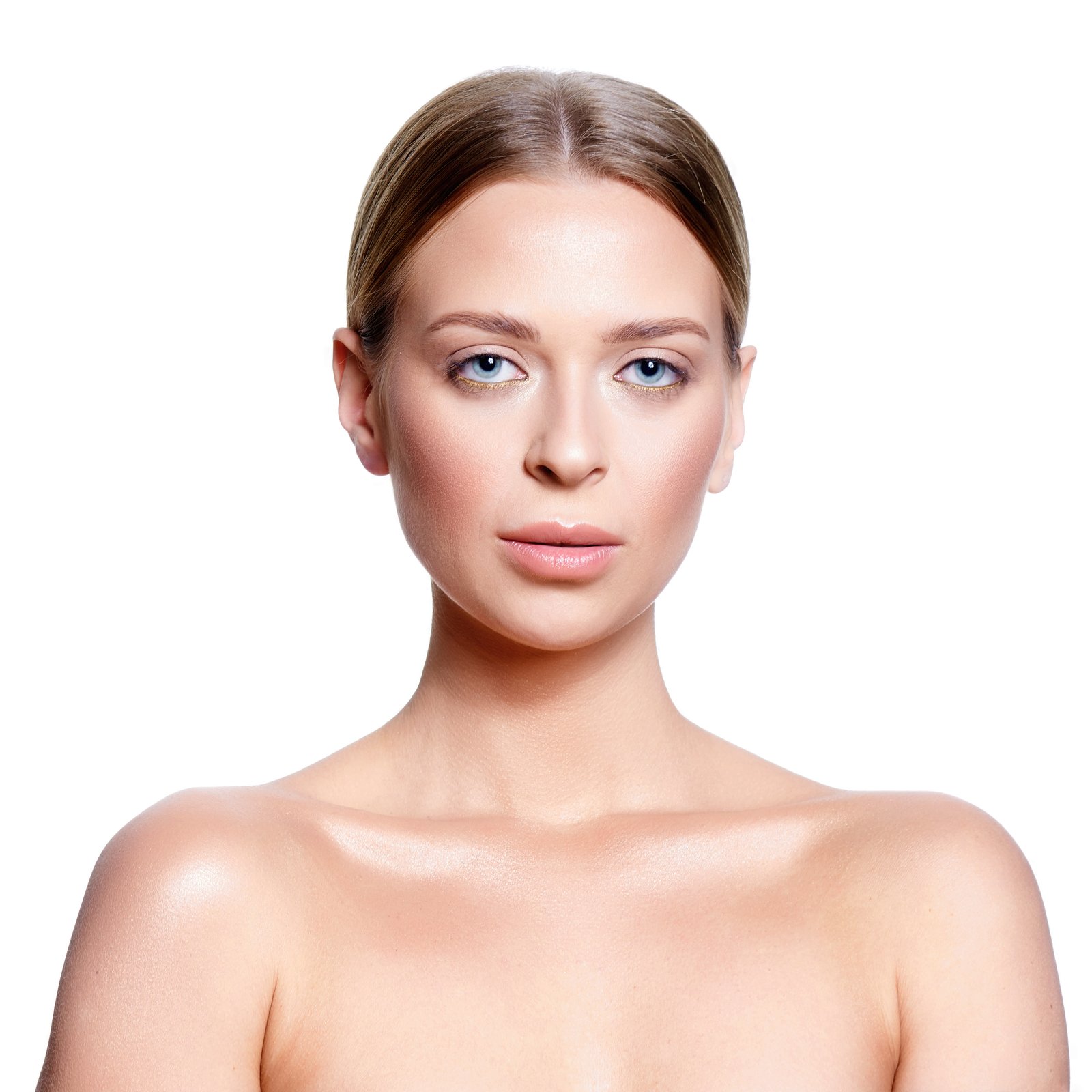
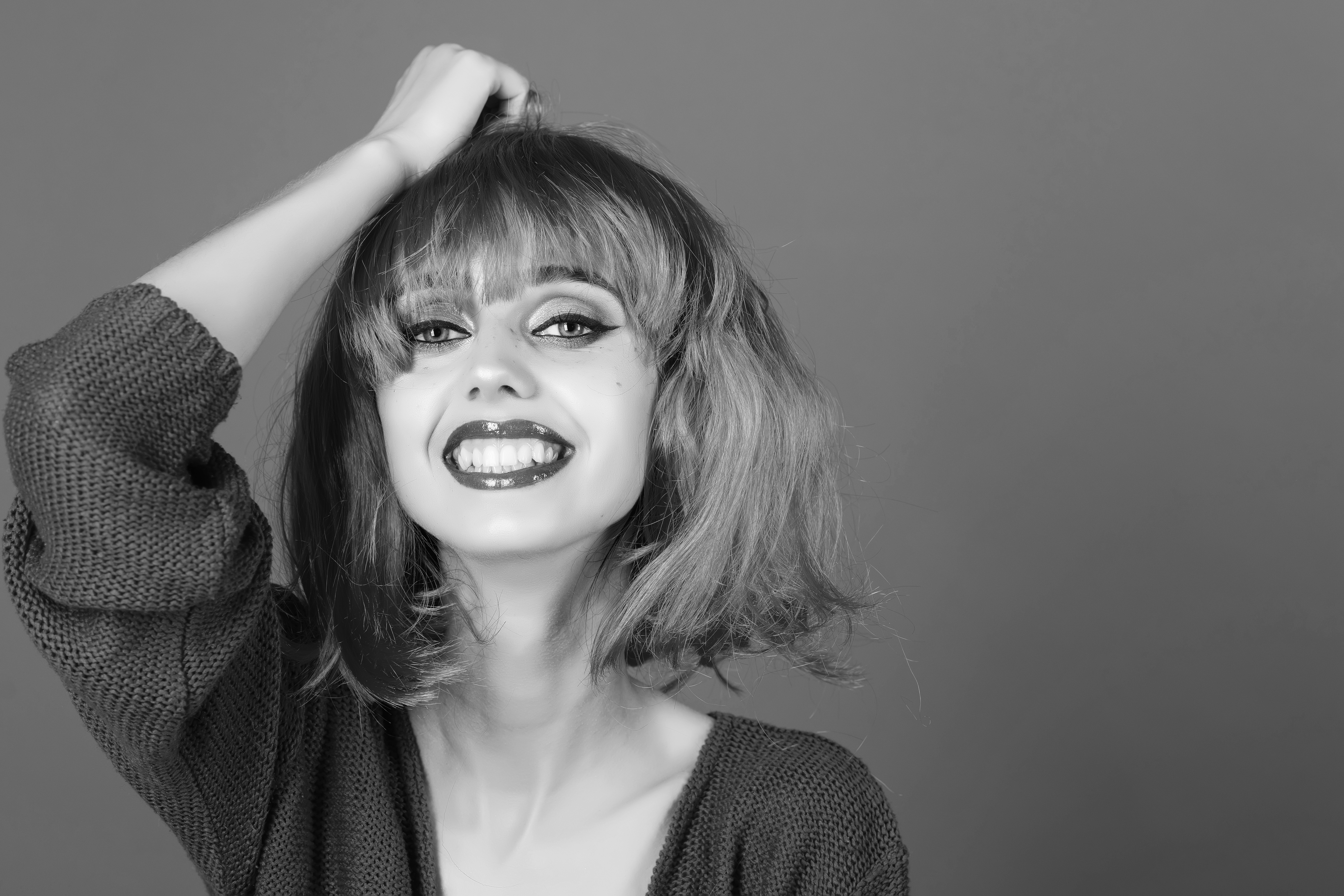
Dodge and Burn: The Sculpting Technique Every Portrait Retoucher Needs When I first learned dodge and burn, everything changed about how I approached portrait retouching. This isn’t just another Photoshop tool—it’s the difference between a flat, processed-looking edit and a photo that looks naturally refined. I’m excited to walk you through this technique because once you master it, you’ll use it on nearly every portrait you touch. What Dodge and Burn Actually Does Let me be direct: dodge and burn is digital sculpting.

Dodge and Burn: The Portrait Retoucher's Secret to Sculpting Light

Dodge and Burn: The Portrait Retoucher's Secret to Sculpting Light

Dodge and Burn: The Portrait Retoucher’s Secret to Sculpting Light When I first learned dodge and burn, I realized I’d been missing one of the most powerful tools in portrait retouching. These techniques—borrowed from the darkroom days of film photography—let us selectively lighten and darken areas of a portrait to sculpt dimension, enhance features, and create that coveted professional polish. I want to walk you through how we can use them effectively without overdoing it.

Dodge and Burn: The Art of Sculpting Light in Portrait Retouching

Dodge and Burn: The Art of Sculpting Light in Portrait Retouching

Dodge and Burn: The Art of Sculpting Light in Portrait Retouching I still remember the first time I truly understood dodge and burn. I was working on a beauty portrait, and no amount of basic adjustments seemed to give the face the dimension it needed. Then it clicked—I wasn’t just editing; I was sculpting light itself. That realization transformed how I approach every portrait that comes across my desk. Dodge and burn is one of the most powerful yet misunderstood tools in our retouching arsenal.

Best Monitors for Photo Retouching in 2026

Best Monitors for Photo Retouching in 2026

Best Monitors for Photo Retouching in 2026 When I’m working on a client’s portrait—smoothing skin tones, adjusting lip color, perfecting the glow in their eyes—I need to trust what I’m seeing on my screen. A bad monitor can make you second-guess every decision. You’ll spend hours chasing color shifts that don’t actually exist, or worse, deliver edits that look completely different on your client’s device. After years of bouncing between budget displays and professional-grade panels, I’ve learned that the right monitor is non-negotiable for portrait retouching.